Ocuflox (Ofloxacin) – Patient Information for Australia
Basic Product Information
| International Non-proprietary Name (INN) | Ofloxacin |
|---|---|
| Australia Brand Names | Ocuflox®, Floxin®, Ofloxa®, and generics |
| ATC Code | S01AE01 |
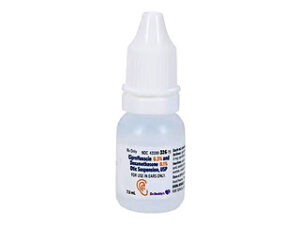
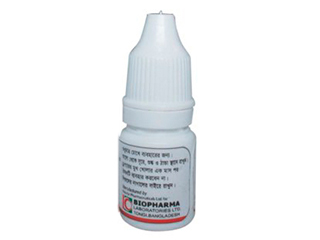
| Available Forms & Strengths | Eye drops: 3 mg/mL (0.3%) Tablets: 200 mg, 400 mg (less common, typically for systemic use) |
| Manufacturers | Alcon Laboratories, Sandoz, Apotex, Teva |
| Prescription Status | Prescription only (Schedule 4 – S4) |
Mechanism of Action
For Patients: Ocuflox contains ofloxacin, an antibiotic that fights bacterial infections by stopping the bacteria from growing and multiplying. It does this by interfering with their genetic material (DNA), which is essential for their survival.
For Health Professionals: Ofloxacin is a fluoroquinolone antibiotic that inhibits bacterial DNA gyrase and topoisomerase IV, enzymes required for DNA replication, transcription, repair, and recombination.
Pharmacokinetics
| Route | Absorption | Metabolism | Elimination | Duration |
|---|---|---|---|---|
| Ophthalmic (eye drops) | Minimal systemic absorption | Predominantly unchanged | Renal (via urine), minor hepatobiliary | Therapeutic concentrations maintain in the conjunctiva/cornea for at least 6 hours after administration |
| Oral (tablets – less common in AU for eye infections) | Good bioavailability (85-95%) | Partially hepatic | Renal (60-80%), some faecal | Plasma half-life: 4–7 hours |
Use in Everyday Life and Best Practices
Ocuflox eye drops are commonly prescribed in Australia to treat bacterial eye infections, including conjunctivitis (“pink eye”) and corneal ulcers. Use the medicine exactly as your doctor or pharmacist instructs. In most cases:
- Wash hands thoroughly before and after use.
- Gently tilt your head back and pull down your lower eyelid to create a small pocket.
- Instil one drop into the affected eye(s) as directed; do not let the dropper touch your eye or any surface.
- Keep your eyes closed for a minute or two; avoid rubbing.
- Do not wear contact lenses during treatment unless your doctor approves.
- Complete the course of treatment even if symptoms improve.
Adult Dose (Common): 1–2 drops into the affected eye(s) every 2–4 hours for the first 2 days, then reduce to every 4–6 hours as infection improves (duration varies by condition, typically 7–10 days).
Pediatric & Elderly Use: Safe when used as prescribed; dosing adjustments are rarely necessary but should follow the prescriber’s directions.
Dosing in the Morning vs Evening
- It is not strictly necessary to take Ocuflox only in the morning or evening; best practice is to maintain even intervals between doses.
- Morning application may be helpful for those with morning symptoms or if coordinating with other routine eye medications.
- Evening use is acceptable, especially before bedtime, but ensure you remain awake for several minutes post-instillation to prevent leakage/wastage.
- The most important aspect is consistency: try to apply doses at the same times each day.
- If you miss a dose, apply it as soon as you remember. If it’s almost time for your next dose, skip the missed one — do not double up.
Tip: Setting a reminder or using a daily medicine log can help you maintain regularity.
Taking with Food or on an Empty Stomach
- Eye Drops: Food does not affect absorption for ophthalmic Ocuflox — you may use the drops with or without meals.
- Oral Tablets: Should preferably be taken on an empty stomach; dairy products (e.g., milk, cheese, yoghurt, a common part of the English diet) may reduce absorption if taken together.
- When used topically, no dietary adjustments are needed.
Interaction Warnings
| Type | Interaction | Advice |
|---|---|---|
| Alcohol | No known interaction with Ocuflox eye drops. For oral forms, alcohol may worsen side effects (e.g., dizziness). | Avoid excessive alcohol; do not drive/operate vehicles if unwell. |
| Other Eye Drops | Possible interactions if multiple antibiotics/sterile drops used | Wait at least 5 minutes between applications if using more than one eye medication. |
| Contact Lenses | May react with preservatives in drops | Avoid use of lenses during treatment unless otherwise advised. |
| Oral Medications | Some systemic antibiotics, anti-inflammatories, or anticoagulants | Always inform your doctor of all medicines you take. |
| Dairy Products (if using oral form) | May reduce oral ofloxacin absorption | Take tablets 2 hours before or after dairy intake. |
Indications
| Indication | Status | Details |
|---|---|---|
| Bacterial conjunctivitis | Approved | Most frequently prescribed indication |
| Bacterial corneal ulcers | Approved | Serious infections, often require intensive dosing |
| Blepharitis (eyelid infection) | Used off-label | At clinician’s discretion |
| Ocular surgery prophylaxis | Occasional off-label | Prevention of infection before/after eye surgery |
Dosing According to Clinical Indications
| Indication | Adults | Children (1+ years) | Elderly |
|---|---|---|---|
| Bacterial conjunctivitis | 1–2 drops every 2–4 hrs (first 2 days), then 4–6 hrs for 5–7 days | Same as adults | Same as adults |
| Corneal ulcers | 1–2 drops every 30 mins (day), every 4 hrs (night) for 2 days, then hourly for up to 1 week | Use with caution; specialist advice recommended | Same as adults, adjust for renal function if systemic use |
| Blepharitis (off-label) | 1–2 drops 4x daily for up to 2 weeks | Same as adults | Same as adults |
Safety Profile / Side Effects
- Most common: Temporary stinging or burning, blurred vision, eye discomfort. Usually mild and self-limiting.
- Less common: Redness, dryness, itching, foreign body sensation, watery eyes.
- Rare, serious: Allergic reactions, eye swelling, severe eye pain, rash, photophobia (light sensitivity). Seek urgent medical advice if these occur.
- Warnings: Not suitable for viral or fungal eye infections. Not for use in children under 1 year without specialist advice. Use with caution in pregnancy and breastfeeding (doctor’s decision).
Guidelines for Proper Use (Australia)
- Only use Ocuflox when prescribed by your GP, optometrist, or ophthalmologist.
- Do not share your drops with others.
- Store at room temperature (below 25°C), away from direct sunlight.
- Once opened, discard unused drops after 28 days to prevent contamination.
- Do not use outdated or discoloured solutions.
- If symptoms do not improve in 3–5 days, or worsen, seek further medical advice.
- If travelling, carry your prescription and keep drops in your hand luggage, especially on domestic/international flights into/out of Australia.
Alternative Treatment Options
- Chloramphenicol (Chlorsig®): First-line for conjunctivitis; widely available and often less expensive. May cause rare but serious aplastic anaemia.
- Fusidic Acid (Fucithalmic®): Good for mild-moderate bacterial conjunctivitis; less frequent dosing, safe in pregnancy.
- Tobramycin / Gentamicin Eye Drops: Effective for more resistant infections or when other antibiotics fail; more likely to cause local irritation.
- Erythromycin (Erythrocin®) ointment: For children, those allergic to other agents, or where ointment base is preferred (blurs vision temporarily).
These alternatives may be subsidised by the Pharmaceutical Benefits Scheme (PBS) in various circumstances. Your healthcare provider will recommend the most suitable option based on infection, age, allergies, previous response, and costs.
Legal, Registration, and Reimbursement Status in Australia
- Regulatory Body: Therapeutic Goods Administration (TGA), Australia
- Legal Status: Prescription only (S4). Not available as an over-the-counter medicine.
- Reimbursement: Eye drops may be subsidised under the PBS for approved indications (PBS Code: 8089J – various brands)
- Australian Product Registration (AUST R) numbers and PBS eligibility can be checked at the official TGA and PBS websites.
Latest Research / Clinical Guidance (2022–2025)
- Australian and international guidelines (RANZCO, NICE 2024) continue to support fluoroquinolone eye drops, including ofloxacin, as safe and effective for severe or resistant bacterial eye infections.
- Ofloxacin is considered low risk of resistance with short-term topical use, but close monitoring is recommended, particularly with prolonged therapy (Wright, G.D. “Current trends in antibiotic resistance: 2023 update.” Aust Prescr. 2023).
- Recent studies indicate minimal systemic absorption and extremely low risk of systemic side effects from brief ocular courses.
- See: “Clinical use of topical antibiotics in Australia: 2022 review.” Med J Aust. 2022; and “Guidelines for the management of acute bacterial conjunctivitis, 2024 update,” available through RANZCO.
Availability and Delivery
| Pack size | Typical price (AUD) | Availability | Standard delivery (business days) |
|---|---|---|---|
| 5 mL bottle | $14–$19 | Most Australian community pharmacies, hospital dispensing | Melbourne: 1–2 days; Sydney: 1–2 days; Brisbane: 2–3 days; Perth: 3–4 days; Adelaide: 1–2 days; Hobart: 2–3 days; Darwin: 3–5 days |
| 10 mL bottle | $22–$27 | Orderable, less commonly carried | Same as above |
Frequently Asked Questions (FAQ)
- Can I use Ocuflox if I wear contact lenses?
It is recommended to avoid wearing contact lenses during treatment with Ocuflox due to possible irritation and risk of worsening infection. Wait at least 24–48 hours after stopping treatment before resuming lenses, or as advised by your doctor. - How long will it take for my symptoms to improve?
Most patients notice symptom relief within 24–72 hours. Continue the full course as prescribed, even if your eyes feel better. If you see no improvement in 3–5 days, consult your healthcare provider. - What should I do if I miss a dose?
Use the missed dose as soon as you remember, unless it is almost time for your next scheduled dose. Do not use a double dose to catch up. - Are there risks if I accidentally put in too many drops?
Accidental overuse may cause increased irritation, stinging, or excessive tearing, but is unlikely to cause harm. If large amounts or the bottle are ingested, seek immediate medical attention. - Can Ocuflox be used during pregnancy or breastfeeding?
Use only if clearly needed and as directed by your doctor. Studies show minimal absorption from the eye, but safety in pregnancy/breastfeeding is not fully established. Discuss risks and benefits with your GP or midwife.