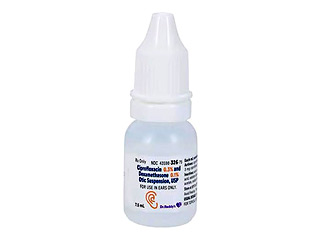
Ciprodex (Ciprofloxacin/Dexamethasone) Ear Drops: Patient Information for Australia
Basic Product Information
| International Non-proprietary Name (INN) | Ciprofloxacin/Dexamethasone |
|---|---|
| Australia Brand Names | Ciprodex®, Ciproxin HC® (may include other generics) |
| Anatomical Therapeutic Chemical (ATC) Code | S02CA06 |
| Available Forms and Strengths | Ear drops suspension: Ciprofloxacin 3 mg/mL, Dexamethasone 1 mg/mL |
| Manufacturers | Alcon Laboratories (Australia) Pty Ltd; generic manufacturers possible |
| Prescription Status | Prescription Only Medicine (Schedule 4: S4) |
Mechanism of Action
For Patients: Ciprodex is a prescription ear drop medicine combining two active ingredients: ciprofloxacin (an antibiotic) and dexamethasone (a steroid anti-inflammatory). Ciprofloxacin fights bacteria that cause ear infections, while dexamethasone helps to reduce pain, swelling, and inflammation.
For Specialists: Ciprofloxacin is a fluoroquinolone antibiotic inhibiting bacterial DNA gyrase and topoisomerase IV, disrupting DNA replication in gram-negative and some gram-positive otopathogens. Dexamethasone is a synthetic corticosteroid with anti-inflammatory actions, reducing cytokine release and local tissue reaction.
Pharmacokinetics
- Absorption: After otic administration, systemic absorption is minimal. Plasma concentrations are typically below detectable limits, reducing systemic side effect risk.
- Metabolism: If any absorption occurs, ciprofloxacin is partially metabolised in the liver; dexamethasone undergoes hepatic metabolism.
- Elimination: Excreted mainly via renal route for ciprofloxacin, and bile for dexamethasone; however, clinical relevance is negligible due to low absorption.
- Duration of Action: Local therapeutic effect lasts for several hours; dosing is typically twice daily for both children and adults.
Use in Everyday Life and Best Practices
Ciprodex ear drops are used to treat bacterial middle ear infections (otitis media) and outer ear infections (otitis externa, or "swimmer’s ear") in both adults and children aged 6 months or older. Always use this medicine exactly as your doctor or pharmacist tells you, and never share with others.
- Wash hands before and after use.
- Warm the bottle in your hand for 1–2 minutes (cold drops can cause discomfort).
- Lie on your side with the affected ear up.
- Gently pull the earlobe to straighten the ear canal (up and back for adults, down and back for children).
- Drop the correct dose into the ear canal without touching the dropper to the ear.
- Stay in position for 1–2 minutes, or follow your doctor’s advice.
- Wipe away excess liquid and recap tightly.
Do not: Insert objects (including cotton buds or hearing aids) until your doctor says it is safe. Do not use in the eye. Never swallow.
Dosing in the Morning vs Evening
Ciprodex is usually prescribed as 4 drops into the affected ear(s) twice daily (morning and evening). It’s important to space doses evenly (about 12 hours apart) for consistent therapeutic effect.
- Morning dosing: Ensures coverage during the day; easier for children before school or adults before work.
- Evening dosing: Covers symptoms overnight; regular timing helps build routine for families.
- Tips: Set phone reminders. Aim for regular intervals—avoid missing doses or doubling up. Use after showering/swimming when possible, but dry the ear canal gently before application.
Taking with Food or on an Empty Stomach
Since Ciprodex is applied directly to the ear, food intake does not affect its action. There are no dietary restrictions associated with ear drop use—eat and drink as normal on an English diet. However, avoid getting the dropper into contact with food or hands to reduce contamination risk.
Interaction Warnings
Systemic drug interactions are uncommon due to low absorption. However, always tell your pharmacist and doctor about other medicines you use (including ear drops and herbal remedies).
| Item | Interaction | Clinical Recommendation |
|---|---|---|
| Other otic antibiotics | May increase risk of side effects or resistance | Use as directed; do not mix products unless advised |
| Ear wax softeners | May dilute medicine or alter effectiveness | Use wax drops at least 30 min apart, if prescribed together |
| Systemic corticosteroids | Possible additive effects; minimal relevance | Monitor if on long-term oral steroids |
| Alcohol | No known interaction via otic use | Safe in moderation; follow medical advice post-op |
| Other ear preparations (antifungal, antiviral) | Irritation or decreased effect possible | Avoid concurrent use unless instructed |
Indications
| Indication | Official (TGA) | Off-label |
|---|---|---|
| Acute otitis media with tympanostomy tubes | Yes | No |
| Acute otitis externa ("swimmer’s ear") | Yes | No |
| Chronic suppurative otitis media | No | Yes, with specialist guidance |
| Post-surgical ear infection | No | Occasionally, per ENT instruction |
Dosing According to Clinical Indication
| Patient Group | Indication | Typical Dose | Duration |
|---|---|---|---|
| Adults | Acute otitis externa/otitis media | 4 drops in affected ear(s) BID | 7 days, review if no response |
| Children ≥6 months | Acute otitis externa/otitis media | 4 drops in affected ear(s) BID | 7–10 days, as directed |
| Elderly | Same as adults | 4 drops in affected ear(s) BID | 7–10 days |
Note: If symptoms persist after a full course, consult your GP or ENT specialist.
Safety Profile and Side Effects
Side effects are generally mild and localised. Report any persistent or severe reactions to your healthcare provider.
| Type | Frequency | Examples | Advice |
|---|---|---|---|
| Common | 1–10% | Ear discomfort, itching, mild burning, taste disturbance (if the eardrum is perforated) | Usually mild and temporary; continue use unless severe |
| Uncommon | <1% | Ear congestion, headache, skin rash around the ear | If persistent or worsening, contact doctor |
| Rare | <0.1% | Allergic reaction (redness, swelling, pain), secondary fungal infection | Stop use and seek medical help immediately |
| Warnings | - | Prolonged use may risk resistant infection or fungal overgrowth | Use only as prescribed; never exceed duration |
Guidelines for Proper Use: Australia Context
- Only use Ciprodex in the ear. Never use in the eye or by mouth.
- Store below 25°C and out of direct sunlight; do not refrigerate or freeze.
- Do not use swimming caps or earplugs unless directed, particularly in acute infection.
- Avoid water in the ear during treatment—dry gently after bathing.
- Complete the full course even if symptoms resolve early.
- Discard unused product 28 days after opening.
- Return unwanted medicines to your local pharmacy for safe disposal (Australian Return Unwanted Medicines Project).
Alternative Treatment Options
- Sofradex® (framycetin/gramicidin/dexamethasone): Less specific for Pseudomonas infections; may cause more allergic dermatitis.
- Ciproxin HC® (ciprofloxacin/hydrocortisone): Similar antibiotic, alternative corticosteroid; occasionally used interchangeably.
- Otosporin® (polymyxin B/neomycin/hydrocortisone): Broader bacterial coverage; risk of neomycin-related allergic reactions.
- Topical acetic acid (EarCalm®): Useful for mild otitis externa; not suitable for severe infections.
- Oral antibiotics: Reserved for severe or spreading infection; more systemic side effect risks.
Comparison: Ciprodex is generally preferred in Australia for severe or persistent bacterial otitis, especially where Pseudomonas or Staphylococcus aureus are likely. Other products are used based on bacterial resistance patterns or specific patient allergies.
Legal, Registration, and Reimbursement Status in Australia
- Ciprodex is registered with the Therapeutic Goods Administration (TGA) as a Schedule 4 (Prescription Only) medicine.
- Supplied on prescription by GPs, ENTs, and through community/online pharmacies.
- Reimbursed under the Pharmaceutical Benefits Scheme (PBS) for qualifying ear infections; check PBS Schedule for current eligibility and subsidy status.
- Controlled under Australian law—do not share or use outside intended purpose.
Latest Research and Clinical Guidance (2022–2025)
- Australian Therapeutic Guidelines: Antibiotic (Edition 17, 2023): Ciprofloxacin/dexamethasone ear drops are first-line for moderate to severe otitis externa and otitis media with grommets.
- Cochrane Review (2023): Confirms safety and efficacy for resolving symptoms in both adults and children with ear discharge or canal infection.
- RACGP Clinical Updates (2024): New evidence supports limited use of steroid-containing drops for symptom relief and faster healing; avoidance in fungal infection is advised.
- Always follow updated clinical protocols and attend follow-up if symptoms persist.
Availability and Delivery
| Pack Size | Indicative PBS Price (2024) | General Delivery Time to Major Australian Cities |
|---|---|---|
| 7.5 mL | $27.80 (+ dispensing fee, may be subsidised) | Sydney: 1–2 days, Melbourne: 1–2 days, Brisbane: 2 days, Perth: 3 days, Adelaide: 2 days, Hobart: 3 days |
| 15 mL (rare) | ~$48–52 (private script) | Check with pharmacy; delivery times as above |
Ciprodex is stocked by most community pharmacies and can be ordered rapidly through online pharmacies with a valid Australian prescription.
Frequently Asked Questions (FAQ)
- What should I do if I miss a dose?
Use the missed dose as soon as you remember, unless it’s almost time for your next one. Do not double up. Keep as close to 12-hour intervals as possible. - Can I use Ciprodex for an ear infection if I have a perforated eardrum?
Ciprodex is commonly used in Australia for ear infections with grommets or perforated tympanic membranes. However, always use under medical supervision. - Is it safe to use these drops if I’m pregnant or breastfeeding?
Benefit–risk should be discussed with your doctor. Systemic absorption is minimal, but all medications in pregnancy/breastfeeding require professional review. - Can I swim or shower while using Ciprodex?
Avoid swimming until your doctor says it is safe. Carefully dry the ear after bathing and avoid getting pool or tap water in the affected ear during treatment. - What should I do if the solution changes colour, or if there are crystals or particles?
Do not use the drops. Return the product to your pharmacy for advice or replacement.
Where can I get more information?
Speak to your local pharmacist, GP, or visit the Australian Therapeutic Goods Administration website for more details about Ciprodex and safe ear treatment.