Lamisil (Terbinafine): Comprehensive Guide for Australia Patients
Basic Product Information
| Name | Lamisil (Terbinafine Hydrochloride) |
|---|---|
| International Non-Proprietary Name (INN) | Terbinafine |
| Common Australia Brand Names | Lamisil®, Tinasil®, APO-Terbinafine, Sandoz Terbinafine, Generic Terbinafine |
| ATC code | D01BA02 |
| Available Forms & Strengths |
|
| Manufacturers (Australia) | Novartis, Sandoz, Apotex, Alphapharm, various generics |
| Prescription Status (Australia) | Tablets: Prescription Only Medicine (Schedule 4, S4); Topical Cream/Gel/Spray: Pharmacy Medicine (S2) |
Mechanism of Action
For Patients: Terbinafine is an antifungal medicine. It works by stopping the growth of fungi that cause skin, hair, and nail infections, killing the fungus and helping your body clear the infection.
For Health Professionals: Terbinafine selectively inhibits squalene epoxidase in the fungal cell membrane synthesis pathway, leading to accumulation of squalene and deficiency of ergosterol, disrupting cell membrane integrity and causing fungal cell death. Fungicidal against dermatophytes, and fungistatic or fungicidal against some yeasts, depending on species.
Pharmacokinetics
- Absorption: After oral dosing, about 70% is absorbed; bioavailability is reduced to ~40% due to first-pass hepatic metabolism. Topical forms work directly on the skin with minimal systemic absorption.
- Distribution: Widely distributed, accumulates in skin, nails, hair, adipose tissue.
- Metabolism: Extensively metabolised by the liver (CYP2C9, 1A2, 3A4, 2C8, 2C19).
- Elimination: Mainly excreted as inactive metabolites in the urine (~70%), minor in faeces. Half-life terminal: ~200-400 hours (reflects persistence in skin/nails).
- Duration of Action: Single daily dosing is effective due to tissue accumulation; effects can last for weeks after stopping long courses.
Use in Everyday Life and Best Practices
Lamisil is widely used in Australia for fungal infections of the skin, nails, and hair.
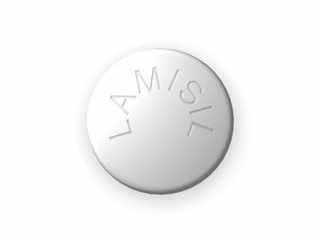
- Oral Tablets (250 mg): Usually taken once daily for 2–6 weeks (skin), 6 weeks (fingernails), or 12 weeks (toenails).
- Topical Cream/Spray/Gel: Applied once or twice daily directly to affected skin; duration typically 1–2 weeks for tinea, longer for stubborn cases.
- Best Practice: Take at the same time each day. Follow your doctor or pharmacist’s instructions. Complete the full course, even if symptoms improve early.
- Practical Tip (Australia): In humid climates or after sport, dry skin thoroughly and wear breathable, cotton clothing and socks to help prevent spread.
Dosing: Morning vs Evening
- Morning dosing: Easier for many due to daily routines. May reduce risk of missed doses if linked with breakfast.
- Evening dosing: Preferred by some, especially if gastrointestinal side effects occur (may be less troublesome overnight).
- Pharmacist Advice: Choose the same time each day that suits your lifestyle. Consistency ensures the best outcome and helps maintain effective levels in your body.
Taking With Food or On an Empty Stomach
- Terbinafine tablets can be taken either with or without food.
- Food does not significantly affect absorption or efficacy.
- If you have stomach upset, try taking the tablet after a meal (common suggestion in English practice).
- For typical Australia diets (e.g., breakfast with cereal or toast, lunch with sandwiches or salad), you may choose the meal that best fits your routine.
Interaction Warnings
| Interaction Type | Concerns/Advice |
|---|---|
| Medications |
|
| Food & Alcohol |
|
| Herbal/OTC |
|
Indications
| Official TGA-Approved Indications (Australia) | Off-Label/Other Uses |
|---|---|
|
|
Dosing According to Clinical Indication & Patient Group
| Indication | Adults | Children | Elderly |
|---|---|---|---|
| Skin infections (tinea corporis, cruris, pedis) | 250 mg tablet once daily for 2–6 weeks or as directed. Topical: apply once/twice daily for 1–2 weeks. | 10–20 mg/kg per day (max 250 mg/day), orally, for 2–6 weeks; specialist advice for <12 years. Topical: as for adults. | As for adults; monitor kidney/liver function regularly. |
| Nail infections (onychomycosis) | 250 mg tablet once daily for 6 weeks (fingernails) or 12 weeks (toenails). | 10–20 mg/kg per day (max 250 mg/day), duration as above. Usually specialist-led. | As for adults. Baseline and periodic liver testing recommended. |
| Scalp infections (tinea capitis) | 250 mg once daily for 4–6 weeks* | Weight-adjusted dose, typically 2–6 weeks | As for adults |
*Scalp infections: Children more likely to need oral therapy. Consult a paediatrician or specialist.
Safety Profile & Side Effects
| Frequency | Possible Side Effects | Action/Advice |
|---|---|---|
| Common (>1 in 100) | Headache, stomach upset, diarrhoea, nausea, rash, taste disturbance, muscle/joint pain. | Usually mild and temporary. Take with food if stomach upset occurs. |
| Occasional (<1 in 100, >1 in 1,000) | Loss of appetite, fatigue, mild liver function changes, itching, hives, dizziness. | See your doctor if persistent. Routine blood tests may be suggested for long courses. |
| Rare/Serious |
| Stop medicine and seek urgent medical help immediately. |
Cautions: Not recommended for patients with chronic or active liver disease without specialist advice. Dose adjustments for severe kidney impairment are rarely needed but may be considered. Report any persistent nausea, dark urine, light stools, yellowing of skin/eyes immediately.
Guidelines for Proper Use in Australia
- Wash and dry affected area (and hands) before application if using topical forms.
- Apply a thin layer gently, covering a small area of healthy skin around the infection.
- Avoid sharing towels, socks, or personal items to reduce spread.
- Finish the course, even if the infection seems cleared before the end.
- Monitor for rash, persistent itching or jaundice (yellowing) while on tablets.
- Wear thongs in communal showers (sport facilities, pools)—a common prevention tip in Australia.
- Inform your doctor/pharmacist of any other medicines or supplements you are taking.
- Only use the product for the current infection unless directed by a health professional.
Alternative Treatment Options in Australia
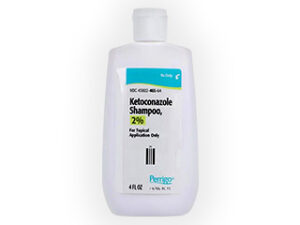
- Topical antifungals (for skin): Clotrimazole (Canesten), Miconazole (Daktarin), Econazole, Ketoconazole. Often first-line for limited tinea.
- Oral antifungals: Itraconazole, Fluconazole—used mainly for nail or scalp tinea, or if terbinafine not tolerated.
- Comparative Pros & Cons:
- Terbinafine: Higher cure rates for dermatophyte (tinea) infections, shorter courses, but can be more expensive and has rare liver risks.
- Azoles (itraconazole, fluconazole): Wider spectrum (yeasts), sometimes more drug interactions, usually not as effective for classic ringworm/nail scenarios.
Note: Most oral antifungals require a prescription and doctor supervision in Australia. PBS (Pharmaceutical Benefits Scheme) reimbursement is available for some oral antifungals for nail and scalp infections, based on strict criteria—check with your prescriber or pharmacist.
Legal, Registration & Reimbursement Status in Australia
- Registration: Registered with the Therapeutic Goods Administration (TGA). AUST R numbers listed on medicine packaging.
- Prescription: Oral forms—Schedule 4 (S4), require prescription; topical—Pharmacy medicine (S2), available behind the counter.
- PBS Subsidy: Lamisil (terbinafine tablets) may be subsidised under the PBS for tinea unguium (nail infection) and tinea capitis, if criteria are met. Check out PBS website or ask your pharmacist.
- Reimbursement: Private health funds may assist with part-cost for prescriptions not covered by PBS; discuss with your insurer for details.
- Legal counselling: Community pharmacy staff must verify medical need and provide safety advice for all S2 and S4 antifungals.
Latest Research & Clinical Guidance (2022–2025)
- Terbinafine remains first-line for most fungal skin and nail infections, with cure rates exceeding 70–90% for dermatophyte tinea (British Journal of Dermatology 2022, RACGP Guidelines 2023).
- Recent studies support the use of pulse-dosing terbinafine for certain patients (e.g., once a week) to reduce cost/side effects—consult your doctor first (Australian Prescriber, 2023).
- Longer nail infection courses (12–16 weeks) can yield higher cure rates, particularly for toenails (Int J Antimicrob Agents 2024).
- Hepatotoxicity risk remains very low but regular monitoring is recommended for those on 4+ week therapy (TGA safety update 2023).
- No major resistance concerns have been reported in Australia as of 2025, though occasional imported cases are noted (Australasian Society for Infectious Diseases—ASID, 2024).
Availability & Delivery in Australia
| Form & Pack Size | Indicative Price Range (AUD, May 2024) | Availability |
|---|---|---|
| Tablets 250 mg x 14 | $20–$35 (PBS subsidy reduces cost) | Widely available from community and online pharmacies by script |
| Tablets 250 mg x 28 | $35–$60 (PBS, concession price ~ $7) | As above |
| Cream 15 g, 30 g (1%) | $7–$15 (OTC) | Most pharmacies, no prescription needed |
| Spray/Gel/Solution | $8–$15 | Popular in sports/climate shops and online |
Delivery times for major Australia cities (express pharmacy courier):
- Sydney, Melbourne, Canberra: Next business day
- Brisbane, Adelaide, Perth: 1–2 business days
- Darwin, Hobart, regional areas: 2–4 business days
FAQ: Common Patient Questions
- Is Lamisil safe to use during pregnancy or breastfeeding?
Terbinafine should not be used during pregnancy except on medical advice. Topical forms may be considered safer than oral tablets. Limited safety data are available for breastfeeding; seek medical advice before use. - How long does it take to see improvement?
Most people using topical forms notice improvement within a few days. Oral therapy for skin infections may improve symptoms in 1–2 weeks; for nails, visible results can take months after completion, as the nail grows out. - Can I drink alcohol while taking Lamisil?
Moderate alcohol is not strictly contraindicated, but it's best to limit or avoid alcohol while taking tablets due to increased liver risk. Notify your doctor if you drink regularly. - Can Lamisil be used for children?
Yes, but oral treatment is generally only initiated on a specialist’s recommendation and requires dose adjustment by age/weight. Topical forms are suitable for most ages if used as directed. - What if I forget a dose?
Take it as soon as you remember. If it’s nearly time for your next dose, skip the missed dose. Do not double up doses. Consistency is key for best results.
If you have more questions about Lamisil (terbinafine), speak with your pharmacist or doctor, or find up-to-date information with NPS MedicineWise.