Grifulvin V (Griseofulvin) – Patient Information for Australia
Basic Product Information
| International Nonproprietary Name (INN) | Griseofulvin |
|---|---|
| Australia Brand Names | Grifulvin V, Grisovin, Gris-PEG (imported), other generics |
| ATC Code | D01AA08 |
| Available Forms & Strengths | Tablets: 125 mg, 250 mg, 500 mg; Oral Suspension: 125 mg/5 mL (availability may vary) |
| Manufacturers | Towa Pharmaceuticals, Bristol-Myers Squibb Australia, various generics |
| Prescription Status | Prescription only medicine (Schedule 4, S4) |
Mechanism of Action
For Patients: Grifulvin V (Griseofulvin) is an antifungal medication that helps eliminate infections caused by certain fungi, especially on the skin, hair, and nails. It works by stopping the growth of the fungi and allowing your body to get rid of the infection.
For Specialists: Griseofulvin acts by interfering with microtubule function, inhibiting mitosis, and binding to fungal microtubular proteins. It deposits in keratin precursor cells, making new keratin resistant to fungal invasion.
Pharmacokinetics
- Absorption: Best absorbed when taken with fatty foods; variable oral bioavailability (approximately 25–70%)
- Metabolism: Extensively metabolised in the liver via demethylation and glucuronidation.
- Elimination: Excreted mainly in urine (as metabolites), minor in faeces.
- Duration of Action: Half-life 9–24 hours; continued presence in skin and nails for weeks.
Use in Everyday Life and Best Practices
Griseofulvin is usually prescribed for fungal infections that are difficult to manage with creams or powders—such as tinea of the scalp, beard, nails, or skin (including tinea corporis, tinea capitis, tinea unguium/onchomycosis, and tinea pedis/athlete’s foot).
- Typical Adult Dose: 500 mg to 1,000 mg daily in one or two divided doses (max. 1 g/day). Dose varies by infection location and severity.
- Children: 10–20 mg per kg body weight daily; seek paediatric advice.
- Elderly: Dose as for adults, but monitor for side effects, especially in those with liver impairment.
- Duration: Continue until a few weeks after symptoms clear; may require months for nail/scalp infections.
- How to Take: Take tablets whole, with a full glass of water and preferably with meals containing fat (such as dairy or oils) to improve absorption.
- Complete the full prescribed course, even if symptoms improve early.
- If you miss a dose, take it as soon as you remember, unless it’s almost time for your next dose—then skip the missed dose and continue as normal.
Dosing: Morning vs Evening
- Morning Dose: Preferred by many for easier compliance and less interference with sleep (as some may rarely experience insomnia).
- Evening Dose: Safe, especially if coordinated with a meal.
- Tips for Regularity: Take at the same time daily to help you remember. Pair the dose with a regular meal, such as breakfast or dinner.
- For divided doses: Space doses evenly (e.g., every 12 hours) if prescribed twice daily.
Taking Grifulvin V with Food
Griseofulvin is best absorbed when taken with fatty food. In the Australian context, typical meal options include buttered toast, avocado, cheese, or milk with cereal. Taking your dose during or just after a meal will help your body absorb more of the medicine.
- With food: Increases absorption and effectiveness.
- On an empty stomach: May reduce how well the medicine works.
- Practical advice: Take your dose during main meals; avoid very low-fat or fasting states while on treatment.
Interaction Warnings
| Type | Examples | Precaution/Advice |
|---|---|---|
| Food | High-fat meals, dairy | Improves absorption; recommended |
| Alcohol | Beer, wine, spirits | Avoid or limit; can increase risk of liver side effects and induce disulfiram-like reaction (flushing, nausea) |
| Medications | Warfarin, oral contraceptives, cyclosporin, phenobarbitone | Can decrease effectiveness (contraceptives, warfarin) or increase toxicity (cyclosporin); consult your GP or pharmacist for advice |
| Liver Enzyme Inducers | Barbiturates, phenytoin | May reduce griseofulvin effectiveness; monitor or adjust dose |
Indications
| Official Indications | Off-label |
|---|---|
| - Tinea capitis (scalp ringworm) - Tinea corporis (body ringworm) - Tinea barbae (beard) - Tinea pedis (athlete’s foot; rarely as first-line) - Tinea unguium (nail infection) | - Tinea infections in immunocompromised patients (with caution) - Chronic/recalcitrant dermatophyte infections if topical therapy fails |
Dosing According to Clinical Indications
| Indication | Adults | Children* | Duration |
|---|---|---|---|
| Tinea capitis | 500–1,000 mg/day PO | 10–20 mg/kg/day PO (max. 1 g) | 4–8 weeks |
| Tinea corporis/pedis/barbae | 500 mg/day PO | 10–20 mg/kg/day PO | 2–6 weeks |
| Tinea unguium (nails) | 500–1,000 mg/day PO | 10–20 mg/kg/day PO | 6–12 months |
*Always confirm dose with a paediatrician.
Safety Profile & Side Effects
| Side Effect | Frequency | Advice |
|---|---|---|
| Headache | Common | Usually mild; seek help if persistent or severe |
| Gastrointestinal upset (nausea, vomiting, diarrhoea) | Common | Take with food to reduce symptoms |
| Skin rash, photosensitivity | Less common | Protect skin in sun; report persistent rashes |
| Hepatotoxicity (abnormal liver enzymes) | Rare | Routine liver tests may be required for long courses |
| Allergic reactions (swelling, difficulty breathing) | Rare | Seek urgent medical attention |
| Peripheral neuropathy | Very rare | Report numbness, tingling |
Guidelines for Proper Use – Advice for Australia
- Take exactly as prescribed, finishing the full course to avoid relapse and resistance.
- Maintain good skin hygiene; wash clothing, towels, and bedding regularly to prevent reinfection.
- Inform your doctor if you have liver disease, systemic lupus erythematosus, porphyria, or are pregnant/planning pregnancy (not recommended in pregnancy).
- For those on the oral contraceptive pill: Use alternative contraception as griseofulvin can reduce effectiveness.
- Limit alcohol as combined use may increase the risk of liver problems or induce a “disulfiram-like” reaction (flushing, fast heartbeat, nausea).
- Protect your skin from excessive sunlight; griseofulvin may make you more sensitive to UV rays (wear hats, sunscreen, and protective clothes).
- Let your GP or pharmacist know about all other medicines or supplements you are taking.
- Keep follow-up appointments for monitoring if you’re on long-term therapy.
Alternative Treatment Options
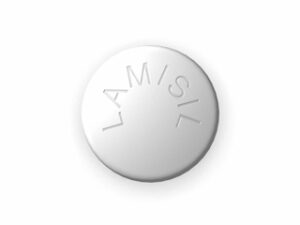
- Terbinafine (Lamisil): Now first-line for nail and skin dermatophyte infections in adults and children over 2 years old. Usually shorter courses, better nail penetration. PBS-subsidised.
- Itraconazole: Effective for some fungal nail infections unresponsive to other medications. More drug interactions. PBS-subsidised in certain indications.
- Fluconazole: Occasionally prescribed for patients intolerant of other agents. Coverage differs by fungal strain.
- Topical antifungals (clotrimazole, miconazole): For mild or localised skin infections—no effect on scalp/nails.
Comparison: Griseofulvin remains useful, especially for tinea capitis in children. Terbinafine is preferred for nail infections due to higher cure rates, shorter therapy, and less liver risk. Discuss alternative options with your GP to find the best treatment for your condition.
Legal, Registration & Reimbursement Status in Australia
- Legal status: Prescription only (Schedule 4 medicine).
- Registration: Approved by the Therapeutic Goods Administration (TGA); ARTG entries may vary by brand/generic.
- Reimbursement: Griseofulvin is subsidised through the PBS for particular indications (e.g., paediatric tinea capitis); check with your pharmacist or GP for eligibility.
- Supply: Available through community pharmacies upon presentation of a valid prescription.
Latest Research & Clinical Guidance (2022–2025)
- Recent Cochrane reviews and the Australasian Society for Infectious Diseases (ASID) recommend terbinafine over griseofulvin for most tinea corporis and onychomycosis in adults due to higher cure rates and shorter treatment time. Griseofulvin is still valuable for tinea capitis in children, where terbinafine safety/efficacy is less established (ASID, 2023).
- A 2023 review in the Australasian Journal of Dermatology confirms griseofulvin’s continued usefulness for scalp ringworm in children but highlights the need for patient and caregiver education to prevent relapse and reinfection.
- Griseofulvin is no longer first-line for nail infections or tinea pedis in Australia given the availability and PBS-subsidy of alternatives with better efficacy and shorter treatment duration.
Availability & Delivery in Australia
| Pack Size | Typical Price (PBS co-pay) | Delivery Times (Business Days) |
|---|---|---|
| 100 tablets (500 mg) | AUD $30.00–$41.00 (+ PBS co-pay where applicable) | Melbourne: 1–2; Sydney: 1–2; Brisbane: 2–3; Perth: 3–5; Adelaide: 2; Hobart: 3–4; Darwin: 4–6 |
| 30 tablets (250 mg) | AUD $17.00–$26.00 | See above |
| Oral suspension (125 mg/5 mL, 100 mL bottle)* | AUD $28.00–$38.00 (availability limited, some compounding pharmacies offer on order) | +1 business day if compounded |
*Check with your local or online pharmacy for suspension availability, especially for paediatric use.
Frequently Asked Questions (FAQ)
- How long before I see results with Griseofulvin?
Most people see improvement within a few weeks for skin/scalp infections. Nail infections may take 6–12 months to fully clear. Continue for the full prescribed course, even if it looks better early. - Can I drink alcohol while taking Griseofulvin?
Avoid alcohol during treatment as it may increase your risk of liver side effects and cause unpleasant reactions (flushing, nausea). - What should I do if I miss a dose?
Take it when you remember unless it’s almost time for your next dose. Do not double up. Resume your normal dosing schedule. - Is Griseofulvin safe during pregnancy or breastfeeding?
Griseofulvin is not recommended in pregnancy due to risks of birth defects. Women of childbearing potential should use effective contraception during and for at least 1 month after treatment. Discuss risks and alternatives with your doctor if breastfeeding. - What can I do to prevent reinfection while taking Grifulvin V?
Maintain good hygiene, wash clothes, towels, and bedding often, avoid sharing hair brushes or hats, and treat household contacts if recommended by your GP.