Lotrisone (Betamethasone / Clotrimazole): Australian Product Information
Basic Product Information
| International Non-Proprietary Names (INN) | Betamethasone, Clotrimazole |
|---|---|
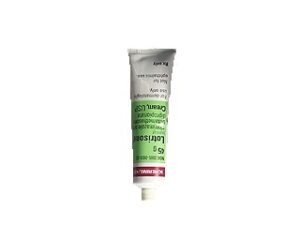
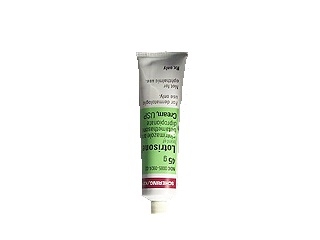
| Brand Names in Australia | Lotrisone, Lotriderm (most common); generic combinations may also be available |
| Anatomical Therapeutic Chemical (ATC) Code | D07CC01 |
| Formulations and Strengths | Cream: - Clotrimazole 1% w/w - Betamethasone dipropionate 0.05% w/w |
| Manufacturers | Merck Sharp & Dohme (Australia) Pty Ltd; Apotex Pty Ltd (generic) |
| Prescription Status (Australia) | Prescription Only Medicine (Schedule 4) |
Mechanism of Action
In Simple Terms:
Lotrisone is a combination medicine used on the skin. It contains two active ingredients:
- Clotrimazole targets and kills fungi and certain yeasts that cause skin infections.
- Betamethasone dipropionate reduces swelling, redness, and itching. It is a potent corticosteroid.
Medical/Clinical Summary:
Clotrimazole disrupts fungal cell membranes by inhibiting ergosterol synthesis, causing cellular contents to leak. Betamethasone dipropionate modulates gene expression to inhibit inflammatory mediators (like cytokines and prostaglandins), thus attenuating local inflammatory responses.
Pharmacokinetics
- Absorption: Clotrimazole is minimally absorbed (<0.5%) through intact human skin. Betamethasone dipropionate has variable percutaneous absorption, increased with damaged or inflamed skin.
- Metabolism: Both drugs largely undergo local (dermal) metabolism, with any absorbed fraction subsequently metabolised by the liver.
- Excretion: Trace amounts absorbed systemically are eliminated via urine and bile.
- Duration of Activity: Symptomatic relief can begin within days; full clinical effects may take 2–4 weeks of regular use, depending on infection severity.
Use in Everyday Life and Best Practices (Australia Context)
- Wash and dry the affected skin area (especially between toes, skin folds, etc.) before each application.
- Apply a thin layer gently, usually once or twice daily as prescribed.
- Do not cover treated areas with occlusive dressings unless directed by the doctor.
- Continue the full course (often 2–4 weeks)—even if symptoms improve earlier.
- Wash hands after application to prevent accidental spread to eyes or other healthy skin.
- Store below 25°C; do not refrigerate or freeze.
This combination is commonly prescribed for tinea (ringworm), athlete's foot (tinea pedis), jock itch (tinea cruris), and fungal infections with marked inflammation.
Dosing in the Morning vs. Evening
- Consistency is key; apply at roughly the same times each day.
- Morning use ensures product is not wiped off during sleep; evening use allows overnight absorption.
- For twice daily application, morning and evening are typical (e.g. after showering and before bed).
- Tip: Set reminders to avoid missing doses.
Taking with Food or on an Empty Stomach
Lotrisone is applied to the skin, so meals have no effect on efficacy. No dietary restrictions are necessary. Australian patients should simply ensure skin is clean and dry before use, regardless of meal times.
Interaction Warnings
| Interaction/Factor | Precaution or Comment |
|---|---|
| Other Topical Medications | Avoid mixing with other creams unless advised, to prevent dilution or chemical reaction. |
| Systemic Corticosteroids | Increased risk of cumulative steroid side effects with concurrent strong/topical or oral corticosteroid use—consult your doctor. |
| Alcohol | No known direct interaction. Drink responsibly. |
| Covering/Bandages | Occlusive dressings increase absorption of steroid—only use if doctor recommends. |
| Immunosuppressive Medications | May increase infection risk—use with caution, inform your specialist. |
| Pregnancy or Breastfeeding | Use only if clearly needed and prescribed; avoid prolonged or large-area use. |
Indications (Official and Off-label)
| Indication | Official (TGA Approved) | Off-label |
|---|---|---|
| Tinea corporis (ringworm of the body) | ✔ | |
| Tinea cruris (jock itch) | ✔ | |
| Tinea pedis (athlete’s foot) | ✔ | |
| Candidal skin infections (body folds) | ✔ | |
| Severely inflamed fungal infections | ✔ | |
| Other inflamed dermatoses (non-fungal) | Occasionally | |
| Pityriasis versicolor | Very rarely, off-label |
Dosing According to Clinical Indication
| Patient Group | Typical Dose | Notes |
|---|---|---|
| Adults & Adolescents | Apply thinly once/twice daily for 2–4 weeks | Do not exceed 45g per week |
| Children (over 12 years) | Same as adults | Prolonged use to be avoided |
| Children (under 12 years) | Not routinely recommended | Use only on specialist advice |
| Elderly | As for adults | Monitor for skin thinning/sensitivity |
Safety Profile and Side Effects
Lotrisone is generally well tolerated when used as prescribed. However, side effects may occur—especially if used on large areas, under occlusion, or for prolonged periods.
| Frequency | Side Effects | Precautions/Warnings |
|---|---|---|
| Common | Itching, burning, redness, irritation | Usually mild, resolve with continued use |
| Uncommon | Allergic reaction (rash, swelling), skin dryness, peeling | Discontinue and see your doctor |
| Rare/Prolonged Use | Skin thinning, stretch marks, pigment changes, increased hair growth, secondary infection | Do not use for more than 2–4 weeks without review |
| Very Rare | Adrenal suppression (in very high dose/long use cases) | Monitor in special populations (children, elderly, chronic use) |
Guidelines for Proper Use (Pharmacist/Clinic Advice)
- Do not apply to face, groin, or underarms unless specifically advised by your doctor.
- Avoid use in broken/ulcerated skin.
- Do not use longer than recommended or for non-fungal cases.
- Seek prompt review if you experience allergic reactions, no improvement after 2 weeks, or worsening symptoms.
- Keep cream out of reach of children and avoid eye contact.
- In hot or humid climates—like many parts of Australia—ensure treated areas are kept cool and dry, and wear loose, breathable clothing.
Alternative Treatment Options (PBS/RPBS Approved)
- Topical antifungals without steroids (e.g., clotrimazole, miconazole, terbinafine):
Pros: Low side-effect risk, suitable for mild/moderate cases.
Cons: May be less effective for inflamed infections. - Separate use of topical antibacterials or corticosteroids:
Pros: Allows tailored dosing.
Cons: More complex. - Oral antifungals (e.g., terbinafine, fluconazole, itraconazole, griseofulvin)—PBS eligible for severe/chronic cases:
Pros: For widespread/severe infections.
Cons: Higher systemic side effects, blood test monitoring often required.
Legal, Registration, and Reimbursement Status in Australia
- Licensed by: Therapeutic Goods Administration (TGA), Australia
- Legal Status: Schedule 4 (Prescription Only)
- Reimbursement: Not listed on the Pharmaceutical Benefits Scheme (PBS) for Lotriderm/combination products; single-ingredient topical antifungals may be PBS reimbursed in select circumstances
- Supply restrictions: Must be supplied by registered pharmacists on valid prescription
Latest Research and Clinical Guidance (2022–2025)
- Australian guidelines (Therapeutic Guidelines: Dermatology, v9.1, 2024) recommend combination corticosteroid-antifungal creams like Lotrisone/Lotriderm for symptomatic relief of inflammatory fungal skin infections, with restriction to short courses (2–4 weeks).
- International guidelines (British Association of Dermatologists, 2023) advise against chronic use due to risk of steroid-induced side effects.
- Recent systematic reviews (Dermatol Ther, 2022) confirm combination products hasten symptom relief but stress prudent use to limit adverse skin effects.
- Best practice: Use only as adjunct for initial phase; switch to single-agent antifungal once acute inflammation subsides.
Availability and Delivery
| Pack Size | Approximate Price (AUD) | Delivery Time (Major Cities) |
|---|---|---|
| 15 g tube | $15–$22 | Sydney, Melbourne, Brisbane: 1–2 business days |
| 30 g tube | $25–$38 | Adelaide, Perth: 2–4 business days |
Product availability may vary by pharmacy; most pharmacies can order within 1–2 days if out of stock.
Frequently Asked Questions (FAQ)
- How quickly does Lotrisone/Lotriderm work?
Most patients notice symptom improvement (less itching, redness) within a few days; complete clearance may require the full 2–4 week course. - Can I use Lotrisone/Lotriderm on my face or genitals?
Use on the face, genitals, or underarms only if specifically advised by your doctor, as the skin in these areas is thinner and more sensitive to steroids. - Is it safe to use in pregnancy or while breastfeeding?
Only use if your doctor prescribes it; do not use on large areas or for prolonged periods. Avoid application on or near breast during breastfeeding. - What should I do if I miss a dose?
Apply as soon as you remember, unless it’s almost time for your next dose. Do not double up. - What are the signs I should stop and see a doctor?
If you experience severe skin irritation, swelling, blisters, or signs of infection, or if your skin condition worsens after starting treatment.