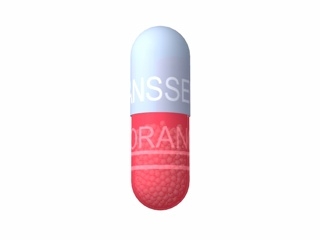
Sporanox (Itraconazole) – Comprehensive Patient Information for Australia
Basic Product Information
| International Non-proprietary Name (INN) | Itraconazole |
|---|---|
| Brand Names (in Australia) | Sporanox®, Itraconazole Sandoz®, Itraconazole Accord® |
| ATC Code | J02AC02 |
| Available Forms & Strengths | Capsules (100 mg), Oral Solution (10 mg/mL), IV Solution (varies by supplier) |
| Manufacturers & Sponsors | Janssen-Cilag, Sandoz, Accord, various licensed suppliers |
| Prescription Status | Prescription Only (S4 – Prescription Medicine) |
Mechanism of Action
Simplified explanation: Itraconazole is an antifungal medicine that fights fungal infections by stopping fungi from building an essential part of their protective outer layer (cell membrane). It specifically blocks a process fungi use to make "ergosterol," a key ingredient in their cell walls. Without ergosterol, the fungi become weak and die.
Specialist details: Itraconazole is a triazole antifungal agent that inhibits fungal cytochrome P450-dependent 14α-demethylase, obstructing the biosynthesis of ergosterol. This disturbs membrane-associated enzyme activity and increases cellular permeability, resulting in fungistatic or fungicidal effects depending on concentration and fungal species.
Pharmacokinetics
- Absorption: The absorption of Sporanox capsules is optimised when taken with food, whereas the oral solution is best absorbed on an empty stomach. Peak blood concentrations are usually reached within 2–5 hours (capsule), and up to 7 hours for the oral solution.
- Metabolism: Metabolised primarily by the liver via CYP3A4, producing active metabolites such as hydroxy-itraconazole.
- Elimination: Itraconazole and its metabolites are mainly excreted in faeces (~80%) and to a lesser extent in urine (~35%).
- Duration of Action: Terminal half-life after repeated dosing is 24–42 hours, supporting once- or twice-daily dosing. Itraconazole and metabolites can remain in skin and nails for months post-treatment.
Use in Everyday Life and Best Practices
Itraconazole is used in Australia to treat a variety of fungal infections including those affecting the skin, nails, mouth, throat, and internal organs. Your doctor will prescribe the formulation (capsule, solution, or IV) depending on your condition.
- Typical Dose: Varies by infection: e.g. for toenail infections, usually 200 mg once daily for 12 weeks or pulse dosing (200 mg twice daily for 1 week repeated after a 3-week break).
- Capsules should be swallowed whole with a full glass of water, preferably just after a meal (see food section below).
- Oral solution should be taken on an empty stomach for optimal absorption.
- Always take itraconazole exactly as prescribed and never skip or stop early unless directed by your doctor.
- Keep track of your dosing schedule (morning/evening) to help remember to take your medicine.
- Pharmacy dispensing and repeat scripts are required in Australia.
Dosing in the Morning vs Evening
- Advantage of Morning Dosing: Easier to remember, can be synchronised with breakfast (capsules), allows for monitoring of side effects during the day, and aligns with GP/pharmacy support hours.
- Evening Dosing: May suit those with busy mornings or who forget morning doses. However, if side effects appear (e.g. nausea) at night, it can disrupt sleep.
- Tips:
- Set a recurring reminder on your phone or clock.
- Keep your medicine in a visible spot but out of reach of children.
- Try to take itraconazole at the same time each day for consistent blood levels.
Taking with Food or on an Empty Stomach
- Capsules: Best absorbed when taken immediately after a meal. Taking with a standard Australian breakfast (e.g. toast, porridge, yoghurt, cereal) is suitable. Fat in the meal increases absorption.
- Oral Solution: Should be taken on an empty stomach (at least 1 hour before or 2 hours after food) for best absorption, even with common morning or evening tea habits.
- Important: Do not take with antacids or acid-suppressive treatments (like omeprazole) unless advised by your doctor, as these reduce absorption.
Interaction Warnings
| Type | Specifics | Advice |
|---|---|---|
| Food | Fatty meals increase absorption (capsules); oral solution is reduced by food | Follow administration guidelines for the formulation you use |
| Alcohol | No major direct interaction, but can worsen liver side effects | Avoid or limit alcohol while on treatment |
| Acid Suppressants | Antacids, H2 blockers, PPIs (e.g. famotidine, omeprazole) | Reduce absorption; separate doses or discuss alternatives with doctor |
| Other Medicines | Statins (simvastatin, atorvastatin), some heart drugs, warfarin, carbamazepine, rifampicin, certain antihistamines, benzodiazepines, ciclosporin | May increase or decrease blood levels, increase side effects or risk of toxicity: always inform your health provider about all medicines you take |
| Herbal Products | St John’s Wort | May reduce effectiveness of itraconazole; avoid combination |
Indications for Use
| Indication | Official (TGA Approved) | Off-label/Other Use |
|---|---|---|
| Onychomycosis (nail fungus) | ✔ | Rare for children |
| Dermatophytosis (skin fungus) | ✔ | |
| Oral and oesophageal candidiasis | ✔ | ✔ (immunosuppressed patients) |
| Systemic mycoses (e.g. aspergillosis, histoplasmosis, blastomycosis) | ✔ | |
| Sporotrichosis | ✔ | |
| Fungal prophylaxis in neutropenia | ✔ (at specialist discretion) |
Dosing According to Clinical Indications
| Condition | Adults | Paediatrics (weight-based) | Elderly (individualise based on liver/kidney function) |
|---|---|---|---|
| Onychomycosis | 200 mg once daily for 12 weeks or 200 mg twice daily for 1 week/pulse, repeated after 3 weeks (x2–3 pulses) | Not typically used (specialist decision) | As in adults, but monitor more closely for side effects |
| Dermatophytosis | 100–200 mg once daily for 2–4 weeks | 3–5 mg/kg once daily (consult paediatric specialist) | As in adults, monitor for hepatic effects |
| Oral/Oesophageal Candidiasis | 100 mg once daily for 15 days (capsules) 200 mg once daily for 1–2 weeks (solution) | 2.5 mg/kg/day (solution), adjust as needed | As in adults |
| Systemic Mycoses | 200 mg once or twice daily, up to several months | Specialist dosing | As in adults |
Safety Profile and Side Effects
- Common Side Effects: Nausea, vomiting, diarrhoea, stomach pain, headache, dizziness, fatigue, cough, menstrual changes, rash. These are usually mild and temporary.
- Uncommon/Rare Side Effects: Ankle swelling, heart failure (especially in those with existing heart disease), severe allergic reactions, liver toxicity (jaundice, dark urine), peripheral neuropathy, hearing loss.
- Warnings:
- Do not take if you have a history of heart failure unless strictly necessary and supervised by a specialist.
- Monitor for signs of liver toxicity (yellowing of skin/eyes, persistent nausea).
- Alert your doctor/pharmacist if you are pregnant, planning pregnancy, or breastfeeding.
| Side Effect | Frequency | Advice |
|---|---|---|
| Nausea/Vomiting | Common | Take after food (capsules). Notify GP if severe. |
| Liver function changes | Uncommon | Regular blood tests. Watch for yellow eyes/skin. |
| Heart failure | Rare | Do not use if history of heart problems, unless strongly justified. |
| Rash/allergic reaction | Occasional | Stop medicine and seek urgent advice if swelling, breathing difficulty, or severe rash occurs. |
| Dizziness/fatigue | Common | Avoid driving until you know how it affects you. |
Guidelines for Proper Use (Pharmacist/Clinic Advice)
- Always complete the full course, even if you feel better before it finishes.
- Store at room temperature, away from sunlight and moisture. Don’t freeze or expose to excess heat - typical advice for Australian climate.
- Report any new symptoms (rash, breathlessness, dark urine, yellowing of skin/eyes) to your GP or pharmacist promptly.
- If you miss a dose, take it as soon as you remember unless it is near the time for your next dose. Do not double up doses.
- Itraconazole can interact with many other medications – always tell your doctor or pharmacist about everything you take, including natural remedies and over-the-counter medicines.
- Use reliable contraception during treatment and for at least 2 months after completing your itraconazole course.
Alternative Treatment Options
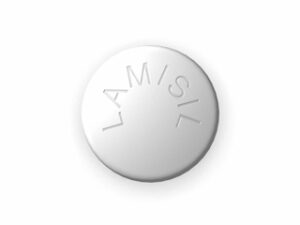
- Terbinafine (Lamisil®): PO, topical options. Often first-line for nail fungal infections. Fewer drug interactions than itraconazole. Not all forms subsidised by the PBS.
- Fluconazole: Easier dosing, lower risk of heart failure, but not as broad spectrum as itraconazole. Available PBS reimbursement for some indications.
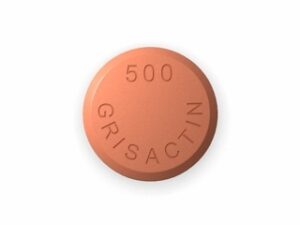
- Griseofulvin: Older antifungal, less frequently used due to side effects, but sometimes preferred in paediatric scalp infections.
- Posaconazole, Voriconazole: Specialist-only and for severe, resistant, or systemic infections.
Itraconazole is generally selected when first-line treatments have not worked, are not tolerated, or the specific fungus is known to require a broad-spectrum agent. Talk to your doctor about the most appropriate treatment for your infection.
Legal, Registration, and Reimbursement Status in Australia
- Legal Status: Schedule 4 (S4) prescription medicine; available only by a registered medical practitioner's script in Australia.
- Therapeutic Goods Administration (TGA) Registration: Registered for human use; approved for the listed fungal indications.
- Pharmaceutical Benefits Scheme (PBS): Some indications are covered by PBS for eligible patients; check with your pharmacy or doctor for current status and co-payment amounts.
- Supply: Available Australia-wide via community and hospital pharmacies. Strict monitoring for safety and compliance.
Latest Research and Clinical Guidance (2022–2025)
- According to the 2023 updated Australasian Society for Infectious Diseases (ASID) guidelines, itraconazole remains a second-line option after terbinafine for onychomycosis, but is first-line in some systemic and rare fungal infections (Clin Infect Dis. 2023;77(2):e213–e220).
- TGA safety updates (2023) reaffirm the risk of heart failure and hepatotoxicity, advising caution especially in older adults or those with cardiac history (TGA Safety Advisory).
- Recent UK NHS and Australian PBS reviews suggest itraconazole solution may be more effective than capsules for oral/esophageal candidiasis, with optimal benefit seen with regular liver monitoring.
- For severe COVID-19-associated fungal infections, specialist guidelines recommend posaconazole or voriconazole over itraconazole, except where local resistance patterns or intolerance requires its use (J Antimicrob Chemother. 2024;79(3):1234-1242).
Availability and Delivery
- Pack Sizes (Australia):
- Capsules: Blisters of 15, 28, 60 or 100 capsules
- Oral Solution: Bottles of 150 mL
- IV Form: Hospital/pharmacy only (specialist order)
- Indicative Costs (PBS subsidised):
- Capsules: $6.70 (concession); $40–$50 (general PBS)
- Oral Solution: Higher, varies by indication
- Unsubsidised private price can be higher
- Delivery Times to Major Cities (example only):
City Standard Pharmacy (in-store) Online Pharmacy (home delivery) Sydney, Melbourne, Brisbane Same day - 1 working day 1–2 working days Perth, Adelaide 1–2 working days 2–3 working days Hobart, Darwin 2–3 working days 2–4 working days Rural/Remote 2–5 working days 3–7 working days
Frequently Asked Questions (FAQ)
- Can I drink alcohol while on Sporanox (Itraconazole)?
It's best to avoid or strictly limit alcohol as it increases the risk of liver side effects when combined with itraconazole. - How long before I see results from Sporanox?
Improvement can take weeks to become noticeable for nail or skin infections; for systemic infections, some benefits appear within days, but finishing the full course is essential. - What should I do if I miss a dose?
Take the missed dose as soon as you remember, unless it is almost time for your next dose. Never double the dose. If in doubt, ask your pharmacist. - Can children take itraconazole?
Itraconazole can be used in children for specific severe fungal infections, but only under specialist care.