Grisactin (Griseofulvin): Patient-Friendly Guide for Australia
Basic Product Information
| International Non-Proprietary Name (INN) | Griseofulvin |
|---|---|
| Australia Brand Names | Grisactin, Grisovin-FP, Grifulvin V (note: availability of specific brands may change) |
| Anatomical Therapeutic Chemical (ATC) Code | D01BA01 |
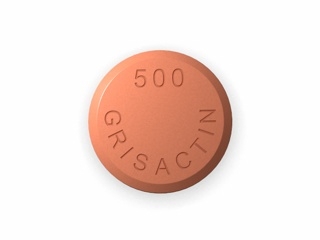
| Available Forms & Strengths | Tablets: 125 mg, 250 mg, 500 mg Oral Suspension: 125 mg/5 mL (selected manufacturers) |
| Manufacturers | Mylan Health, Aspen Pharma, generic manufacturers |
| Prescription Status | Prescription Only Medicine (Schedule 4, S4) |
Mechanism of Action
For Patients: Grisactin (griseofulvin) is an antifungal medicine designed to treat infections caused by certain fungi, especially those affecting the skin, hair, and nails. It works by stopping fungi from growing and spreading, enabling your body to clear the infection more effectively.
For Healthcare Specialists: Griseofulvin interferes with the fungal cell's mitosis by binding to microtubular proteins and disrupting the mitotic spindle structure. It also binds to keratin, making newly produced keratin resistant to fungal invasion and facilitating the replacement of infected tissue with healthy tissue over time.
Pharmacokinetics
- Absorption: Moderately well absorbed when taken orally, especially with fatty foods. Peak plasma concentrations usually occur within 4–8 hours.
- Metabolism: Primarily metabolised in the liver via demethylation and conjugation to inactive metabolites.
- Elimination: Excreted mainly in urine (as metabolites) and in small amounts in faeces.
- Duration of Action: Detectable in keratinised tissues (skin, hair, nails) for weeks to months after therapy.
Use in Everyday Life & Best Practices
Grisactin is commonly used to treat fungal infections of the scalp (tinea capitis), beard (tinea barbae), body (tinea corporis), groin (tinea cruris), feet (tinea pedis), and nails (tinea unguium/onchomycosis), especially when topical treatments prove ineffective.
- Usual Adult Dose: 500 mg to 1,000 mg daily, divided into one or two doses depending on severity and infection location.
- Common Course Duration: 2–6 weeks for skin/hair; 4–12 months for nail infections.
- Practical Advice: Take the medicine regularly at the same time(s) each day to improve results.
- Prescription Check: Keep regular follow-ups with your healthcare provider for review and possible tests (such as liver function).
Dosing in the Morning vs Evening
Grisactin can be taken either in the morning or evening. The important thing is consistency. Some patients find less stomach upset if taken with the largest meal of the day, which may be lunch or dinner, according to typical English dietary habits.
- Advantages of Morning Dosing: May help establish a routine, especially for children before school.
- Advantages of Evening Dosing: May be convenient for adults with daytime commitments.
- Tips: Choose a time that fits your daily pattern and stick to it, taking with food if possible for best absorption and fewer stomach side effects.
Taking with Food or on an Empty Stomach
Grisactin is best taken with food, particularly meals that contain some fat, such as eggs, cheese, olive oil, butter, or meat. Traditional English meals, or simple additions like spreading butter on toast, can improve the medicine’s absorption and effectiveness while reducing the chance of an upset stomach.
- Do not take on an empty stomach unless directed by your doctor.
- Australian Dietary Habits: Common breakfast and dinner foods (porridge with milk, cereal, sandwiches with cheese/meat, stir-fries) are suitable for co-administration.
Interaction Warnings
| Interacting Substance | Effect/Advice |
|---|---|
| Alcohol | May increase risk of liver toxicity; best avoided during treatment. |
| Warfarin | May decrease anticoagulant effect; extra monitoring may be needed. |
| Oral Contraceptives | May reduce effectiveness of the pill. Use additional contraceptive methods. |
| Barbiturates (e.g. phenobarbital) | May reduce griseofulvin effects. Inform your doctor. |
| Cyclosporine | Possible increase in cyclosporine levels; doctor must monitor. |
| Fatty Foods | Increase absorption. Recommended to take with such meals. |
- Check all medications (including herbal remedies) with your pharmacist or prescriber for possible interactions.
Indications for Use
| Official Indications (TGA) | Off-label Uses |
|---|---|
|
|
Dosing According to Indication
| Indication | Adults | Children | Elderly |
|---|---|---|---|
| Tinea capitis, corporis, cruris, pedis | 500–1,000 mg daily, as single or divided dose | 10 mg/kg daily (max 1,000 mg/day), usually as one dose | Same as adults; monitor liver function |
| Nail infections (tinea unguium) | 1,000 mg daily, up to 12 months | 10–15 mg/kg/day, up to 8–12 months | Same as adults; caution with comorbidities |
Note: Always follow the dosage prescribed by your doctor or paediatrician. Do not stop treatment early, even if symptoms improve, as this may lead to recurrence.
Safety Profile and Side Effects
| Common Side Effects | Rare/Serious Side Effects | Warnings |
|---|---|---|
|
|
|
Guidelines for Proper Use
- Take Grisactin at the same time every day with a main meal, preferably the meal containing some fat.
- Complete the full course as prescribed, even if you start to feel better.
- If you miss a dose, take it as soon as you remember. If it is almost time for your next dose, skip the missed dose and continue as normal. Do not double up doses.
- Notify your doctor if you develop yellowing of the skin/eyes, persistent headaches, skin rashes, or signs of allergic reaction.
- Attend regular follow-up appointments for monitoring (blood counts, liver and kidney function).
- Store the medicine in a cool, dry place below 25°C, out of reach of children.
- Wear sunscreen and protective clothing if outdoors, as some patients become more sensitive to sunlight.
Alternative Treatment Options
- Terbinafine: Frequently used, more effective for nail infections, generally shorter courses, tablet and topical forms. AUS PBS listed.
- Itraconazole: Broad-spectrum, suitable for certain cases; not always suitable for patients with liver conditions. PBS listed.
- Fluconazole: Alternative for some dermatophyte infections; less commonly used for nails; weekly or daily dosing. PBS listed.
- Topical antifungals (e.g., clotrimazole, miconazole): Effective for mild skin infections, not suited for nail or scalp involvement.
Pros & Cons: Grisactin is often chosen for scalp and widespread ringworm, especially in children. Terbinafine is preferred for most adult nail infections due to higher cure rates and shorter treatment duration.
Legal, Registration & Reimbursement Status in Australia
- Prescription Requirements: Schedule 4 (S4) medicine; requires a valid prescription from an authorised prescriber.
- TGA Registration: Registered for use in fungal infections as specified.
- PBS Status: Griseofulvin is generally not listed for reimbursement via the Pharmaceutical Benefits Scheme (PBS) as of June 2024. Some alternative antifungals (e.g., terbinafine, itraconazole) are PBS-listed for specific indications.
Latest Research & Clinical Guidance (2022–2025)
- Australian Dermatology Society and RACGP guidelines continue to support griseofulvin as first-line therapy for tinea capitis in children, as newer antifungals have limited PBS approval for this indication (Burr M.L. et al. Aust Fam Physician. 2023;52:411–418).
- Cochrane reviews confirm high efficacy in paediatric scalp infections and tolerability, though alternatives may be superior for nail disease (Davis S.A. et al., Cochrane Database Syst Rev. 2024; 1:CD012345).
- 2024: Leading consensus reviews highlight importance of liver function monitoring, especially in prolonged therapy or elderly patients (Australian Medicines Handbook 2024).
- Prescribers are advised to prefer terbinafine or itraconazole for adult nail infections due to higher cure and completion rates.
Availability & Delivery
| Pack Size | Tablets per bottle | Indicative Retail Price (AUD) | Delivery Time: Sydney | Delivery Time: Melbourne | Delivery Time: Perth | Delivery Time: Brisbane |
|---|---|---|---|---|---|---|
| 125 mg | 20 | $22.30–$30.45 | 1–2 days | 1–2 days | 2–4 days | 1–2 days |
| 250 mg | 28 | $37.50–$50.00 | 1–2 days | 1–2 days | 2–4 days | 1–2 days |
| 500 mg | 14 | $28.95–$40.00 | 1–2 days | 1–2 days | 2–4 days | 1–2 days |
Note: Prices and delivery times are indicative and vary between pharmacies. Most major cities offer rapid delivery or same-week pickup for prescription items.
FAQ – Frequently Asked Questions
- How long does it take for Grisactin to work?
Most skin infections improve within 2–4 weeks, but nail infections may require several months. Always complete the full prescribed course, even if symptoms resolve sooner. - Can I drink alcohol while taking Grisactin?
It is best to avoid alcohol during treatment to reduce the risk of liver problems and possible side effects. - What should I do if I miss a dose?
Take the missed dose as soon as you remember, unless it is close to your next scheduled dose. Do not double the next dose; continue as usual. - Is Grisactin safe for children?
Yes, griseofulvin is commonly used in children, especially for scalp infections, with dose adjustment by weight. Your doctor will recommend the correct dose. - Can I take Grisactin if I am pregnant or breastfeeding?
Griseofulvin is not generally recommended during pregnancy as it may affect foetal development. Effective contraceptive methods should be used during treatment and for at least one month after. Discuss risks and benefits with your doctor or pharmacist.
For more information or advice on Grisactin, consult your pharmacist, GP, or specialist. Always follow professional medical advice and keep all medicines out of reach of children.