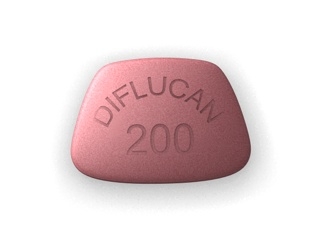
Diflucan (Fluconazole) – Patient Information for Australia
Basic Product Information
| International Nonproprietary Name (INN) | Fluconazole |
|---|---|
| Australia Brand Names | Diflucan®️, Sandoz Fluconazole, fluconazole (generic) |
| ATC Code | J02AC01 |
| Available Forms & Strengths | Capsules: 50 mg, 150 mg, 200 mg Oral suspension: 50 mg/5mL IV infusion: 2 mg/mL |
| Manufacturers | Pfizer Australia, Sandoz, Apotex, other approved generics |
| Prescription Status | S4 – Prescription Only Medicine (Rx) |
Mechanism of Action
For Patients:
Fluconazole stops the growth of fungi by interfering with the production of an important part of their cells. This action helps clear fungal and yeast infections.
For Specialists:
Fluconazole is a triazole antifungal which inhibits cytochrome P450-dependent enzyme 14α-demethylase, causing impairment of ergosterol synthesis in fungal cell membranes, resulting in cell death.
Pharmacokinetics
- Absorption: Excellent oral bioavailability (>90%) and well absorbed from gastrointestinal tract. Food does not affect absorption.
- Distribution: Widely distributed in body fluids and tissues, including CSF.
- Metabolism: Minimal hepatic metabolism (about 11%).
- Elimination: Primarily renal excretion (80% as unchanged drug).
- Elimination Half-Life: Around 30 hours in adults with normal renal function.
- Duration of Action: Allows for once-daily dosing.
Use in Everyday Life and Best Practices
Fluconazole is commonly used in Australia to treat a variety of fungal (yeast) infections, including thrush, vaginal candidiasis, oral thrush, and some systemic fungal infections. It is easy to take and generally well tolerated.
- Typical Dose: For vaginal thrush in adults, a single 150 mg oral capsule is common. For other infections, doses may be daily (50–400 mg) and duration varies by indication.
- How to Use:
- Take exactly as prescribed by your GP or specialist.
- Swallow capsules whole with water.
- Use at the same time each day for best effect.
- Do not stop early even if symptoms improve, unless advised by your doctor.
- Special Australian Context: If purchasing over the counter, check pharmacy guidelines — most fluconazole is still prescription-only.
Dosing: Morning vs Evening
- Take at any time of day, with or without meals. Pick a regular time that suits your daily routine for longer courses.
- Advantages of morning dose: Less likely to forget, easier to monitor for side effects during day.
- Advantages of evening dose: May suit shift workers or those taking multiple evening medications.
- Tip: Use reminders or link to another daily habit (like medication or teeth brushing) for consistency.
Taking with Food or on an Empty Stomach
Fluconazole can be taken with or without food. Meals have no significant effect on how much medicine your body absorbs. Take with water. If you experience nausea, a light meal or snack may help.
Australian Dietary Note: No need to alter normal diet (e.g., dairy, bread, fruit, veg). No special foods required.
Drug, Food and Alcohol Interaction Warnings
| Interaction | Details | Recommendation |
|---|---|---|
| Alcohol | No known direct interaction, but may increase risk of liver problems with high consumption. | Limit alcohol. Discuss with GP if liver disease. |
| Warfarin | May increase risk of bleeding. | INR monitoring, notify your doctor. |
| Oral hypoglycaemics (e.g., gliclazide) | Increased effect possible → hypoglycaemia risk. | Monitor blood sugar closely. |
| Some statins (e.g., simvastatin, atorvastatin) | Increased statin levels, possible muscle toxicity. | Avoid or discuss alternative statin/monitor symptoms. |
| Phenytoin, Carbamazepine | Raises or lowers anticonvulsant levels. | May need dose adjustment. |
| Rifampicin | Reduces effectiveness of fluconazole. | Doctor may adjust antifungal dose. |
| QT-prolonging drugs | Risk of heart rhythm disturbances. | Cardiac monitoring or alternative therapy. |
Always tell your pharmacist and GP about all medicines, vitamins, and supplements you use. Do not start, stop, or change any medicines without consulting your doctor.
Indications
| Indication | Australian Registration? | Notes |
|---|---|---|
| Vaginal candidiasis (thrush) | Yes (PBS) | Often single 150mg dose |
| Oral and oesophageal candidiasis (mouth and throat thrush) | Yes (PBS) | May require multiple doses |
| Candida urinary tract infections | Yes | Duration and dose varies |
| Systemic candidiasis (blood infection) | Yes | IV or high-dose oral therapy |
| Coccidioidomycosis, cryptococcal meningitis | Yes | Specialist indication, longer therapy |
| Prophylaxis in immunocompromised patients (e.g., HIV/AIDS, transplant) | Yes | As directed by specialist |
| Dermatomycoses (skin, off-label), tinea | Sometimes off-label | Usually topical therapy preferred |
Dosing According to Clinical Indications
| Indication | Adults | Children | Elderly |
|---|---|---|---|
| Vaginal candidiasis | 150 mg single dose | Not usually recommended | As adult (adjust if renal impairment) |
| Oropharyngeal candidiasis | 50–100 mg daily, 7–14 days | 3 mg/kg daily, up to 14 days | As adult (adjust if renal impairment) |
| Systemic candidiasis | 400 mg first dose, then 200–400 mg daily | 6–12 mg/kg daily | As adult (adjust if renal impairment) |
| Cryptococcal meningitis | 400 mg on day 1, then 200–400 mg daily for 6–8 weeks | 6–12 mg/kg daily | As adult (adjust if renal impairment) |
| Prophylaxis (immunosuppressed) | 50–400 mg daily | 3–12 mg/kg daily | As adult (adjust if renal impairment) |
- Renal/elderly: Dose adjustment needed if kidney function is reduced.
- Always follow the dosing recommended by your doctor or pharmacist.
Safety Profile and Side Effects
| Frequency | Side Effect | Advice |
|---|---|---|
| Common | Headache, nausea, stomach pain, diarrhoea, indigestion, rash | Usually mild. If severe or persistent, contact your pharmacist or GP. |
| Uncommon | Liver function changes, dizziness, altered taste | Report new symptoms. Liver monitoring may be needed in long-term use. |
| Rare (but serious) | Severe rash or peeling (Stevens-Johnson syndrome), severe allergic reaction, jaundice, severe liver injury, seizure, heart rhythm problems (QT prolongation) | Stop medicine. Seek immediate medical attention. |
- Warnings: Use with caution if you have liver or kidney disease, arrhythmia, or are pregnant or breastfeeding. Discuss risks and safer alternatives with your GP.
- Pregnancy: Use only if prescribed and necessary. High doses may increase birth defect risk.
- Breastfeeding: Generally considered compatible for short courses (single dose), but discuss with your doctor.
Guidelines for Proper Use (Australian Advice)
- Only use fluconazole on the advice of a healthcare professional.
- Complete the entire prescribed course, even if symptoms improve.
- Swallow capsules with a full glass of water.
- Store at room temperature away from children.
- Report any signs of allergic reaction (swelling, rash, difficulty breathing) immediately.
- Regular monitoring may be needed for long-term courses, especially of liver function.
- If you miss a dose, take it as soon as you remember. If it is almost time for the next dose, skip the missed dose. Do not double up.
Alternative Treatment Options
- Topical antifungals (e.g., clotrimazole, miconazole): Suitable for mild local infections (thrush, tinea).
- Itraconazole: Broader spectrum, prescribed for resistant or more severe infections. More drug interactions than fluconazole.
- Amphotericin B (IV): For severe, systemic or resistant infections. Hospital therapy only.
- Nystatin (oral/topical): For oral thrush or topical use; limited absorption, so not suitable for systemic infections.
Comparison: Fluconazole is preferred for ease of use, effectiveness in both superficial and some deep-seated infections, and favourable safety profile. Topical therapies are first-line for most skin/outer mucosa infections.
Legal, Registration and Reimbursement Status in Australia
- Legal Classification: S4 – Prescription Only.
- Registration: Registered under TGA (Therapeutic Goods Administration).
- Reimbursement: Available on the Pharmaceutical Benefits Scheme (PBS) for approved indications (e.g., systemic mycoses, certain courses for thrush in immunosuppressed patients).
- Prescription Requirements: Only by medical or nurse practitioner prescription.
- Supply: Dispensed by Australian community and hospital pharmacies.
Latest Research & Clinical Guidance (2022–2025)
- Candida infections: Recent clinical guidelines support fluconazole as first-line therapy for most Candida species, except for non-albicans resistant strains (IMJ, 2023).
- Antifungal resistance: Monitor local resistance patterns; switch to other azoles or echinocandins if fluconazole resistance suspected (Lancet Infect Dis, 2023).
- Pregnancy: Single doses remain relatively safe, multiple doses only when benefits outweigh risks. (MIMS Australia, 2024).
- Drug interactions: Be vigilant for polypharmacy, especially in elderly and those with comorbidity (TGA Safety Updates, 2022–2025).
Availability and Delivery
| Pack Size | Form | Indicative PBS Price | Typical Delivery Time (Sydney) | Typical Delivery Time (Melbourne) | Typical Delivery Time (Brisbane) | Typical Delivery Time (Perth/WA) |
|---|---|---|---|---|---|---|
| 1 capsule | 150 mg capsule | $11.99 (PBS subsidy for eligible) | 1–2 days | 1–3 days | 1–3 days | 2–4 days |
| 7 capsules | 50 mg capsules | $17–23 | 1–2 days | 1–3 days | 1–3 days | 2–4 days |
| Oral suspension (35 mL) | 50mg/5mL | $13–25 | 1–2 days | 1–3 days | 1–3 days | 2–4 days |
| IV infusion (hospital) | 2mg/mL, 100 mL | Hospital supply | N/A | N/A | N/A | N/A |
Prices may vary. Always check with your local pharmacist or via PBS. Delivery timelines depend on local courier and pharmacy processing.
FAQ – Frequently Asked Questions
- Can I take fluconazole if I am pregnant or breastfeeding?
You should discuss this with your doctor. A single 150 mg dose is sometimes used in pregnancy under supervision, but ongoing or high-dose treatment is avoided unless clearly needed. Breastfeeding is generally considered safe for short courses. - How quickly does Diflucan work?
Most people start to see improvement within 1–2 days for thrush. Full relief may take up to a week, especially for longer-standing infections. - Do I need to avoid any foods, drinks, or supplements?
No food needs to be avoided. Take with or without meals. Limit alcohol, especially if you have liver disease, and avoid grapefruit products. Discuss supplements or herbal remedies with your pharmacist. - Can I drink alcohol while using fluconazole?
Moderate alcohol intake is not generally contraindicated, but both alcohol and fluconazole are processed via the liver. Avoid excess alcohol, and talk to your GP if you have liver concerns. - I forgot a dose – what should I do?
Take the missed dose as soon as you remember, unless it is almost time for the next one. Do not double up. For single-dose indications (e.g. 150 mg capsule for thrush), just take as soon as possible.