Ketoconazole: Comprehensive Patient Guide
Basic Product Information
- International Non-proprietary Name (INN): Ketoconazole
- Common Australia Brand Names: Nizoral®, Sebizole®, Ketoconazole Sandoz
- Anatomical Therapeutic Chemical (ATC) Code: D01AC08
- Available Forms & Strengths:
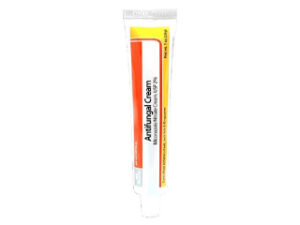
- Cream (2%)
- Shampoo (2%)
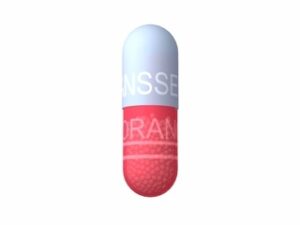
- Tablets (200 mg; oral use is now rare and subject to strict clinical guidelines)
- Manufacturers: Janssen-Cilag, Aspen Pharmacare, various generics
- Prescription Status:
- Topical: Pharmacist Only Medicine (S2/S3) – some products available over-the-counter
- Oral: Prescription Only Medicine (S4) – strict specialist oversight due to safety profile
Mechanism of Action
For Everyone: Ketoconazole is an antifungal medicine. It works by stopping the growth of fungi by blocking the synthesis of ergosterol, a vital component of fungal cell membranes. Without ergosterol, fungi cannot survive, grow, or spread.
For Specialists: Ketoconazole inhibits fungal cytochrome P450 14α-demethylase, interfering with ergosterol biosynthesis. This activity weakens fungal cell membranes and increases permeability, leading to cell death. Ketoconazole also inhibits adrenal steroidogenesis at higher systemic exposures, accounting for certain endocrine side effects.
Pharmacokinetics
- Absorption: Oral bioavailability is variable, best when taken with food and acidic beverages. Topical forms (cream/shampoo) have minimal systemic absorption.
- Metabolism: Extensively metabolised in the liver by CYP3A4.
- Elimination: Excreted mainly in bile and faeces; minor renal route.
- Duration of Action: Single dose of oral ketoconazole has effects lasting approximately 24 hours; topical forms usually applied once daily or as directed.
Use in Everyday Life and Best Practices
- Cream: Apply a thin layer to the affected area once or twice daily. Continue for several days beyond symptom resolution as per pharmacist advice.
- Shampoo: For dandruff or seborrhoeic dermatitis, massage into wet scalp and leave for 3–5 minutes before rinsing. Use twice weekly for up to 4 weeks, then as needed for maintenance.
- Tablets: Systemic ketoconazole is rarely used, reserved for severe or refractory fungal infections not responsive to other medicines, and must always be prescribed and supervised by specialists.
- Australia Context: High climate variability in Australia may affect skin conditions. Always follow local health advice regarding personal hygiene, especially in hot and humid environments.
Dosing: Morning vs Evening
- Topical Use: Does not matter significantly; best to choose a regular time to help adherence.
- Oral Use: Should be taken at the same time each day, with a meal (usually breakfast or dinner). Consistency helps maintain effective drug levels and reduce gastrointestinal upset.
- Tips: Set reminders or tie your medication to a routine event for best adherence.
- Advantage: Morning doses with food may reduce stomach problems.
Taking with Food or on an Empty Stomach
- Oral Ketoconazole: Always take with food. Food increases its absorption, especially acidic foods or drinks like orange juice. Avoid taking with milk or antacids, as these can reduce absorption.
- Topical Forms: Not affected by meals.
- Australia Diet Advice: Typical balanced diets are compatible; include fruit juices (not dairy) if needed for acidic environment.
Interaction Warnings
| Interacting Item | Effect | Advice |
|---|---|---|
| Antacids, Proton Pump Inhibitors, H2 blockers | Reduce ketoconazole absorption | Avoid or separate intake by at least 2 hours |
| Alcohol | Increases risk of liver toxicity, headache, flushing | Limit or avoid alcohol use during treatment |
| CYP3A4 inhibitors/inducers (e.g. rifampicin, phenytoin, carbamazepine) | Alter ketoconazole blood levels | Discuss with your doctor or pharmacist |
| Statins (simvastatin, atorvastatin), Warfarin | Increased risk of side effects | May require dose adjustment or monitoring |
| QT-prolonging drugs (certain antiarrhythmics, antipsychotics) | Risk of serious heart rhythm disturbance | Specialist supervision required |
Indications
| Indication | Form | Official / Off-label |
|---|---|---|
| Dandruff, seborrhoeic dermatitis | Shampoo | Official |
| Candidal and dermatophyte skin infections (e.g. tinea, athlete’s foot, ringworm) | Cream | Official |
| Pityriasis versicolor | Cream/Shampoo | Official |
| Severe systemic fungal infections (where no alternative) | Tablets | Official (specialist use only) |
| Prostate cancer (anti-androgenic properties) | Tablets | Off-label |
Dosing According to Clinical Indication
| Indication | Age Group | Dose & Frequency | Duration |
|---|---|---|---|
| Dandruff/Seborrhoeic Dermatitis | Adults & Children >12 yrs | Apply shampoo to wet hair, leave 3-5 mins, rinse; 2x weekly | Up to 4 weeks; then maintenance as needed |
| Pityriasis Versicolor | Adults & Children >12 yrs | Shampoo: apply to affected skin, leave 5 mins, rinse | Daily for 5 days |
| Skin Infections | Adults, Elderly | Apply cream once or twice daily | 2–6 weeks, or as directed |
| Systemic Infection (oral) | Adult | 200–400 mg once daily with food | As prescribed (shortest possible course) |
| Systemic Infection (oral) | Pediatrics* | Not routinely used. Specialist only | — |
| Systemic Infection (oral) | Elderly | Same as adults. Monitor closely | — |
*Note: Paediatric use of oral ketoconazole is highly restricted in Australia due to risk of side effects.
Safety Profile & Side Effects
Ketoconazole is generally well tolerated when used topically. Oral forms can cause serious side effects and require specialist monitoring.
| Side Effect | Frequency | Special Advice |
|---|---|---|
| Skin irritation, burning, itching | Common (topical) | If severe, use less frequently or stop and consult your pharmacist |
| Dry skin, redness | Occasional (topical) | Use moisturisers as directed |
| Hepatitis, liver toxicity | Rare, but serious (oral) | Stop and contact your doctor if you notice jaundice (yellowing of skin or eyes), dark urine, severe fatigue |
| Hormonal imbalances (e.g. breast swelling in men, menstrual changes) | Rare (oral) | Inform your specialist if suspected |
| Headache, nausea, stomach upset | Occasional (oral) | Take with food, inform doctor if persistent |
| Serious skin reactions | Very rare | Seek urgent medical attention if rash/blisters develop |
Guidelines for Proper Use (Practical Australia Advice)
- Read and follow all instructions on the packaging or as advised by your pharmacist or doctor.
- Complete the full course of treatment, even if symptoms resolve early.
- Wash hands before and after applying creams or shampoo.
- Avoid occlusive dressings unless directed.
- If using shampoo for skin infection, apply only to affected areas.
- Inform your doctor if you have pre-existing liver disease or if you experience symptoms such as persistent itch, stool colour changes, or jaundice.
- Do not use oral ketoconazole except under specialist supervision.
- Store below 25°C, away from direct sunlight and out of reach of children.
Alternative Treatment Options
- Terbinafine: Topical and oral forms; preferred for many tinea/dermatophyte infections; generally safer profile for oral use.
- Clotrimazole: Effective topical antifungal. Suitable for most mild skin infections.
- Fluconazole or Itraconazole: Oral antifungals preferred for systemic mycoses, candidiasis and some skin infections due to safer profile and PBS reimbursement.
- Selenium Sulfide (shampoo): Useful for dandruff and pityriasis versicolor, widely available OTC.
- Comparative Overview: Newer antifungals tend to provide more targeted action with fewer risks. Ketoconazole topical is still effective for many mild/moderate skin and scalp fungal conditions.
Legal, Registration, and Reimbursement Status in Australia
- Topical ketoconazole (creams and shampoos) : Registered with the TGA (Therapeutic Goods Administration) and available over-the-counter or as pharmacist-only medicines.
- Oral ketoconazole: TGA-restricted and PBS-restricted, only available under strict specialist authority due to risk of severe liver toxicity.
- Reimbursement: PBS covers only certain specialist-indicated systemic use; topical forms are generally not PBS reimbursed but competitively priced for patients.
- Legal status and schedules set by the Therapeutic Goods Act (1989) and the Pharmaceutical Benefits Scheme (PBS).
Latest Research & Clinical Guidance (2022–2025)
- Topical ketoconazole remains a mainstay for seborrhoeic dermatitis and tinea infections. (Therapeutic Guidelines: Dermatology, 2022)
- Oral ketoconazole use in Australia is now limited due to hepatotoxicity risks. The TGA, in line with UK and EU regulators, recommends only reserved use where no alternatives are suitable. (TGA Safety Update, 2023)
- Newer antifungals like terbinafine and itraconazole are often first-line for systemic treatment. (Australasian Society for Infectious Diseases, Antifungal Guidelines 2024)
- Combination therapies: Recent trials suggest combination topical agents may further improve control of stubborn seborrhoeic dermatitis or fungal skin disease. (Clinical and Experimental Dermatology, 2024)
Sources: Therapeutic Guidelines (Dermatology), TGA advisories, ASID Position Papers, Clinical and Experimental Dermatology (2022-2024).
Availability and Delivery
| Formulation/Pack Size | Indicative Price (AUD) | Delivery to Major Cities |
|---|---|---|
| Cream 2% (30g) | $10–18 | 1–2 days (Sydney, Melbourne, Brisbane), 2–3 days (Perth, Adelaide), 3–5 days (regional) |
| Shampoo 2% (60mL, 120mL) | $12–25 | 1–2 days (Sydney, Melbourne, Brisbane), 2–3 days (Perth, Adelaide), 3–5 days (regional) |
| Tablets 200mg (rare; 30 tablets) | $50–70* | Dispensed by hospital or specialist pharmacy only |
*Tablet use is rare and only by specialist prescription
Frequently Asked Questions (FAQ)
- Is ketoconazole safe for children?
Topical ketoconazole (cream, shampoo) is safe for children over 12. Use in younger children is generally avoided except under medical advice. Oral ketoconazole is not used in children except under strict specialist supervision. - Can I use ketoconazole cream on broken skin?
Avoid applying to open wounds or broken skin as this can increase absorption and irritation. Wait until the area has healed, and talk with your pharmacist or GP for wound care alternatives. - What should I do if I miss a dose?
For creams or shampoo, apply as soon as you remember; skip if it’s almost time for the next scheduled application. Do not double dose. For oral ketoconazole (specialist use only), contact your doctor. - Can I use ketoconazole during pregnancy or breastfeeding?
Topical forms: Usually safe, but consult your doctor before use if you are pregnant or breastfeeding. Oral forms: Usually avoided unless absolutely necessary and under specialist care. - Will ketoconazole interact with my medications?
Yes, especially oral ketoconazole can interact with several medicines (see table above). Always tell your pharmacist or doctor about all medicines and supplements you take.
For more information, speak to your pharmacist, GP, or specialist. Always follow healthcare advice specific to your situation.