Miconazole: Comprehensive Patient Guide for Australia
Basic Product Information
| International Nonproprietary Name (INN) | Miconazole |
|---|---|
| Common Australia Brand Names | Daktarin®, DaktaGold®, Miconazole Hexal®, Micreme® |
| ATC Code | D01AC02 |
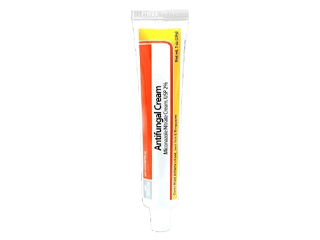
| Available Forms & Strengths | Cream (2%), Oral gel (20 mg/g), Topical powder (2%), Vaginal cream (2%) |
| Manufacturers | Johnson & Johnson, Sandoz Pty Ltd, Arrow Pharma, Ego Pharmaceuticals |
| Prescription Status |
|
Mechanism of Action
In Simple Terms:Miconazole belongs to a class of medicines called 'antifungals'. It works by stopping the growth of fungi and some bacteria. It disrupts the cell membrane of fungi, which causes them to die off. This helps clear yeast and fungal infections on the skin, mouth, and vagina.
For Healthcare Professionals:Miconazole, an imidazole derivative, inhibits synthesis of ergosterol by blocking the fungal enzyme 14α-demethylase. The result is compromised fungal cell membrane integrity, increased permeability, and fungal cell death. It displays both fungistatic and fungicidal activity, also inhibiting some Gram-positive bacteria.
Pharmacokinetics
- Absorption: Minimal systemic absorption when used topically; oral gel may have limited GI absorption.
- Metabolism: Hepatic metabolism following systemic exposure.
- Elimination: Excreted mainly via faeces; trace urinary excretion.
- Onset/Duration: Onset within days; effects last with continued use—treatments often range from a few days to several weeks, depending on the indication.
Use in Everyday Life and Best Practices
Miconazole is widely used in Australia to treat fungal infections such as athlete’s foot, jock itch, ringworm, oral thrush, and vaginal candidiasis. It is also helpful for secondary infections due to bacteria.
- Topical Cream & Powder: Apply a thin layer to affected area 1–2 times daily, gently rubbing it in. Continue for 2–4 weeks, or at least 1 week after symptoms resolve. Wash hands immediately after use.
- Oral Gel: Use the provided spoon or finger to apply the gel on the affected area of the mouth four times daily. Hold gel as long as possible before swallowing. Avoid eating/drinking for at least 30 minutes after application.
- Vaginal Cream/Suppositories: Insert as per pharmacy instructions, usually once daily at bedtime for 3–7 days depending on product.
- Complete the full course even if symptoms improve early.
- Follow all pharmacist or GP instructions, and consult if symptoms persist or worsen.
Dosing in the Morning vs Evening
- Morning Application: Useful for topical infections; allows for maximum absorption and ensures the area stays clean/dry during the day.
- Evening Application: Especially recommended for vaginal products, as lying down helps prevent leakage. Also useful for oral treatments before bedtime to prolong contact time.
- Tip: Aim for a consistent schedule each day for best results. Setting reminders can help, especially for regimens requiring multiple daily applications.
Taking with Food or on an Empty Stomach
- Topical/Vaginal Forms: Not affected by food intake.
- Oral Gel: Ideally use after a meal or snack, as contact with the mucosa is prolonged when the mouth is moist and recently cleaned.
- Australians commonly take oral remedies after breakfast, lunch, and dinner—continue usual meals and healthy diet while using miconazole.
Interaction Warnings
| Substance | Potential Interaction | Advice |
|---|---|---|
| Warfarin & other anticoagulants | Increased bleeding risk | Monitor INR closely; inform doctor/pharmacist |
| Phenytoin, Carbamazepine | Altered antiepileptic levels | Check levels if combined, especially oral gel |
| Statins (Simvastatin, Lovastatin) | Increased risk of side effects (myopathy/rhabdomyolysis) | Avoid combination if possible |
| Alcohol | Minimal interaction | Use alcohol in moderation; may worsen oral thrush |
| Grapefruit juice | Possible increase in side effects | Rare; avoid excessive intake with oral gel |
| Herbal Supplements (St John’s Wort) | Possible reduction in miconazole effect | Mention all supplements to your pharmacist |
Indications
| Indication | Registration Status (Australia) | Notes |
|---|---|---|
| Dermatophytosis (e.g. tinea, ringworm, athlete’s foot) | Registered / PBS-listed for topical use | OTC topical preparations available |
| Candidal skin infections (intertrigo, nappy rash) | Registered | Used in children and adults |
| Oral candidiasis (oral thrush) | Registered for oral gel | Prescription for infants, OTC for adults |
| Vulvovaginal candidiasis | Registered | OTC and prescription forms |
| Pityriasis versicolor | Registered | Specialist advice recommended |
| Off-label: Fungal nail infections | Not PBS-listed for nails | Limited efficacy; other agents preferred |
Dosing According to Clinical Indications
| Indication | Adults | Paediatric | Elderly |
|---|---|---|---|
| Skin infections (cream/powder) | Apply 1–2 times daily; 2–4 weeks | Same as adults; under supervision for infants | Same as adults; monitor skin integrity |
| Oral candidiasis (gel) | 2.5 mL (half teaspoon) 4x daily Hold in mouth as long as possible | 1.25 mL (quarter teaspoon) 4x daily (infants); avoid in <4 months due to choking risk | Same as adults; check for dry mouth |
| Vaginal candidiasis (cream/suppositories) | 5 g (one applicator filled vaginally) once daily for 3–7 days (as per product) | Not routinely used; consult paediatrician | Same as adults; avoid if mobility issues |
Safety Profile and Side Effects
- Common:
- Local irritation, itch, burning, redness (topical/vaginal use)
- Dry mouth, nausea, altered taste (oral gel)
- Rash or peeling (rare with prolonged topical use)
- Uncommon/Rare:
- Allergic reaction (severe redness, swelling, blistering—stop use and seek help)
- Thrombocytopenia, liver enzyme increase (systemic absorption or high-dose use; rare)
- Severe skin reactions (very rare)
- Precautions:
- Do not use in/near the eyes
- Do not use oral gel in infants less than 4 months
- Notify your doctor if pregnant or breastfeeding before use
Guidelines for Proper Use (Australia)
- Wash your hands before and after applying miconazole products.
- Thoroughly dry affected skin before application (essential in humid Australian climates).
- Do not cover treated area with airtight dressings unless instructed by your healthcare provider.
- For oral gel, apply after food and keep gel in contact with the mouth for as long as possible before swallowing.
- Don’t discontinue early—even if symptoms resolve—to prevent recurrence.
- Report signs of allergy or severe irritation to your pharmacist or GP immediately.
- Never share medications, even topical creams, between family members.
- Store in a cool, dry place below 25°C and out of reach of children.
Alternative Treatment Options
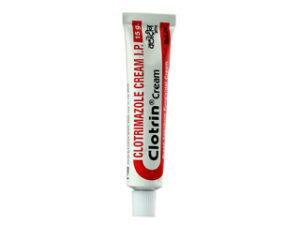
- Clotrimazole (Canesten®): Similar efficacy, widely available OTC, PBS-listed for some indications. Comparable safety and use.
- Econazole (Spectrazole®): Alternative imidazole, similar uses. Prescription for some indications.
- Terbinafine (Lamisil®): Effective especially for dermatophyte infections; available OTC for skin, prescription for nails.
- Oral Fluconazole (Diflucan®): Used for resistant or systemic infections; prescription only, reserved for severe cases.
- Pros/Cons:
- Miconazole: Well-tolerated, broad spectrum, multiple forms.
- Clotrimazole/Econazole: Equally effective for most skin/vaginal yeast infections.
- Terbinafine: Superior for tinea (ringworm, athlete’s foot), less effective for Candida.
- Fluconazole: Convenient single-dose in vaginal thrush, higher risk of interactions/side effects.
Legal, Registration, and Reimbursement Status in Australia
- Therapeutic Goods Administration (TGA): All miconazole products sold in Australia are registered with the TGA, ensuring quality and safety.
- Prescription requirements: Most topical and oral gel miconazole products are available without a prescription; some higher strengths or specialised indications require a GP script.
- Pharmaceutical Benefits Scheme (PBS): Some miconazole items (especially oral gel and paediatric configurations) are PBS-listed for eligible conditions and populations.
- Availability: Readily accessible in community pharmacies, supermarkets, online pharmacy outlets.
- Legal status: S3 (Pharmacist only) for some forms, S2 or unscheduled for others.
Latest Research/Clinical Guidance (2022–2025)
- A 2023 RACGP overview confirms miconazole remains first-line for superficial candidiasis and dermatophytoses.
- A 2024 meta-analysis (PMID: 38356675) highlighted equivalent outcomes between miconazole and clotrimazole, with rare systemic side effects.
- TGA safety updates (2022–2024) report minimal serious reactions; main risks remain with drug interactions in oral gel use, especially anticoagulants.
- National Antifungal Stewardship Programs recommend miconazole as a reliable choice in community and primary care settings.
Availability and Delivery
| Product/Pack Size | Indicative Price (AUD) | Average Delivery (Sydney) | Average Delivery (Melbourne) | Average Delivery (Perth) | Average Delivery (Brisbane) |
|---|---|---|---|---|---|
| 15g cream | $10–14 | 1–2 days | 1–2 days | 3–5 days | 2–3 days |
| 30g cream | $16–20 | 1–2 days | 1–2 days | 3–5 days | 2–3 days |
| Oral gel 40g | $21–28 | 1–2 days | 1–2 days | 3–5 days | 2–3 days |
| Vaginal cream 35g | $15–22 | 1–2 days | 1–2 days | 3–5 days | 2–3 days |
Products are also available in multipacks and often included in pharmacy home delivery services, especially in urban and regional areas.
Frequently Asked Questions (FAQ)
- 1. How long do I need to use miconazole before my symptoms improve?
- Most people notice improvement in 2–5 days, but you should always finish the full course (usually 2–4 weeks for skin, up to 7 days for vaginal/oral use) as advised by your pharmacist or GP, even if symptoms disappear sooner.
- 2. Can I use miconazole if I am pregnant or breastfeeding?
- Miconazole is generally considered safe for use during pregnancy and breastfeeding. However, it's best to speak to your doctor before starting treatment, especially if using the vaginal or oral form.
- 3. Is miconazole effective against all types of fungal infections?
- Miconazole is effective against most superficial skin yeasts and dermatophytes but is not suitable for deep or systemic fungal infections or fungal nail infections (onychomycosis); other medicines may be required in these cases.
- 4. What should I do if I miss a dose?
- Apply the missed dose as soon as you remember. If it's almost time for your next dose, skip the missed one and continue as normal. Do not double the dose.
- 5. Are there any foods I should avoid while using miconazole?
- There are no strict dietary restrictions, but if using the oral gel, try to avoid grapefruit juice and excessive alcohol. Maintain a balanced diet and good oral hygiene.
This information is provided as a general guide only and does not replace advice from your healthcare professional. For individual recommendations, consult your community pharmacist, GP, or approved healthcare provider.