
Clotrimazole: Patient Information for Australia
Basic Product Information
| International Nonproprietary Name (INN) | Clotrimazole |
|---|---|
| Australia Brand Names | Canesten, Lotrimin, Mycelex, Clotrimaderm, Apo-Clotrimazole, Chemists’ Own Clotrimazole |
| ATC Code | D01AC01 |
| Available Forms & Strengths |
|
| Manufacturers | Bayer, Sandoz, Apotex, Sigma, Sanofi-Aventis, various generics |
| Prescription Status | Pharmacist Only Medicine (S3); available without prescription for most topical forms. Some internal/vaginal forms require a prescription. |
Mechanism of Action
For Patients: Clotrimazole is an antifungal medication. It works by stopping the growth of fungi and yeast that cause skin, foot, and genital infections. Clotrimazole damages the membrane of the fungus, preventing it from multiplying and causing infection.
For Specialists: Clotrimazole is an imidazole derivative. It inhibits the biosynthesis of ergosterol, a key component of fungal cell membranes, by blocking the fungal enzyme 14α-demethylase. This leads to cell membrane permeability changes and death of the pathogen.
Pharmacokinetics
Absorption: Minimal systemic absorption when used on intact skin or as topical therapy. For topical/vaginal administration, less than 0.5% enters the bloodstream.
Metabolism: If absorbed, primarily metabolised in the liver by CYP450 enzymes.
Elimination: Excreted predominantly through the bile and faeces; minor renal elimination.
Duration of Action: Residual effect on the skin or mucous membranes can last several hours after application.
Use in Everyday Life & Best Practices
Clotrimazole is commonly used in Australia to treat fungal infections such as athlete’s foot (tinea pedis), jock itch (tinea cruris), ringworm (tinea corporis), candidal nappy rash, thrush (vaginal candidiasis), and fungal skin or nail infections.
- Typical Dosing for Adults: Apply a thin layer to the affected area 2–3 times daily for 2–4 weeks, depending on the condition. For vaginal thrush, usually a single 500 mg pessary, or 100 mg pessary once daily for 6 days.
- Children: Similar dosing as adults for most indications; check with a pharmacist or GP for those under 2 years old.
- Elderly: No dose adjustment is needed unless there is significant frailty or skin integrity concerns.
Always wash and dry the area before application. Continue using clotrimazole for the full course of treatment, even if symptoms improve earlier, to prevent recurrence.
Dosing: Morning vs Evening
- Advantages of Morning Use: Easier to remember as part of your daily routine. In some occupations, prevents moisture build-up during daytime activity.
- Advantages of Evening Use: Overnight application may improve absorption, especially for vaginal thrush (pessary inserted at night can reduce leakage/discomfort).
- Tips for Regularity: Set reminders, use the medicine after main hygiene routines (showers, before bed), and avoid missing doses.
Taking With Food or on an Empty Stomach
For topical and vaginal preparations, food intake does not affect efficacy. For oral or troche (lozenge) forms occasionally available for oral thrush, take after a meal and avoid eating for at least 30 minutes to let the medicine work.
- Australian Dietary Considerations: Typical Australian diets pose no risk of food-drug interaction with clotrimazole topical/vaginal products.
Interaction Warnings
| Interaction | Advice |
|---|---|
| Alcohol | No known interactions for topical/vaginal use. |
| Food | No effect on absorption or efficacy for topical/vaginal forms. |
| Warfarin | Rare interactions with oral forms; monitor INR if long-term topical use over large areas. |
| Other Topical Products | Avoid simultaneous use of irritant/medicated creams on the same site. Allow at least 30 minutes between products. |
| Latex Condoms & Diaphragms | Topical/vaginal clotrimazole (creams or pessaries) can reduce effectiveness of barrier contraception—use alternative contraception during and for several days after treatment. |
Indications (Official & Off-label)
| Condition | Official Use | Off-label Use |
|---|---|---|
| Athlete’s foot (tinea pedis) | Yes | No |
| Jock itch (tinea cruris) | Yes | No |
| Ringworm (tinea corporis) | Yes | No |
| Nappy rash (candidal) | Yes | Yes (other rash types) |
| Vaginal thrush (candidiasis) | Yes | Yes (prevention with antibiotics) |
| Oral thrush (candidiasis) | Yes (topical/oral forms) | No |
| Fungal nail infections | No | Yes (adjunct to oral therapy) |
Dosing According to Clinical Indications
| Clinical Indication | Form | Adults | Children | Elderly |
|---|---|---|---|---|
| Athlete’s foot, Ringworm, Jock itch | Cream/Spray | Apply 2–3x daily for 2–4 weeks | As above | As above |
| Vaginal thrush | Pessary/Cream | 500mg pessary once OR 100mg nightly for 6 nights; cream daily up to 7 days | As above if over 12y (contact GP/Pharmacist if younger) | As above |
| Candidal nappy rash | Cream | — | Apply 2–3x daily, thin layer | — |
| Oral thrush | Troche | 10mg troche 5x daily, 7–14 days | 5mg–10mg troche (as directed by GP) | As above |
Safety Profile & Side Effects
- Common: Mild burning or stinging at the application site; itching; redness; irritation; peeling of skin; mild swelling; abdominal discomfort (vaginal use).
- Rare: Allergic reactions (rash, swelling, difficulty breathing); blistering; urticaria (hives); skin blistering.
- Warning: If you develop severe irritation or signs of allergy, discontinue use and seek medical advice.
| Side Effect | Frequency | Management |
|---|---|---|
| Irritation/Redness | Common | Usually mild; stop if severe |
| Allergic Reaction | Rare | Cease immediately; seek urgent medical help |
| Blistering | Rare | Cease; seek advice |
| Peeling | Uncommon | Usually self-limiting |
| Abdominal Pain (vaginal use) | Uncommon | Monitor; seek advice if severe |
Guidelines for Proper Use (Australian Context)
- Wash and dry the skin before applying the cream.
- Apply a thin layer, gently rubbing into the affected area and 2 cm around the lesion.
- For foot infections, dry between toes thoroughly and use clean cotton socks.
- Avoid sharing towels or clothing with others during treatment.
- If symptoms persist beyond the recommended treatment period, consult a pharmacist or GP.
- For vaginal thrush, complete the full course (even if symptoms improve early).
- Clotrimazole creams may weaken latex condoms/diaphragms; use alternative protection for at least 5 days after treatment.
Alternative Treatment Options
| Alternative | Type | Pros | Cons | Prescription/Reimbursement Status |
|---|---|---|---|---|
| Miconazole | Topical | Similar efficacy; often less irritation | Rare interactions with blood thinners | OTC; PBS subsidised for select conditions |
| Terbinafine | Topical/Tablets | Shorter duration for tinea; effective for nail | Systemic tablets need prescription; side-effect risk | Tablets: Rx only, PBS listed; cream OTC |
| Econazole | Topical | Effective for skin/vaginal fungal infections | Less available | OTC for cream/vaginal; some PBS listing |
| Fluconazole | Oral | Single-dose thrush treatment; convenient | Rx only; not for everyone | Rx only; PBS listed for certain cases |
Legal, Registration, and Reimbursement Status in Australia
- Regulation: Registered with the Therapeutic Goods Administration (TGA) as a non-prescription “Pharmacist Only” medicine for topical/vaginal forms; prescription required for oral forms.
- NFZ Reimbursement: Not directly applicable; under Australia, eligible patients may receive subsidised antifungals via the Pharmaceutical Benefits Scheme (PBS) when prescribed by a GP for certain conditions.
- Pharmacy Practice: Available at most pharmacies, chemists, and online pharmacy services.
- Legal Status: S3 (Pharmacist Only Medicine)—ask your community pharmacist if unsure.
Latest Research & Clinical Guidance (2022–2025)
Recent clinical guidelines by the Australasian Society for Infectious Diseases (ASID) and the Therapeutic Guidelines Australia (2022–2024) confirm that clotrimazole remains a first-line option for superficial fungal infections due to its safety, low resistance profile, and ease of access.
Studies published between 2022–2025 (e.g., Australian Journal of General Practice) support its continued use, indicating no increase in clinically significant resistance. Combination therapy with corticosteroids should be reserved for inflammatory tinea only and limited to short durations (<2 weeks).
Modern studies also highlight that adherence and proper application improve cure rates, particularly in tinea pedis and vaginal thrush. (See: Therapeutic Guidelines Australia, Dermatology 2024; ASID Fungal Infections Update, 2023.)
Availability & Delivery
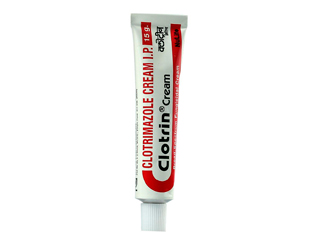
Clotrimazole is widely available in community pharmacies, major supermarket chemists, and online. Common pack sizes include 20g and 50g tubes of cream, 3 or 6-pack vaginal pessaries, and 100g powder. Prices may vary by brand:
| Product/Pack | Indicative Retail Price |
|---|---|
| Clotrimazole 1% Cream, 20g | $7.99–$12.99 |
| Clotrimazole 1% Cream, 50g | $14.99–$19.99 |
| Clotrimazole Vaginal Pessary 500mg (1-dose) | $16.99–$21.99 |
| Clotrimazole Solution/Spray, 20mL | $11.99–$15.99 |
Typical Delivery Times Online (business days):
| Location | Click & Collect | Standard | Express |
|---|---|---|---|
| Sydney | Same day | 1–2 days | Next day |
| Melbourne | Same day | 1–2 days | Next day |
| Brisbane | Same day | 1–3 days | 1 day |
| Perth | Next day | 3–5 days | 1–2 days |
| Adelaide | Same day | 1–2 days | Next day |
Frequently Asked Questions (FAQ)
- 1. Do I need a prescription for clotrimazole?
Most clotrimazole creams and pessaries are available directly from your pharmacist in Australia (S3 Pharmacist Only Medicine). Some forms, like oral lozenges or higher strength vaginal pessaries, may require a doctor’s prescription. - 2. How quickly will clotrimazole start working?
You may feel improvement in symptoms within a few days, but always complete the full treatment course (usually 2–4 weeks for skin infections, 1–6 days for vaginal thrush) to fully clear the infection. - 3. Is clotrimazole safe in pregnancy or breastfeeding?
Topical and vaginal products are considered safe in pregnancy and breastfeeding; avoid oral forms unless directed by your doctor. Discuss with your GP or pharmacist before use. - 4. What should I do if I miss a dose?
Apply the missed dose as soon as you remember. If it’s almost time for your next dose, skip the missed dose and continue as normal. Never double up doses. - 5. Can I use clotrimazole with other medicines?
Clotrimazole creams rarely interact with other medicines, but always tell your pharmacist about all your medicines, including herbal and over-the-counter products. Ask about possible interactions if you are taking warfarin or using other medicated skin products.
This information is for general educational purposes and does not replace professional medical advice. For diagnosis, personalised recommendations or emergencies, contact your doctor or pharmacist.