Griseofulvin: Patient Information for Australia
Basic Product Information
| International Non-Proprietary Name (INN): | Griseofulvin |
|---|---|
| Brand Names in Australia: | Grisovin, Grifulvin V |
| ATC Code: | D01AA08 |
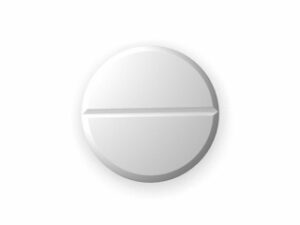
| Available Forms & Strengths: | Tablets (125 mg, 250 mg, 500 mg) |
| Manufacturers: | Alphapharm Pty Ltd, Aspen Pharmacare Australia, Arrow Pharma |
| Prescription Status: | Prescription Only (Schedule 4, S4) |
Griseofulvin is an antifungal medication used in Australia to treat fungal infections of the skin, hair, and nails. It is only available on prescription through your doctor or pharmacist. Your doctor may have prescribed this medicine for another reason; always use as directed.
How Griseofulvin Works (Mechanism of Action)
For Patients:
Griseofulvin works by stopping the growth of fungi that cause infections. It targets the “building blocks” inside fungus cells, making it hard for them to multiply or survive. This helps your body clear up the affected areas over time.
For Health Professionals:
Griseofulvin acts primarily by binding to fungal microtubules, disrupting mitotic spindle formation during metaphase, thus inhibiting cell division. It also binds to keratin precursor cells, rendering newly formed keratin resistant to fungal invasion.
Pharmacokinetics
- Absorption: Incomplete but increases when taken with fatty foods; peak levels 4–8 hours after dosing.
- Distribution: Concentrated in keratin-rich tissues; crosses the placenta.
- Metabolism: Extensively metabolised in the liver (via CYP450), producing mainly 6-demethylgriseofulvin.
- Elimination: Primarily in urine (as metabolites); small amounts in faeces.
- Duration of Action: Long-lasting; treatment courses usually last several weeks to months.
Use in Everyday Life & Best Practices
- Follow your doctor’s dosage instructions closely; finish the entire prescribed course even if symptoms improve early.
- Griseofulvin is usually taken once or twice daily. Try to take it at the same time each day.
- For best results, take tablets with a meal containing some fat (such as milk or buttered toast), as this helps your body absorb the medicine more effectively.
- Swallow tablets whole with water; do not crush or chew unless your pharmacist has advised otherwise.
- Maintain good personal hygiene and avoid sharing towels, combs, shoes or nail clippers during treatment.
- Typical treatment duration varies: skin infections (2–6 weeks), scalp or hair infections (4–8 weeks), nail infections (up to 6 months).
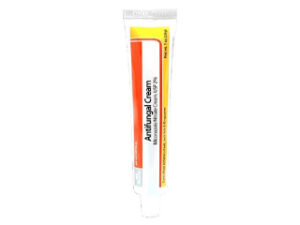
Your doctor may also recommend antifungal creams for local use in addition to Griseofulvin.
Dosing in the Morning vs Evening
Griseofulvin may be taken at any time of day. However:
- Morning: Taking with breakfast can improve absorption and fits well with daily routines.
- Evening: Some prefer evening dosing if morning schedules are busy. If stomach upset occurs, night dosing may help.
Taking with Food or on an Empty Stomach
With Food: Griseofulvin is much better absorbed with a meal, especially one high in fat (e.g., eggs on toast, avocado). For Australians, taking it with a traditional breakfast or main meal is ideal.
Without Food: May be less effective, so it's best to avoid taking on an empty stomach unless advised otherwise.
Tip: Dairy foods, such as a glass of milk or yoghurt, are good options commonly found in the English diet and help your body absorb the medicine.
Interaction Warnings
| Interaction | Effect / Recommendation |
|---|---|
| Alcohol | May increase risk of side effects (e.g., flushing, rapid heartbeat); avoid or limit alcohol use. |
| Oral contraceptives ("the pill") | Griseofulvin may reduce effectiveness of hormonal contraceptives; use additional non-hormonal contraception. |
| Warfarin | Can reduce blood-thinning effect (risk of clotting); your doctor may adjust the dose. |
| Barbiturates (e.g. phenobarbital) | May lower griseofulvin levels, making it less effective. |
| Cyclosporine | Blood levels may decrease; monitor closely if taking post-transplant medications. |
| Foods | Fatty foods (e.g., full-cream milk, avocado) increase absorption; preferred method. |
Indications
| Indication | Status |
|---|---|
| Ringworm (Tinea corporis, Tinea cruris, Tinea pedis) | Approved |
| Scalp ringworm (Tinea capitis) | Approved |
| Fungal infection of nails (Onychomycosis) | Approved |
| Groin/jock itch (Tinea cruris) | Approved |
| Pityriasis versicolor | Not routinely; off-label |
| Other skin fungal infections | Approved |
Griseofulvin should not be used for candida (yeast/thrush), bacterial, or viral infections.
Dosing According to Clinical Indications
| Population | Usual Daily Dose | Course Duration |
|---|---|---|
| Adults | 500–1,000 mg daily (in 1 or 2 divided doses) | 2–6 weeks (skin), 4–8 weeks (scalp), 3–6 months (nails) |
| Children >2 years | 10–20 mg/kg daily, maximum 1,000 mg/day | As above; confirmed by doctor |
| Elderly | Same as adults; monitor for liver or kidney impairment | As above |
Note: Dosage and duration may be adjusted by your prescriber. Do not exceed recommended dose.
Safety Profile & Side Effects
| Side Effect | Frequency | Notes |
|---|---|---|
| Headache | Common | May occur early in treatment |
| Stomach upset, nausea, vomiting | Common | Reduce by taking with food |
| Rash, skin allergy | Uncommon | Consult doctor if severe |
| Photosensitivity (skin sensitivity to sun) | Uncommon | Use sunscreen, wear protective clothing |
| Dizziness, fatigue | Less common | Take care with driving or machinery |
| Liver problems (jaundice, hepatitis) | Rare | Seek medical help if yellowing of skin/eyes, dark urine |
| Serious allergic reaction (anaphylaxis) | Very rare | Medical emergency: swelling, breathing difficulty, call 000 |
If you notice any side effects, contact your doctor or pharmacist. Serious reactions are rare but require immediate attention.
Guidelines for Proper Use (Australia)
- Always follow dosing instructions provided by your doctor or pharmacist.
- Complete the full course to prevent recurrence of infection.
- Tell your healthcare provider if you are pregnant, planning pregnancy, or breastfeeding.
- Avoid sun exposure; use sunscreen and wear hats/outdoor cover when outside.
- Do not share your medicine with others, even if they have similar symptoms.
- Attend follow-up appointments to monitor your treatment’s effectiveness and check for side effects.
- Keep medicine in original packaging, away from heat and moisture, out of reach of children.
- If you miss a dose, take it as soon as you remember, but if it’s close to your next dose, skip the missed dose—do not double up.
- If you experience persistent vomiting, jaundice, or an allergic reaction, seek medical help urgently.
Alternative Treatment Options
- Terbinafine (Lamisil, APO-Terbinafine)
- Pros: Often more effective and shorter treatment for nail/skin infections
- Cons: Not always suitable for children, more costly if not subsidised
- Itraconazole (Sporanox)
- Pros: Useful for resistant infections or when griseofulvin is not tolerated
- Cons: More drug interactions, may affect heart
- Fluconazole (Diflucan)
- Pros: Broader antifungal spectrum
- Cons: Not usually first-choice for dermatophyte infections
- Topical Antifungals
- Pros: Convenient for small/localised skin infections
- Cons: Not effective for nail/hair infections
Many alternatives are subsidised by the Pharmaceutical Benefits Scheme (PBS) in Australia if prescribed for eligible indications.
Legal, Registration & Reimbursement Status in Australia
- Australian Register of Therapeutic Goods (ARTG): Registered and approved.
- TGA (Therapeutic Goods Administration): Monitors quality, safety, and ongoing regulation.
- PBS (Pharmaceutical Benefits Scheme): Griseofulvin is available on the PBS for specific fungal infections when alternatives are unsuitable.
- Prescription Requirements: Prescription only (Schedule 4); not available over the counter.
Latest Research & Clinical Guidance (2022–2025)
- 2024 Australian Prescriber review recommends terbinafine over griseofulvin for tinea capitis and nail infections due to higher cure rates and shorter courses; griseofulvin reserved for cases where alternatives are unsuitable.
(Australian Prescriber, 2024) - World Health Organization (WHO) Guidelines 2023 still list griseofulvin as an option for paediatric scalp ringworm (tinea capitis), especially where terbinafine is not available or tolerated.
- Recent clinical trials confirm good safety for griseofulvin in children and adults but emphasise monitoring for liver side effects in long-term therapy.
(British Journal of Dermatology, 2023)
Availability and Delivery in Australia
| Pack Size | Tablets | Approximate Price (PBS subsidised) |
|---|---|---|
| 125 mg x 100 | 100 | $20–$30 |
| 250 mg x 28 | 28 | $12–$20 |
| 500 mg x 14 | 14 | $15–$28 |
| City | Estimated Delivery (Online Pharmacy, Business Days) |
|---|---|
| Sydney | 1–2 |
| Melbourne | 1–2 |
| Brisbane | 2–3 |
| Perth | 3–5 |
| Adelaide | 2–3 |
| Hobart | 2–5 |
| Rural/Remote | Up to 7 |
Prices are indicative and may vary with local pharmacy rates and dispensing fees.
Frequently Asked Questions (FAQ)
- How long does Griseofulvin take to work?
Most people notice early improvement in 2–4 weeks, but full recovery—especially with nail infections—may take months. Always complete the full course as prescribed. - Can I drink alcohol while taking Griseofulvin?
It’s best to avoid or limit alcohol while taking Griseofulvin due to the risk of increased side effects, such as flushing or rapid heartbeat. - What if I miss a dose?
Take the missed dose as soon as you remember. If it’s almost time for your next dose, skip the missed dose—do not double up. - Can children take Griseofulvin?
Yes, Griseofulvin is commonly prescribed for children (over 2 years old) with scalp ringworm; dosing is based on weight and guided by a doctor. - Is Griseofulvin safe in pregnancy or breastfeeding?
Griseofulvin is not recommended during pregnancy or breastfeeding. Use effective contraception while taking and for 1 month after the last dose; speak to your doctor for alternatives if needed.
If you have any other questions, contact your local pharmacist, doctor, or call healthdirect Australia (1800 022 222) for free and confidential medical advice 24/7.