Grifulvin (Griseofulvin): Comprehensive Patient Guide
Basic Product Information
| International Non-Proprietary Name (INN) | Griseofulvin |
|---|---|
| Australia Brand Names | Gris-PEG, Grisovin, Grifulvin V |
| ATC Code | D01AA08 |
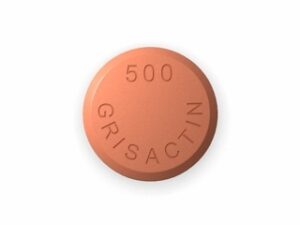
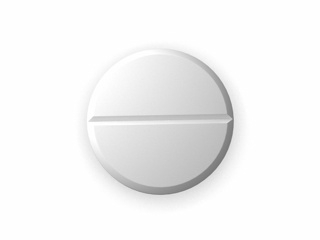
| Available Forms & Strengths | Tablets (125 mg, 250 mg, 500 mg) |
| Manufacturers | Multiple, including Aspen Pharmacare Australia, Pfizer Australia |
| Prescription Status | Prescription Only (Schedule 4, S4 medicine) |
Mechanism of Action
For Patients: Griseofulvin works by stopping the growth of certain types of fungi, making it easier for your body to eliminate the infection. It is especially effective for fungal infections that affect the hair, nails, and skin.
For Specialists: Griseofulvin exerts its antifungal effects by binding to microtubular proteins, thus inhibiting fungal mitosis. It disrupts spindle function during metaphase and is deposited in keratin precursor cells, rendering newly formed keratin resistant to fungal invasion.
Pharmacokinetics
- Absorption: Griseofulvin is best absorbed when taken with fatty foods, which can significantly increase bioavailability.
- Metabolism: Undergoes hepatic metabolism, producing active and inactive metabolites.
- Elimination: Mainly excreted via urine as metabolites; some is eliminated in faeces.
- Duration of Action: Half-life is roughly 9–24 hours, encouraging once or twice daily dosing.
Use in Everyday Life and Best Practices
Griseofulvin is most frequently used for fungal infections that do not respond well to topical treatments. This includes ringworm (tinea) of the scalp or beard, onychomycosis (nail infections), and severe or widespread tinea corporis (body) and tinea pedis (feet). It is rarely used for minor skin infections where topical antifungals are usually enough.
- Typical Adult Dosage: 500–1,000 mg daily in divided doses, based on infection severity and location.
- Pediatric Dosage: Usually 10–20 mg/kg daily, not exceeding the adult dose.
- Elderly: Start at the lower end of the adult dose range and monitor for side effects.
- Duration: Varies by infection (2–6 weeks for skin, up to 6–12 months for nails).
Always complete the prescribed course, even if symptoms improve earlier, to prevent the infection from coming back.
Dosing in the Morning vs Evening
- Morning Dose: May be easier to remember if taken with breakfast; can be more convenient for school children or shift workers.
- Evening Dose: Suitable if you experience daytime nausea or have trouble with morning routines.
- Tip: Take Griseofulvin at the same time each day with a substantial meal for best absorption and to maintain steady levels in the body.
Taking with Food or on an Empty Stomach
- With Food: Strongly recommended. Griseofulvin’s absorption significantly improves when taken with fatty meals (e.g., eggs, cheese, avocado, oily fish, or full-cream milk). Traditional English breakfast foods with healthy fats are ideal.
- On Empty Stomach: Not recommended. Dramatically reduces effectiveness.
Interaction Warnings
Always discuss all medicines and supplements you’re taking with your pharmacist or doctor before starting Griseofulvin.
| Type of Interaction | Examples | Effect/Advice |
|---|---|---|
| Food | Fatty meals | Increases absorption (take with food) |
| Alcohol | Beer, wine, spirits | May cause flushing, tachycardia; avoid alcohol to prevent reaction |
| Medicines | Warfarin, oral contraceptives, barbiturates, cyclosporin | Can reduce effectiveness or increase toxicity; may require dose adjustment/monitoring |
| Herbal Supplements | St John’s Wort | May reduce plasma levels of griseofulvin |
Indications (Uses)
| Condition | Official Use | Off-Label Use |
|---|---|---|
| Tinea capitis (scalp ringworm) | Yes | No |
| Tinea barbae (beard ringworm) | Yes | No |
| Tinea corporis (body ringworm) | Yes – severe, unresponsive cases | No |
| Tinea unguium (nail fungus, onychomycosis) | Yes | No |
| Tinea pedis (athlete's foot) | Rare cases only | No |
| Other deep mycoses, non-dermatophyte infections | No | No |
Dosing According to Clinical Indication
| Indication | Adults | Children (10–20 mg/kg) | Elderly | Approximate Duration |
|---|---|---|---|---|
| Tinea capitis | 500 mg daily or 250 mg BD | 10–20 mg/kg daily (max 1 g) | Start lower dose | 6–8 weeks |
| Tinea corporis/cruris | 500 mg daily | 10–20 mg/kg daily | As above | 2–4 weeks |
| Tinea unguium (nails) | 500–1,000 mg daily | 10–20 mg/kg daily | Monitor closely | 6–12 months often needed |
Safety Profile & Side Effects
Most people tolerate Griseofulvin well, but as with all medicines, side effects are possible. Inform your pharmacist or doctor if you have any unusual symptoms.
| Frequency | Side Effect |
|---|---|
| Common | Headache, nausea, vomiting, diarrhoea, indigestion, fatigue |
| Less Common | Rash, photosensitivity (increased risk of sunburn), dizziness |
| Rare | Severe allergic reactions, liver dysfunction (jaundice), confusion |
| Warnings | Not recommended in pregnancy; use effective contraception during and after therapy. Monitor for liver and kidney issues in at-risk patients. |
Guidelines for Proper Use (Australia Conditions)
- Always take as prescribed by your doctor or pharmacist.
- Consume with a fatty meal — this is essential for best absorption.
- Protect skin from sunlight and use SPF 30+ sunscreen. Griseofulvin can increase sun sensitivity, and Australia’s UV exposure is among the highest in the world.
- Complete the entire prescribed course, even if you feel better.
- Report any signs of allergic reaction (difficulty breathing, swelling, rash) or jaundice (yellowing eyes/skin) immediately.
- Avoid alcohol while taking Griseofulvin to prevent adverse reactions.
- Do not use during pregnancy. Effective contraception is essential for women of childbearing age and men (due to potential sperm impact, wait at least 6 months post-treatment before conception).
- Keep out of reach of children.
Alternative Treatment Options (Australia)
- Terbinafine: First-line oral agent for many nail and skin fungal infections; shorter course and higher cure rates for onychomycosis. Pros: Generally better tolerated, less frequent dosing. Cons: Not always suitable for tinea capitis in children.
- Itraconazole: Broad-spectrum antifungal, useful for nail and refractory skin infections. Pros: Short dermal courses; Cons: Not for everyone (drug interactions, heart/liver issues).
- Fluconazole: Useful in some tinea and candidal infections, alternative when other agents are contraindicated. Pros: Once-weekly dosing for some infections; Cons: May be less effective for dermatophyte infections.
- Topical antifungals: Clotrimazole, terbinafine cream, miconazole — for localised or mild infections only. Not effective for nails or scalp.
These alternatives are generally covered under the Australian Pharmaceutical Benefits Scheme (PBS), but eligibility and reimbursement may vary.
Legal, Registration & Reimbursement Status in Australia
- Legal Class: Schedule 4 (Prescription Only Medicine)
- Registered with: Therapeutic Goods Administration (TGA), Australia
- Subsidy Status: Eligible for some PBS reimbursement — check with your pharmacy, as not all indications are subsidised.
- Prescription Requirements: Doctor’s script required; cannot be sold over-the-counter.
Latest Research & Clinical Guidance (2022–2025)
- Guidelines: Recent Australian guidelines (eTG, updated 2023) still recommend Griseofulvin as first-line for tinea capitis in children, though terbinafine is preferred for most adult nail and skin infections.
- Evidence Review: A 2022 meta-analysis found higher cure rates and fewer relapses with terbinafine over Griseofulvin for nail infections, but Griseofulvin remains a mainstay for scalp fungus.
- Safety: Recent pharmacovigilance data confirms safety profile in Australia remains unchanged, though sun precautions are increasingly emphasized due to high UV indices.
- References: eTG complete (2023); Australian Prescriber (2024, 47(2):43–50); BMJ 2023;376:e069774.
Availability and Delivery
| Pack Size | Typical Pharmacy Price (AUD) | Delivery Times (Sydney, Melbourne, Brisbane, Perth, Adelaide) |
|---|---|---|
| 20 tablets (250 mg) | $12–$26 | 1–2 days (Sydney, Melbourne, Brisbane); 2–4 days (Perth, Adelaide) |
| 60 tablets (250 mg) | $30–$65 | 1–2 days (metro), up to 5 days (regional/remote) |
| Special orders (500 mg tabs) | Price on request | 3–7 days (all cities) |
Frequently Asked Questions (FAQ)
- How long do I have to take Griseofulvin?
Duration depends on the infection site: 2–4 weeks (skin), 6–8 weeks (scalp), 6–12 months (nails). Do not stop early unless instructed by your doctor. - Can I drink alcohol while on Griseofulvin?
No. Combining with alcohol can trigger unpleasant reactions (flushing, vomiting, palpitations). - What should I do if I miss a dose?
Take it as soon as you remember. If it’s almost time for your next dose, take only that one — do not double up. - Is Griseofulvin safe during pregnancy or breastfeeding?
No. It can cause harm to the developing baby. Use effective contraception during treatment and for at least 6 months afterwards. Avoid while breastfeeding. - How do I reduce the risk of side effects?
Always take with fatty meals, avoid sun exposure, don’t drink alcohol, and keep regular check-ups with your pharmacist or doctor.
For further advice, please consult your doctor, pharmacist, or contact your local Australian pharmacy for reliable, up-to-date information.