Terbinafine: Patient-Friendly Medicine Guide for Australia
Basic Product Information
| International Non-Proprietary Name (INN) | Terbinafine |
| Common Australia Brand Names | Lamisil®, Tamsil®, APO-Terbinafine, GenRx Terbinafine |
| ATC Code | D01BA02 |
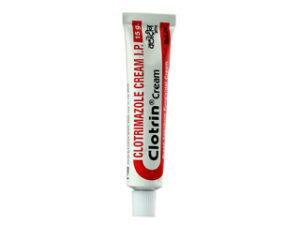
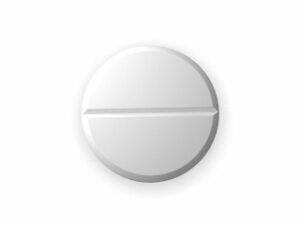
| Available Forms and Strengths | Tablets (250 mg), Cream (1%), Gel (1%), Spray (1%) |
| Major Manufacturers (Australia) | Novartis, Alphapharm, Apotex, Sandoz, others |
| Prescription Status | Tablets: Prescription only (S4). Creams/gels/sprays: Pharmacy/Pharmacist only medicine (S2/S3). |
Mechanism of Action
For Patients: Terbinafine works by stopping the growth of fungi, making it an effective treatment for fungal infections of the skin and nails. It targets an important part of the fungus’ structure, leading to its destruction.
For Specialists: Terbinafine is an allylamine antifungal agent. Its primary action is inhibition of the squalene epoxidase enzyme, resulting in ergosterol synthesis blockade, increased intracellular squalene accumulation, and cell membrane disruption, causing fungicidal activity, especially against dermatophytes.
Pharmacokinetics
- Absorption: Terbinafine is well absorbed when taken orally (about 70%).
- Metabolism: It is processed mainly in the liver by cytochrome P450 enzymes (CYP2C9, CYP1A2, CYP3A4, CYP2C8 and CYP2C19).
- Elimination: Mostly eliminated via urine as inactive metabolites; less than 1% excreted unchanged.
- Duration of Action: Terbinafine has a long half-life (200–400 hours) due to deposition in skin, nails, and fatty tissue. Therapeutic concentrations remain in nails/skin for weeks after treatment completes.
Use in Everyday Life and Best Practices
Terbinafine is commonly used in Australia for treating fungal nail infections (onychomycosis), athlete’s foot (tinea pedis), jock itch (tinea cruris), ringworm (tinea corporis), and tinea of the scalp (tinea capitis). Shorter courses (1–2 weeks) are typical for skin infections; longer treatment (usually 6–12 weeks) is necessary for nail infections.
- Tablets: Always swallow whole with water. Follow the course even if symptoms improve to prevent recurrence.
- Topical (cream/gel/spray): Wash and dry affected area, apply a thin layer, wash hands after. Avoid contact with eyes.
- Hygiene: Maintain good hygiene. Keep feet dry, change socks regularly, and avoid sharing towels.
- For pediatric use: Not commonly recommended except for specific situations, such as tinea capitis.
Dosing: Morning vs Evening
- Timing: Terbinafine tablets can be taken at any time of day, but taking them at the same time daily helps ensure you don’t miss doses.
- Morning: May help create a routine, especially if you take other morning medications. Less likely to be forgotten.
- Evening: Suits those with morning rush or who take other medicines at night.
- Tip: Choose the time that best fits your schedule. Set a reminder if needed.
Taking Terbinafine with Food or On an Empty Stomach
Terbinafine tablets may be taken with or without food. Food can slightly slow absorption but does not reduce its effectiveness. In Australian dietary habits, tablets are often taken with breakfast or dinner. If you experience mild stomach upset, take with food or milk.
Interaction Warnings
| Substance Type | Interaction | Advice |
| Alcohol | Possible increased risk of liver side effects | Limit alcohol consumption or avoid during treatment |
| Caffeine | Terbinafine can increase blood caffeine levels | Monitor for insomnia or restlessness; reduce caffeine intake if needed |
| Antidepressants (e.g., amitriptyline, SSRIs) | Can increase or decrease blood levels | Consult GP/pharmacist, monitor for mood/side effects |
| Beta-blockers (e.g., metoprolol) | Blood levels can rise, leading to side effects | Monitor heart rate and side effects, inform GP |
| Cyclosporin | Terbinafine may lower cyclosporin levels | Frequent blood level monitoring if combined |
| Warfarin | May alter anticoagulant effect | INR monitoring needed, inform prescriber |
| Rifampicin | Lowers terbinafine blood levels | Avoid combination if possible |
| Cimetidine | Raises terbinafine blood levels | Monitor for extra side effects |
| St John’s Wort | Can reduce terbinafine effectiveness | Not recommended. Discuss alternatives |
Indications
| Indication | Status (Australia) | Notes |
| Onychomycosis (nail fungal infections) | Approved | Main oral indication |
| Tinea corporis (ringworm) | Approved (topical/oral) | Short courses |
| Tinea cruris (jock itch) | Approved (topical/oral) | Short courses |
| Tinea pedis (athlete’s foot) | Approved (topical/oral) | Short courses |
| Tinea capitis (scalp ringworm) | Off-label (oral), but guideline supported for paediatric use | Specialist advice required |
| Pityriasis versicolor | Off-label (topical) | Not first-line |
Dosing According to Clinical Indication
| Condition | Adults | Paediatrics | Elderly |
| Onychomycosis | 250 mg orally once daily for 6–12 weeks (toenails up to 12 wks; fingernails usually 6 wks) | Individualized; usually weight-based dose (only with specialist advice) | Same as adults; monitor kidney/liver function |
| Tinea corporis/cruris | 250 mg orally once daily for 2–4 weeks; or cream/gel daily 1–2 wks | Same, adapted per body weight and guidance | Same as adult; monitor for side effects |
| Tinea pedis | 250 mg orally once daily for 2–6 weeks; or cream/gel daily for 1–2 wks | Topical preferred; oral by specialist advice | Same as adult |
| Tinea capitis | Off-label | Oral form, 4–6 wks, weight-based (specialist) | Rarely used |
Safety Profile & Side Effects
- Common (1–10%):
- Gastrointestinal upset (nausea, diarrhoea, indigestion)
- Taste disturbance or loss
- Rash, minor skin reactions
- Headache
- Muscle or joint pain
- Uncommon/Rare (<1%):
- Liver injury/hepatitis (watch for yellow eyes/skin, dark urine)
- Severe skin reactions (Stevens–Johnson Syndrome, toxic epidermal necrolysis)
- Pancytopenia, neutropenia
- Anaphylaxis
- Psoriasiform eruptions
- Warnings:
- Liver and kidney function tests may be needed pre-treatment for long courses
- Discontinue and seek immediate medical advice if severe rash, jaundice, or persistent nausea develop
- Topical products rarely absorbed systemically; major reactions very rare
Guidelines for Proper Use
- Stick to prescribed course duration even if symptoms improve early
- Do not share medication with others
- Maintain foot/nail hygiene; dry thoroughly after washing, especially between toes
- Wear breathable cotton socks; change daily
- Apply topical products to all affected and surrounding skin
- Report persistent or severe side effects to your doctor or pharmacist
- Contact your pharmacy or practice nurse for advice on dose timing if you miss a dose
Alternative Treatment Options (Australia PBS Reimbursed)
| Medicine | Form | Indications | Pros | Cons |
| Itraconazole | Capsule | Nail/skin fungal infections | Useful if Terbinafine not tolerated | More drug interactions |
| Fluconazole | Capsule | Candida and some dermatophyte infections | Once weekly dosing possible | Not first-line for dermatophytes |
| Topical azoles (e.g. clotrimazole, miconazole) | Cream/spray | Skin infections | No systemic side effects | Not effective for nail infections |
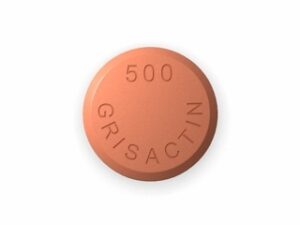
| Griseofulvin | Tablet | Tinea capitis in children | Paediatric experience | Longer treatment, more side effects |
Legal, Registration, and Reimbursement Status in Australia
- Regulatory Approval: TGA (Therapeutic Goods Administration)
- Prescription Requirements: Oral Terbinafine requires a doctor’s prescription (Schedule 4). Topical products sold over the counter at pharmacies (Schedule 2/3).
- Reimbursement: Many Terbinafine products reimbursed under the PBS (Pharmaceutical Benefits Scheme) in Australia for approved indications.
- Availability: Widely stocked in community and online pharmacies.
Latest Research and Clinical Guidance (2022–2025)
- Recent Australian guidelines (eTG, 2023 update) continue to recommend oral Terbinafine as first-line for dermatophyte onychomycosis, with topical reserved for mild cases.
- Meta-analyses (BMJ, 2022; Lancet Infect Dis, 2024) show superior cure rates and lower relapse compared to azole antifungals for nail infections.
- Safety monitoring for liver function is supported in patients on courses longer than 4 weeks, especially the elderly or those with comorbidities (Australian Prescriber, 2024).
- Emerging resistance: A small but rising incidence of terbinafine-resistant Trichophyton species is being reported worldwide; alternatives may be needed in treatment failures (JAMA Dermatol, 2025).
Availability and Delivery
| Pack Size (Australia) | Form | Indicative Price | Delivery to Sydney | Delivery to Melbourne | Delivery to Brisbane | Delivery to Perth |
| 14 tablets | 250 mg (oral) | $22–$35 | Next day | 1–2 days | 1–2 days | 3 days |
| 28 tablets | 250 mg (oral) | $37–$49 | Next day | 1–2 days | 1–2 days | 3 days |
| 15 g tube | Cream 1% | $14–$18 | Next day | 1–2 days | 1–2 days | 3 days |
Prices and delivery times may vary. Most major urban centres offer next-day online pharmacy delivery; regional areas may take longer.
Frequently Asked Questions (FAQ)
- Q1: Can I drink alcohol while taking Terbinafine?
A: It is best to limit or avoid alcohol, as both Terbinafine and alcohol can affect your liver. - Q2: What happens if I miss a dose?
A: Take your missed dose as soon as you remember. If it is nearly time for your next dose, skip the missed dose—do not double up. - Q3: How soon will Terbinafine start working?
A: You may start to see symptom improvement in one week but full cure, especially for nail infections, can be seen months after completing the course. - Q4: Is Terbinafine safe in pregnancy or breastfeeding?
A: The safety of Terbinafine oral tablets in pregnancy and breastfeeding is not well established. Discuss with your doctor before starting. - Q5: Will my nail look normal immediately after treatment?
A: No. Even after the fungal infection clears, the nail needs time to grow out and look healthy, which may take several months.