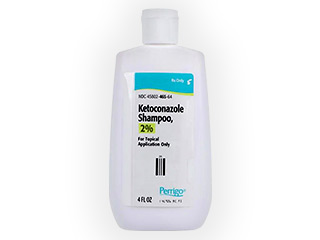
Nizoral Shampoo (Ketoconazole 2%) – Patient-Friendly Information for Australia
Basic Product Information
| International Non-Proprietary Name (INN) | Ketoconazole |
|---|---|
| Common Brand Names in Australia | Nizoral Shampoo, Sebizole, Dandrazol |
| ATC Code | D01AC08 |
| Available Forms & Strengths | Topical Shampoo, 2% Ketoconazole |
| Manufacturers | Johnson & Johnson Pacific Pty Ltd and generic manufacturers |
| Prescription Status in Australia | Pharmacist Only Medicine (Schedule 3, S3). Available without a prescription after consultation with a pharmacist. |
Mechanism of Action
In simple terms: Nizoral Shampoo contains ketoconazole, an antifungal agent designed to treat fungal infections of the scalp, such as dandruff, seborrhoeic dermatitis, and pityriasis versicolor. It works by killing the fungus and preventing its growth, which relieves symptoms like itching, redness, and flaking.
For specialists: Ketoconazole inhibits ergosterol synthesis in fungal cell membranes by blocking cytochrome P450-dependent 14α-demethylase, leading to increased membrane permeability and cell death.
Pharmacokinetics
- Absorption: Minimal systemic absorption when applied as a shampoo; acts primarily on the skin and scalp.
- Metabolism: Very little reaches the bloodstream to be metabolised; topical application avoids first-pass metabolism.
- Elimination: Any minute amounts absorbed are eliminated mainly in faeces and urine.
- Duration of Action: The antifungal effect typically lasts for up to a week after washing.
Use in Everyday Life & Best Practices
Nizoral Shampoo is commonly used to manage dandruff and seborrhoeic dermatitis, skin conditions often seen in all age groups in Australia. Australians typically use Nizoral when experiencing scalp flaking or itching, especially during times of increased humidity or stress. For best results, follow these steps:
- Wet hair and scalp thoroughly.
- Apply a small amount (roughly a teaspoon) of shampoo and massage into scalp to form a lather.
- Leave on scalp for 3–5 minutes before rinsing thoroughly.
- Repeat as recommended (usually 2–3 times per week).
- For maintenance, reduce use to once weekly, or as your healthcare provider recommends.
Avoid contact with eyes. If shampoo enters eyes, rinse immediately with water. Suitable for all hair types and coloured hair.
Dosing: Morning vs Evening Use
- Morning use: May be preferable for those with busy evenings. Allows for daylight monitoring of scalp comfort during the day.
- Evening use: Allows absorption overnight and can fit into night-time routines, especially for those who prefer morning showers less often.
- Tips: Choose a time you can consistently follow to form a habit. The antifungal action does not depend on dosing time, but regular use is key for effectiveness.
With Food or an Empty Stomach?
As Nizoral Shampoo is applied topically to the scalp and not ingested, food intake does not affect its action. Continue regular dietary habits; there are no food restrictions. However, if you are also taking oral antifungals, follow specific instructions regarding meals.
Interaction Warnings
While Nizoral Shampoo is not systemically absorbed at significant levels, possible interactions are minor, but consider the following:
| Interaction | Recommendations |
|---|---|
| Other Medicinal Shampoos | Avoid simultaneous use; alternate days if both are prescribed. |
| Topical Corticosteroids | Consult your pharmacist or doctor before use. May be used in some cases under medical guidance. |
| Oral Antifungals or Systemic Medications | No significant interaction with topical use, but consult if taking oral ketoconazole or other antifungals. |
| Alcohol | No known interactions, but avoid alcohol if you are taking additional oral antifungal therapies. |
Indications
| Indication | Status |
|---|---|
| Dandruff (pityriasis capitis) | Official |
| Seborrhoeic dermatitis of the scalp | Official |
| Pityriasis versicolor (tinea versicolor) | Official |
| Off-label uses (e.g., tinea capitis, as adjuvant in other fungal skin infections) | Off-label, at specialist discretion |
Dosing According to Clinical Indications
| Indication | Age Group | Usual Dose | Duration |
|---|---|---|---|
| Dandruff | Adults & Adolescents | Twice weekly | 2–4 weeks, then once weekly for maintenance |
| Seborrhoeic Dermatitis | Adults & Adolescents | Twice weekly | 2–4 weeks, then once weekly for maintenance |
| Pityriasis Versicolor | Adults & Adolescents | Daily | Up to 5 days |
| Paediatric Use | Children under 12 years (on doctor’s advice) | Dosage as directed by healthcare professional | As prescribed |
| Elderly | 65+ years | Same as adults, unless otherwise advised | As prescribed |
Safety Profile & Side Effects
- Common side effects (may affect up to 1 in 10 people):
- Scalp irritation or itching
- Dry or oily scalp and hair
- Localized redness or burning sensation
- Rare side effects (may affect fewer than 1 in 1,000 people):
- Hair discolouration (especially in chemically treated or grey hair)
- Allergic reactions (swelling, rash; discontinue use and seek medical advice)
- Severe skin irritation or blistering
- Warnings:
- Discontinue and consult your doctor or pharmacist if severe irritation or signs of allergy occur.
- For external use only. Do not swallow.
Guidelines for Proper Use (Advice for Australia)
- Shake the bottle before use.
- Avoid using strong styling products or other medicated shampoos on the same day unless recommended.
- Store below 25°C in a dry place out of direct sunlight.
- Keep out of reach of children.
- Speak with a pharmacist if symptoms persist after 4 weeks, or if you experience unexpected side effects.
- Australian climate can cause increased sweating or oiliness—worsening symptoms in summer; use as needed and consult a healthcare provider if symptoms flare.
Alternative Treatment Options (Drugs reimbursed by the PBS)
- Tar-based shampoos (e.g., Polytar): Effective against seborrhoeic dermatitis but can be smelly and stain hair/clothing.
- Anti-dandruff shampoos (e.g., Head & Shoulders, containing zinc pyrithione): Readily available, milder action, less effective for fungal causes.
- Selenium sulphide (e.g., Selsun): Similar antifungal action; effective for some patients but may have strong odour.
- Topical corticosteroids: Prescribed for severe inflammation, but not antifungal—should not be used long-term without supervision.
Pros and cons: Nizoral is preferred for fungal causes; tar and selenium help some users but have cosmetic drawbacks. Corticosteroids control inflammation but not underlying fungal infection.
Legal, Registration, and Reimbursement Status in Australia
- Registered by the TGA (Therapeutic Goods Administration): Yes
- Schedule: Pharmacist Only Medicine (Schedule 3, S3)
- Requires Prescription: No, but sale requires pharmacist consultation
- PBS (Pharmaceutical Benefits Scheme) Reimbursement: Not routinely reimbursed. Patients pay retail price over-the-counter.
- Australian Registration Number: Listed on TGA Register; see pack for details
Latest Research and Clinical Guidance (2022–2025)
- Australian clinical guidelines (Therapeutic Guidelines: Dermatology, 2024) recommend 2% ketoconazole shampoo as first-line treatment for fungal dandruff and seborrhoeic dermatitis.
- Recent reviews (Smith et al., Aust J Dermatol 2022) confirm safety and efficacy, with low risk of resistance.
- Ongoing studies highlight benefits of combination therapy (e.g., with anti-inflammatory agents) for severe cases, but caution against long-term steroid use.
- Emerging evidence (Thompson et al., British J Dermatology 2023) suggests once-weekly maintenance prevents relapses more effectively than ad hoc use.
Availability and Delivery
| Pack Size | Typical Price (AUD) | Popular Stockists | Estimated Delivery (Metros) |
|---|---|---|---|
| 60 mL | $11–$15 | Amcal, Chemist Warehouse, Priceline | 1–2 business days (Sydney, Melbourne, Brisbane) |
| 100 mL | $16–$21 | Major chemists & online pharmacies | 2–3 business days (Perth, Adelaide) |
| 2 x 100 mL | $28–$32 | Online pharmacies | 2–5 business days (regional/rural areas) |
Frequently Asked Questions (FAQ)
- Can I use Nizoral Shampoo on coloured or chemically treated hair?
Yes, but in rare cases (especially with grey or dyed hair), temporary discolouration may occur—rinse thoroughly and use a good conditioner. - How soon will I see results?
Most people notice improvement within 2–4 weeks. For ongoing conditions, once-weekly maintenance can help prevent return of symptoms. - Is Nizoral safe during pregnancy or breastfeeding?
There is minimal absorption into the body. However, speak to your doctor or pharmacist before use if pregnant or breastfeeding. - Can I use regular shampoo with Nizoral?
Yes, but do not use simultaneously. Use your regular shampoo on non-treatment days. - What should I do if I miss a dose?
Simply continue your next scheduled dose. Do not overuse to make up for a missed treatment.
For further advice, talk to your pharmacist, doctor, or dermatologist. Always read the label and use only as directed.