Fluconazole (INN): A Comprehensive Guide for Patients in Australia
Basic Product Information
| International Non-Proprietary Name (INN) | Fluconazole |
|---|---|
| Australia Brand Names | Diflucan®, Dizole®, Zapel®, One-Stat®, and generics |
| ATC Code | J02AC01 |
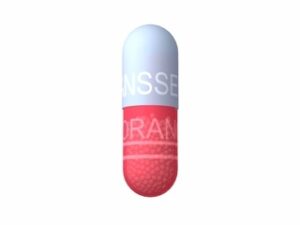
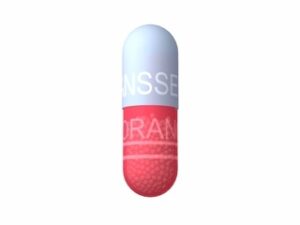
| Available Forms and Strengths | Capsules (50 mg, 100 mg, 150 mg, 200 mg), Oral Suspension (50 mg/5mL, 200 mg/5mL), Injectable solution (2 mg/mL) |
| Manufacturers | Pfizer Australia Pty Ltd, Apotex, Sandoz, Alphapharm, among others |
| Prescription Status (Australia) | Schedule 4 (Prescription Only Medicine) |
Mechanism of Action
Simple explanation: Fluconazole is an antifungal medicine. It works by stopping the growth and reproduction of certain types of fungi, including yeasts like Candida, responsible for many common and serious fungal infections.
Specialist detail: Fluconazole is a selective inhibitor of fungal lanosterol 14-alpha-demethylase, an enzyme necessary for the synthesis of ergosterol—a critical component of fungal cell membranes. This inhibition disrupts membrane formation, leading to fungal cell death or growth arrest.
Pharmacokinetics
- Absorption: Rapidly and well absorbed after oral administration (bioavailability >90%), unaffected by gastric pH or food intake.
- Distribution: Widely distributes through body fluids and tissues, including the cerebrospinal fluid.
- Metabolism: Minimal hepatic metabolism; mostly excreted unchanged in the urine.
- Elimination: Mainly via renal route (kidneys). Average half-life is 30 hours in healthy adults.
- Duration of Action: Once-daily dosing is usually sufficient for most conditions.
Use in Everyday Life and Best Practices
Fluconazole is commonly used in Australia to treat and prevent a range of fungal infections, including:
- Vaginal thrush (vulvovaginal candidiasis)
- Oral thrush (oropharyngeal candidiasis)
- Skin, groin, or nail fungal infections (e.g., ringworm, tinea)
- Severe or systemic fungal infections (candidaemia, cryptococcal meningitis)
- Fungal infections in immunocompromised patients (HIV/AIDS, cancer, transplant)
Best practices: Always use fluconazole strictly as prescribed by your doctor or pharmacist. Complete the full course, even if symptoms improve. Never share your medicine with others and do not use for non-approved conditions.
Dosing: Morning vs. Evening
- Timing: Fluconazole can be taken at any time of day. It is best to take it at the same time each day to help remember.
- Morning: May reduce the chance of forgetting a dose and can be easier to fit into a daily routine.
- Evening: Suitable for those taking other evening medications, or who find this time more convenient.
- Avoid double doses if you miss one—take the next dose as scheduled, unless otherwise instructed by your healthcare professional.
Taking With Food or On an Empty Stomach
Fluconazole can be taken with or without food, as meals do not impact its absorption or effect. For Australians who have dietary restrictions or are on special eating plans (such as vegetarian or gluten-free diets), there are no known dietary incompatibilities. Taking it with food may reduce minor stomach discomfort in some individuals.
Interaction Warnings
Always inform your doctor or pharmacist about all medicines you are taking, including over-the-counter products and herbal supplements.
| Substance/Drug | Type of Interaction | Advice |
|---|---|---|
| Alcohol | Unlikely to interact directly, but underlying liver conditions may increase risks | Limit use and consult doctor if chronic liver condition exists |
| Warfarin | Can increase risk of bleeding | INR monitoring required |
| Oral contraceptives | Generally safe, but discuss options if using long-term | Discuss with prescriber |
| Phenytoin, carbamazepine (anti-epileptics) | Possible increased side effects | Routine monitoring |
| Simvastatin, atorvastatin | May increase risk of muscle injury | Consider dose adjustment, monitor for muscle pain/weakness |
| Cyclosporin, tacrolimus (immunosuppressants) | Possible toxicity increase | Therapeutic drug monitoring |
| Herbal remedies (e.g., St John’s Wort) | May reduce fluconazole effectiveness | Consult healthcare provider before use |
Indications
| Indication | Official/Off-label | Brief Description |
|---|---|---|
| Vulvovaginal candidiasis (vaginal thrush) | Official | Most common: single 150 mg dose |
| Oropharyngeal and oesophageal candidiasis (oral/throat thrush) | Official | Used especially in immunocompromised patients |
| Systemic candidiasis | Official | For severe/fatal infections |
| Candidal balanitis (male thrush) | Official | Similar dosing to vaginal thrush |
| Dermatophytosis (tinea, ringworm, fungal nail) | Off-label | Use only on specialist advice |
| Prophylaxis in immunosuppression/HIV | Official | To prevent fungal infections |
| Cryptococcal meningitis | Official | Long-term therapy and prevention |
Dosing According to Clinical Indication
| Indication | Adults | Paediatric | Elderly |
|---|---|---|---|
| Vaginal thrush | Single 150 mg oral dose | Not routinely indicated | As for adults; reduce dose in renal impairment |
| Oropharyngeal candidiasis | 50-100 mg once daily for 7–14 days | 3 mg/kg once daily, up to 14 days | As for adults; reduce dose in renal impairment |
| Systemic candidiasis | 400 mg loading dose, then 200–400 mg daily | 6–12 mg/kg daily | As for adults; reduce dose in renal impairment |
| Cryptococcal meningitis | 400 mg loading, then 200–400 mg daily (up to 6–8 weeks) | 6–12 mg/kg daily | As for adults; reduce dose in renal impairment |
| Prevention (immunosuppressed) | 50–400 mg daily | 3–12 mg/kg daily | As for adults; reduce dose in renal impairment |
Always follow your doctor or specialist's tailored instructions, as doses may vary based on individual needs and kidney function.
Safety Profile/Side Effects
| Frequency | Side Effect | Notes / Action |
|---|---|---|
| Common (>1%) | Headache | Usually mild and temporary |
| Common | Nausea, stomach upset | May improve if taken with food |
| Common | Rash | See a doctor if severe or persistent |
| Rare (<0.1%) | Liver toxicity | Stop medicine, seek medical attention for yellowing of skin/eyes, dark urine |
| Rare | Severe allergic reaction (anaphylaxis) | Seek urgent help: swelling, breathing difficulty |
| Uncommon | QT prolongation (heart rhythm changes) | Special monitoring for at-risk patients |
Warnings: Let your doctor know if you have pre-existing liver or kidney problems, or if you are pregnant, breastfeeding, or taking medications that affect the heart or liver.
Guidelines for Proper Use
Pharmacists in Australia recommend:
- Always finish the course, even if symptoms resolve early
- Report any new symptoms or side effects promptly
- If you miss a dose, take it as soon as remembered but do not double up
- Store fluconazole below 25°C and out of reach of children
- Return any unused medicine to a participating pharmacy for safe disposal
- Keep your Personal Medications List updated with fluconazole use
Alternative Treatment Options (Available in Australia & Covered by PBS)
- Itraconazole (Sporanox®): Effective for some systemic and nail infections; more dietary restrictions; can interact more with other drugs; PBS listed for select cases.
- Nystatin: Often used for oral and gastrointestinal thrush; not systemically absorbed; minimal drug interactions.
- Clotrimazole and Miconazole (Canesten® etc.): Used for skin, oral, and vaginal infections; mainly topical, fewer systemic side effects.
- Ketoconazole: Now rarely used due to liver toxicity issues; reserved for skin use.
- Amphotericin B (Fungizone®, AmBisome®): Reserved for severe or resistant infections; hospital use only; significant side effect profile.
Pros and cons: Choice depends on infection type, site, and patient’s overall health. Fluconazole is often preferred for its simple dosing, safety, and PBS subsidy, but always follow your healthcare professional’s advice.
Legal, Registration, and Reimbursement Status in Australia
- Registration: Registered and approved by the Therapeutic Goods Administration (TGA) for specified indications.
- Reimbursement: Listed on the Pharmaceutical Benefits Scheme (PBS) for several indications (e.g., oropharyngeal and vaginal candidiasis, systemic infections—see pbs.gov.au for details).
- Legal Status: Prescription-only medicine (Schedule 4); non-prescription single dose is available for vaginal thrush via pharmacies after assessment for suitability (Pharmacist-Only, Schedule 3, for single-dose 150 mg capsule only).
- Strict advertising regulations apply; always consult your pharmacist or GP.
Latest Research and Clinical Guidance (2022–2025)
The most recent Australian and international guidelines (Therapeutic Guidelines - eTG Complete, 2024 update; IDSA 2023, NICE 2022) continue to support fluconazole as the first-line agent for most mucosal and systemic candida infections due to its safety, effectiveness, and ease of use. However, emerging resistance in certain species (such as Candida glabrata and Candida auris) is prompting careful stewardship and molecular identification in severe or persistent cases (Candida albicans is still highly responsive). There are no significant new safety concerns since 2022. Pregnant women should use fluconazole only if clearly indicated and on advice, due to rare but possible fetal risks. (References: eTG Complete 2024, "Therapeutic Guidelines: Antibiotic"; “IDSA Practice Guidelines for the Management of Candidiasis” 2023; “NICE CKS Vulvovaginal Candidiasis” 2022).
Availability and Delivery in Australia
| Form | Pack Sizes | Indicative Retail Price* | Availability | Delivery (to major cities) |
|---|---|---|---|---|
| Capsule, 150 mg | 1, 2, 4, or 6 capsules | $10–$20 (single), PBS $6.70 (concession) | Most pharmacies, PBS listed | 1–2 business days |
| Capsule, 50/100/200 mg | 7, 14, 28 | $15–$50, PBS concession $6.70 | Most pharmacies; limited online availability | 1–2 business days |
| Oral Suspension | 35 mL, 50 mL, 100 mL | $25–$45 | By special order or hospital | 2–4 business days |
| Injection | One or multi-dose vial | For hospital use | Hospital pharmacy only | Not home delivered |
*Prices are for guidance only; actual costs depend on pharmacy supply and concession status (PBS rules apply).
FAQ – Fluconazole in Australia
- Can I use fluconazole for every episode of thrush?
It is safe for occasional use as prescribed for thrush. However, if you require it frequently (over 3 times in 6 months), see your GP for further investigation, as recurrent thrush may have underlying causes. - Is fluconazole safe during pregnancy or breastfeeding?
Short-term, single-dose fluconazole is sometimes considered in pregnancy if benefits outweigh risks but is generally avoided in the first trimester. It passes into breastmilk in low amounts but is usually considered safe for breastfeeding mothers; always check with your doctor first. - Can I drink alcohol while taking fluconazole?
While there’s no direct interaction, it is best to limit alcohol, especially if you have liver issues. Both alcohol and fluconazole are processed by the liver, potentially increasing side effects. - How quickly does fluconazole work?
Symptoms often begin to improve within 24 hours for mild infections like vaginal thrush, but the full effect may take up to 7 days. More severe or systemic infections may require a longer course. - Does fluconazole treat all types of fungal infections?
Fluconazole treats many common yeast and some mould infections, but is not suitable for all types (such as Aspergillus or dermatophyte skin/nail infections). Always rely on your doctor’s diagnosis and instructions.
For more information or support, please speak with your local pharmacist or GP, or visit the Therapeutic Goods Administration and Pharmaceutical Benefits Scheme websites.