
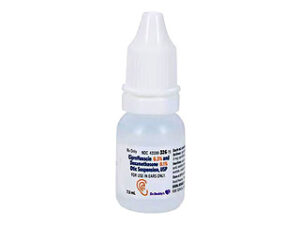
Ciprofloxacin (Ciprofloxacin Hydrochloride) – Patient Information for Australia
Basic Product Information
| International Non-Proprietary Name (INN) | Ciprofloxacin |
|---|---|
| Common Australian Brand Names | Ciproxin, Ciprofloxacin Sandoz, Ciprofloxacin AN |
| Anatomical Therapeutic Chemical (ATC) Code | J01MA02 |
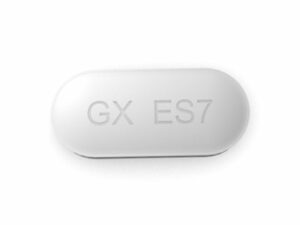
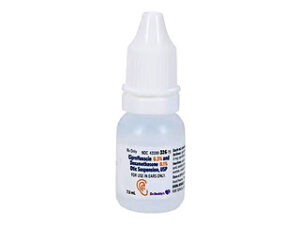
| Available Forms & Strengths | Tablets: 250 mg, 500 mg, 750 mg Oral Suspension: 250 mg/5 ml Eye/Ear Drops: 0.3% solution IV Infusion: 200 mg/100 ml, 400 mg/200 ml |
| Manufacturers (Not limited to) | Bayer, Sandoz, Apotex, Alphapharm |
| Prescription Status | Prescription Only Medicine (S4) |
Mechanism of Action
In Simple Terms:
Ciprofloxacin is an antibiotic that works by killing bacteria. It does this by stopping the bacteria from copying their genetic material (DNA), which prevents them from multiplying and spreading infection.
In Specialist Terms:
Ciprofloxacin is a fluoroquinolone that inhibits bacterial DNA gyrase and topoisomerase IV. These enzymes are critical for bacterial DNA replication, transcription, repair, and recombination.
Pharmacokinetics
- Absorption: Well absorbed orally (bioavailability ~70%). Peak plasma levels reached within 1–2 hours after ingestion.
- Metabolism: Partially metabolised in the liver to four metabolites, each with some antibacterial activity.
- Elimination: Mainly excreted in urine (40–50% as unchanged drug), with a half-life of about 4 hours in healthy adults.
- Duration of Action: Typically requires twice-daily dosing to maintain effective blood levels.
Use in Everyday Life & Best Practices in Australia
Ciprofloxacin is commonly prescribed for infections of the urinary tract, respiratory tract, skin, bone, joints, and gastrointestinal system. In Australia, its use is guided by the Australian Therapeutic Guidelines to help reduce antibiotic resistance and ensure its effectiveness.
Typical Dosages:
- Urinary tract infections (UTIs): 250–500 mg by mouth twice daily for 3–14 days, depending on severity.
- Respiratory infections: 500–750 mg twice daily.
- Skin/bone infections: 500–750 mg twice daily for 7–21 days.
Dosing: Morning vs Evening
- Advantages of Morning Dosing: May help maintain consistent blood levels if taken at the same time daily; morning dosing can reduce insomnia (a rare side effect).
- Evening Dosing: Some patients prefer evening dosing due to daily routines. If prescribed twice daily, take doses about 12 hours apart.
- Best Practice: Choose times that fit your daily routine to help improve adherence. Avoid missing doses by setting reminders or using a pill organiser.
Taking with Food or on an Empty Stomach
Ciprofloxacin can be taken with or without food. Taking it with food (e.g., a light meal or snack common in an Australian diet) can reduce stomach upset but may slightly delay absorption. Avoid dairy products or calcium-fortified juices close to dosing, as they can reduce absorption.
- Do not take with milk, yoghurt, or calcium-fortified foods at the same time.
- A glass of water with the tablet is recommended, and stay well hydrated throughout the course.
- Avoid taking antacids, multivitamins, or supplements containing iron or zinc within 2 hours of your dose.
Interaction Warnings
| Interacting Item | Type of Interaction | Advice |
|---|---|---|
| Alcohol | No direct interaction, but avoid excess; may worsen side effects like dizziness. | Limit intake. Seek advice if unwell. |
| Dairy/Calcium-rich foods | May reduce absorption of ciprofloxacin. | Take at least 2 hours apart. |
| Antacids (Al, Mg) | Significantly reduces effectiveness. | Space at least 2 hours before/after each dose. |
| Warfarin | May increase effects and risk of bleeding. | Monitor INR closely. |
| Tizanidine | Risk of severe side effects (hypotension, drowsiness). | Do not use together. |
| Antiarrhythmic drugs (e.g. amiodarone) | Increased risk of heart rhythm disturbances. | Discuss with doctor/pharmacist. |
Indications
| Condition | Approval |
|---|---|
| Urinary tract infections (UTI) | Approved |
| Pyelonephritis | Approved |
| Respiratory tract infections (except pneumonia) | Approved |
| Gastrointestinal infections (e.g. traveller's diarrhoea) | Approved |
| Skin and soft tissue infections | Approved |
| Bone and joint infections | Approved |
| Anthrax post-exposure prophylaxis | Conditional |
| Prostatitis | Approved |
| Off-label (e.g. complicated intra-abdominal infections) | Case-by-case |
Dosing According to Indications
| Indication | Adults | Children | Elderly |
|---|---|---|---|
| Simple UTI | 250 mg twice daily for 3 days | Not routinely used | Adjust for renal function |
| Complicated UTI/Pyelonephritis | 500 mg twice daily for 7–14 days | 10–20 mg/kg twice daily* | Adjust dose |
| Respiratory infection | 500–750 mg twice daily | Not routinely used | Adjust dose |
| Skin/Bone/Joint infection | 500–750 mg twice daily for 7–21 days | Not routinely used | Adjust dose |
| Gastroenteritis | 500 mg twice daily for 1–5 days | 10–15 mg/kg twice daily* | Adjust dose |
*Use in children is generally limited and guided by a specialist.
Safety Profile & Side Effects
| Frequency | Side Effect | Advice |
|---|---|---|
| Common (>1%) | Nausea, diarrhoea, headache, dizziness, rash | Usually mild; report if persistent |
| Uncommon | Restlessness, sweating, insomnia | Monitor, seek advice if bothersome |
| Rare | Tendon rupture, nerve problems (peripheral neuropathy), severe allergic reaction (anaphylaxis), seizure (in people prone to fits), abnormal heart rhythms (QT prolongation) | Stop medication and seek urgent medical help |
- Stop ciprofloxacin if you develop tendon pain, muscle weakness, numbness, or severe allergic reactions (swelling, trouble breathing).
- Older adults and patients with kidney problems require dose adjustment and closer monitoring.
- Avoid unnecessary sun exposure – ciprofloxacin can increase sensitivity to sunlight.
Guidelines for Proper Use (Australia-specific Advice)
- Always take exactly as prescribed by your GP or pharmacist.
- Do not share your medication with others.
- Store at room temperature, out of direct sunlight and moisture.
- Report any side effects to your healthcare professional or directly via the Therapeutic Goods Administration (TGA) portal.
- Return any unused medicine to your pharmacy for safe disposal; do not flush down the toilet or throw in household rubbish.
- Antibiotic resistance is a growing problem in Australia; never use leftovers for self-treatment.
Alternative Treatment Options (PBS-listed)
- Trimethoprim: Often used for uncomplicated UTIs; less risk of tendon issues.
- Cefalexin: Safe for most skin, urinary, and respiratory infections, especially where ciprofloxacin resistance is a concern.
- Amoxicillin/clavulanate: Widely used for a range of infections; fewer restrictions than ciprofloxacin, but not effective for all organisms.
- Nitrofurantoin: For urinary infections; more effective in lower urinary tract infections.
- Choice depends on infection site, allergies, and local resistance patterns.
Legal, Registration, and Reimbursement Status in Australia
- Registered with the Therapeutic Goods Administration (TGA) and listed on the Pharmaceutical Benefits Scheme (PBS) for approved conditions.
- Prescription is required; dispensing and pharmacy advice are strictly regulated.
- Pricing and availability are partially subsidised by the PBS, depending on indication and patient eligibility.
Latest Research & Clinical Guidance (2022–2025)
Australian and international guidelines continue to encourage prudent use of ciprofloxacin due to increasing rates of resistance and risk of rare but serious side effects (BMJ 2024, Australian Therapeutic Guidelines Antibiotic v17 2023). Recent updates emphasise limiting fluoroquinolone use to cases where alternative antibiotics are unsuitable.
In 2023, the TGA and European Medicines Agency (EMA) both strengthened warnings about risks to tendons, nerves, and the nervous system. Some non-urgent respiratory infections are best treated with other agents (Annals of Internal Medicine, 2024).
Availability, Delivery, and Pricing in Australia
| Form/Strength | Typical Pack Size | Indicative PBS Price (concession/general) | Estimated Delivery to Major Cities |
|---|---|---|---|
| 250 mg tablets | 14, 28 | $6.70 / $21.00 | Sydney: Next day Melbourne: Next day Brisbane: 1–2 days Perth: 2–3 days Adelaide: 1–2 days |
| 500 mg tablets | 14, 28 | $6.70 / $21.00 | As above |
| Oral suspension | 100 ml | $6.70 / $22.50 | Order only; 2–4 days |
| IV Infusion | Vary by hospital supply | Hospital only | N/A |
Frequently Asked Questions (FAQ)
- Can I drink alcohol while taking ciprofloxacin?
Moderate alcohol is unlikely to interact directly, but it can increase the risk of side effects like stomach upset or dizziness. It's best to avoid excess until you know how you react. - What happens if I miss a dose?
Take the missed dose as soon as you remember, unless it's nearly time for your next one. Do not double up. Keep doses as evenly spaced as possible. - Can ciprofloxacin be used in children?
This medicine is not routinely used in children due to the risk of joint and tendon side effects. It may be given under specialist guidance for specific conditions. - Do I need to finish the whole course?
Yes. Even if you feel better, completing the course greatly reduces risk of the infection returning and prevents antibiotic resistance. - What should I do if I get tendon pain or swelling?
Stop taking ciprofloxacin and contact your doctor or pharmacist immediately, as this may signal a rare but serious side effect.