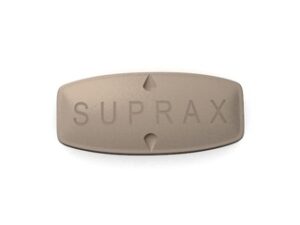

Trimox (Amoxicillin) – Patient Information Sheet
Basic Product Information
| International Non-proprietary Name (INN) | Amoxicillin |
|---|---|
| Australian Brand Names | Trimox, Amoxil, Alphamox, Cilamox, Moxacin, Clamoxyl |
| ATC Code | J01CA04 |
| Available Forms and Strengths | Capsules: 250 mg, 500 mg Tablets: 500 mg, 875 mg Oral Suspension: 125 mg/5 mL, 250 mg/5 mL Sachets and dispersible tablets (for paediatric use) |
| Australian Manufacturers/Suppliers | GlaxoSmithKline (GSK), Alphapharm, Aspen Pharma, Sandoz, Generic providers |
| Legal Status | Prescription only (Schedule 4, S4, Prescription Medicine) |
| Regulatory Approval | Approved by the Therapeutic Goods Administration (TGA) |
Mechanism of Action
For patients: Amoxicillin is a type of antibiotic, meaning it helps your body fight certain bacterial infections. It works by stopping the bacteria from building protective cell walls, which leads to their destruction. Amoxicillin does not work for colds, flu, or other viral infections.
For specialists: Amoxicillin is a moderate-spectrum, beta-lactam antibiotic in the aminopenicillin class. It inhibits transpeptidation by binding to penicillin-binding proteins (PBPs), resulting in impairment of bacterial cell wall synthesis, ultimately causing bacterial lysis and cell death.
Pharmacokinetics
- Absorption: Amoxicillin is well absorbed from the gastrointestinal tract, with approximately 75–90% bioavailability. Peak plasma concentrations generally occur within 1–2 hours after oral administration.
- Distribution: Widely distributed throughout the body fluids and tissues, with higher concentrations in urine, bile, and pericardial fluid.
- Metabolism: Amoxicillin undergoes minimal hepatic metabolism; most of the drug circulates unchanged.
- Elimination: The majority is excreted unchanged in the urine by glomerular filtration and tubular secretion.
- Half-life: Typically 1–1.5 hours in healthy adults; may be prolonged in renal impairment.
- Duration of action: Dosed up to three times daily to maintain effective blood levels.
Everyday Use and Best Practices
- Common uses: Treatment of respiratory tract infections (including bronchitis, pneumonia), ear infections, sinusitis, urinary tract infections, skin and soft tissue infections, and some dental infections.
- How to take: Swallow tablets or capsules whole with water. Suspensions should be measured accurately using the provided spoon or syringe. Try to take at evenly spaced times.
- Missed doses: Take as soon as you remember. If it's almost time for your next dose, skip the missed dose—don't double up.
- Finish the course: It’s important to complete the full prescribed course, even if you feel better before the end. Stopping early can lead to infection returning or resistance.
In Australia, your GP or pharmacist can offer guidance on best use. Trimox is usually safe and well tolerated.
Morning vs Evening Dosing
- Morning dosing: May help you remember your dose, particularly with breakfast. Good for those with busy evenings.
- Evening dosing: Sometimes preferable if doses cause stomach upset, as sleep may mask mild nausea.
- Tip: For multiple daily dosing, spacing doses every 8 or 12 hours is preferred. Consistency is key—set reminders or link with daily routines for best effect.
Taking with Food or on an Empty Stomach
- Amoxicillin can be taken with or without food. In most cases, food does not significantly affect absorption.
- Taking with food or a light meal may reduce the chance of stomach upset, which occasionally occurs in sensitive patients.
- Australians typically consume a balanced diet—no special diet is needed, but avoid excessive dairy if you notice any digestive discomfort.
Interaction Warnings
| Substance/Drug/Food | Interaction/Guidance |
|---|---|
| Alcohol | No specific interaction, but excessive alcohol can worsen infection recovery or increase stomach irritation. |
| Oral contraceptives | Small risk that antibiotics may reduce contraceptive effectiveness. Use extra contraception if you have vomiting/diarrhoea. |
| Allopurinol | Increased risk of allergic skin reactions. |
| Anticoagulants (e.g., warfarin) | May increase the effect of warfarin; regular INR monitoring recommended. |
| Probenecid | Delays excretion of amoxicillin, increasing blood levels—may be used intentionally in some cases. |
| Live vaccines (e.g., oral typhoid) | May reduce vaccine effectiveness. |
| Excessive calcium-rich food (e.g., many dairy products) | Potential to bind with medication in the stomach, but effect is usually minimal for amoxicillin. |
Indications
| Condition | Official/PBS-Listed | Other (Off-label) |
|---|---|---|
| Acute respiratory tract infections | Yes | - |
| Acute otitis media/ear infections | Yes | - |
| Acute sinusitis | Yes | - |
| Urinary tract infections | Yes | - |
| Skin and soft tissue infections | Yes | - |
| Dental abscesses | Yes | - |
| Helicobacter pylori eradication (part of combination therapy) | Yes | - |
| Prophylaxis of bacterial endocarditis | - | May be used |
| Lyme disease, leptospirosis, chlamydia (specific cases) | - | May be used |
Dosing According to Clinical Indications
| Indication | Adults | Children | Elderly/Renal Impairment |
|---|---|---|---|
| Standard respiratory, urinary, skin infections | 250–500 mg every 8 hours or 500–875 mg every 12 hours | 20–40 mg/kg/day in divided doses, max 500 mg per dose | Adjust dose/frequency in significant renal impairment |
| Severe infections | Up to 1 g three times daily | As above, do not exceed 100 mg/kg/day | Consider reduced frequency |
| H. pylori eradication (combination with other drugs) | 1 g twice daily | Usually not indicated | Adjust for renal function |
Always follow your doctor's specific prescription and directions for use. Seek advice if uncertain or if special medical circumstances are present (such as pregnancy or chronic conditions).
Safety Profile and Side Effects
- Very common/common:
- Nausea
- Diarrhoea
- Rash
- Skin reactions (mild)
- Headache
- Uncommon/rare:
- Allergic reactions (urticaria, anaphylaxis)
- Severe skin rashes (Stevens-Johnson syndrome, toxic epidermal necrolysis)
- Liver dysfunction, cholestatic jaundice (very rare)
- Seizures (in renal failure or high doses)
- Blood disorders (anaemia, leukopenia – rare)
- Special warnings:
- Seek emergency care for sudden difficulty breathing, severe rash, or swelling of face/throat
- If you develop significant diarrhoea especially with blood/mucous, contact your GP (possible C. difficile infection)
- Inform your prescriber of all allergies, especially to beta-lactam antibiotics
Guidelines for Proper Use – Australian Context
- Always keep antibiotics out of reach of children.
- Do not share Trimox or any antibiotics—even if others have similar symptoms.
- Return unused medicine to your pharmacy for safe disposal as part of the Return Unwanted Medicines (RUM) project.
- For oral suspensions, refrigerate after opening and discard after 7–14 days as per label.
- Report any unexpected side effects to your GP or report directly to the Therapeutic Goods Administration (TGA).
Alternative Treatment Options
- Other antibiotics (many PBS-listed): Cephalexin, doxycycline, azithromycin, clarithromycin, trimethoprim/sulfamethoxazole, and nitrofurantoin (for specific infections).
- Comparative overview:
- Cephalexin: Similar spectrum, used for penicillin allergy (unless severe).
- Macrolides (azithromycin/clarithromycin): Useful for respiratory/chlamydial infections, penicillin allergy.
- Doxycycline: Also covers atypical pathogens, not usually first-line in children or pregnancy.
- Trimethoprim/nitrofurantoin: For urinary infections; not effective for most respiratory infections.
- Your GP will choose the best antibiotic based on your allergy history, infection type, and local resistance patterns.
Legal, Registration, and Reimbursement Status in Australia
- Legal Status: Prescription-only, Schedule 4 (S4) medicine.
- Registration: Registered with the TGA as an essential medicine for both children and adults.
- Reimbursement: Amoxicillin is listed on the Pharmaceutical Benefits Scheme (PBS) for approved indications. This typically means lower out-of-pocket costs for most patients with a valid Medicare card.
- Notifiable adverse effects may be reported to the TGA by patients or health professionals.
Latest Research and Clinical Guidance (2022–2025)
- Recent Australian guidelines (Therapeutic Guidelines: Antibiotic, v17, 2023) continue to recommend amoxicillin as first-line therapy for a number of common community-acquired infections. The focus on appropriate antibiotic stewardship remains strong.
- The National Prescribing Service (NPS MedicineWise) has highlighted the ongoing importance of completing full courses (unless directed otherwise by your doctor) and avoiding inappropriate ‘just in case’ antibiotic use to combat rising resistance.
- Clinical trials globally and in Australia (Brooks et al., 2022, MJA; NICE guidance 2023, UK) continue to affirm amoxicillin’s efficacy and safety for its registered uses. However, efforts are underway to further tailor doses and durations to individual needs—shorter courses may be used for certain infections (e.g., 3–5 days for uncomplicated cystitis).
- Evidence confirms amoxicillin is safe in pregnancy (Australian categorisation: Category A) and breastfeeding when prescribed.
Availability and Delivery
| Form | Pack Sizes | Indicative Price (PBS co-pay/Private) | Estimated Delivery Time (Sydney, Melbourne, Brisbane, Perth, Adelaide, Hobart) |
|---|---|---|---|
| Capsules/Tablets | 20, 24, 30, 40 tablets/capsules | PBS: $7.30–$30.00; Private: $10.00–$35.00 | Sydney/Melbourne: 1–2 days Brisbane/Adelaide: 2–3 days Perth/Hobart: 3–4 days |
| Oral Suspension | 75 mL, 100 mL, 150 mL | PBS: $7.30–$25.00; Private: $10.00–$27.00 | Sydney/Melbourne: 1–2 days Others: 2–4 days |
Most community pharmacies stock common forms. Delivery times may vary based on pharmacy, location, and demand. Cold chain is maintained for suspensions as required.
Frequently Asked Questions (FAQ)
1. What if I miss a dose of Trimox (Amoxicillin)?
Take the missed dose as soon as you remember. If it's nearly time for your next dose, skip the missed dose, and take your next dose at the regular time. Do not double up. Consistent timing is best for effectiveness.
2. Is it safe to take Trimox during pregnancy or when breastfeeding?
Yes, amoxicillin is considered safe in pregnancy and during breastfeeding when used as prescribed. Always inform your doctor or pharmacist if you are pregnant or breastfeeding.
3. What are the most common side effects?
Upset stomach, nausea, mild diarrhoea, and rash are the most common side effects. Most people tolerate amoxicillin well. Seek medical advice if symptoms persist or worsen.
4. Can I drink alcohol while taking Trimox?
There is no direct interaction between amoxicillin and alcohol. However, alcohol can reduce your body's ability to recover and may increase stomach upset. Moderate alcohol is unlikely to cause problems in most people.
5. When should I seek urgent medical help?
If you experience shortness of breath, severe rash, swelling of the face or throat, or other signs of a serious allergic reaction or anaphylaxis, call triple zero (000) or seek emergency medical care immediately.