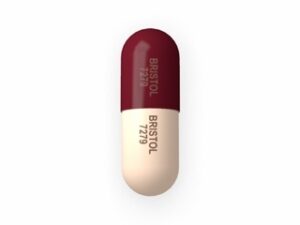


Dapsone (Diaminodiphenyl Sulfone) – Patient Information and Guide
Basic Product Information
| International Nonproprietary Name (INN) | Dapsone |
| Australia Brand Names | Dapsone Alphapharm, Dapsone Aspen, Dapsone Sandoz, DDS Sandoz |
| ATC Code | J04BA02 |
| Available Forms and Strengths | Tablets: 50mg, 100mg |
| Manufacturers | Alphapharm Pty Ltd, Aspen Pharma Pty Ltd, Sandoz Pty Ltd |
| Prescription Status | Prescription Only (Schedule 4 medicine) |
Dapsone is a well-established medication primarily used as an antibacterial and anti-inflammatory agent. It is commonly dispensed under various brand names and only available with a prescription from your doctor in Australia.
Mechanism of Action
For Patients: Dapsone works by stopping the growth of certain bacteria and reducing inflammation in the body. This helps treat infections and some inflammatory skin conditions.
For Specialists: Dapsone is a synthetic sulfone compound that inhibits bacterial dihydropteroate synthase, preventing folate synthesis essential for bacterial replication. It also has anti-neutrophilic and anti-inflammatory properties—making it useful in diseases involving immune-mediated tissue injury.
Pharmacokinetics
- Absorption: Well-absorbed orally (70–80% bioavailability); peak blood levels in 2–8 hours after ingestion.
- Metabolism: Primarily in the liver via acetylation and N-hydroxylation.
- Elimination: Excreted mainly by the kidneys (urine); small amounts in bile. Elimination half-life is about 10–30 hours.
- Duration of Action: Prolonged; suitable for once-daily dosing in most conditions.
Use in Everyday Life and Best Practices
Dapsone is most often used to treat autoimmune skin conditions (like dermatitis herpetiformis), leprosy, and sometimes to prevent certain types of pneumonia (Pneumocystis jirovecii) in immunocompromised patients. It is occasionally used in acne, vasculitis, and other rare disorders, on specialist advice.
Typical Doses and How to Use
- Take dapsone exactly as prescribed by your doctor, usually once a day.
- Swallow tablets whole with a full glass of water.
- Do not stop taking dapsone abruptly; discuss any dose adjustments with your doctor or pharmacist.
- If you miss a dose, take it as soon as you remember; if it’s close to the next dose, skip the missed dose.
- Australian patients should inform their prescriber of all medicines, vitamins, and herbal supplements they are taking.
Dosing: Morning vs Evening
- Morning dosing: Preferred for most people—you’re more likely to remember the dose, and any adverse effects (such as stomach upset) can be monitored during the day.
- Evening dosing: If morning doses cause nausea/drowsiness, you may discuss with your doctor about switching to evening administration.
- Key tip: Choose a time that fits your daily routine and set a reminder, as regular intake is vital for effectiveness.
Taking with Food or on an Empty Stomach
- Dapsone can be taken with or without food, but taking with meals may help reduce stomach upset.
- In the context of typical Australian dietary habits, no special foods are to be avoided, but maintaining hydration may help minimise side effects.
- Avoid grapefruit and juice, as they may alter dapsone absorption and metabolism.
Interaction Warnings
| Substance/Class | Effect/Advice |
|---|---|
| Rifampicin, Chloramphenicol | May lower dapsone levels—effectiveness may decrease |
| Trimethoprim, Pyrimethamine | Increased risk of blood disorders—monitor blood counts |
| Anticonvulsants (Phenytoin, Carbamazepine) | May increase toxic effects of dapsone—use with caution |
| Oral Contraceptives | Effectiveness usually maintained, but report abnormal symptoms |
| Alcohol | Moderation advised—rarely increases risk of side effects |
| Vitamin C (High doses) | May increase risk of kidney stones when combined with dapsone |
Always discuss with your pharmacist or doctor before introducing new medications or supplements.
Indications
| Indication | Status in Australia |
|---|---|
| Leprosy (all forms) | Officially approved |
| Dermatitis herpetiformis | Officially approved |
| Pneumocystis jirovecii pneumonia prophylaxis (HIV+ patients) | Off-label/clinical guidance |
| Autoimmune bullous dermatoses (pemphigoid, etc.) | Off-label |
| Other skin conditions (vasculitis, acne vulgaris) | Off-label/rare |
Dosing According to Clinical Indications
| Indication | Adults | Paediatrics | Elderly |
|---|---|---|---|
| Leprosy | 100mg once daily | 1–2mg/kg once daily | 100mg once daily; monitor renal function |
| Dermatitis herpetiformis | 50–100mg once daily (start low) | 0.5–2mg/kg once daily | As above; use lowest effective dose |
| Pneumocystis pneumonia prophylaxis | 100mg once daily | 2mg/kg once daily (max 100mg) | 100mg once daily; close monitoring |
Individual dose adjustments are often required. Your doctor will decide the safest, most effective dose for you.
Safety Profile and Side Effects
Side effects are generally manageable, but some can be serious. Report any new symptoms promptly to your doctor or pharmacist.
| Frequency | Side Effect | Comments |
|---|---|---|
| Common | Nausea, vomiting | Usually mild; take with food |
| Common | Headache | Often improves over time |
| Common | Rash, itch, sensitivity to sunlight | Use sunscreen, avoid strong sunlight |
| Less common | Haemolytic anaemia (low red blood cells), especially in G6PD deficiency | Blood testing before/during therapy recommended |
| Rare | Severe allergic reactions: fever, breathlessness, skin peeling | Seek urgent medical attention |
| Rare | Liver or kidney problems | Regular blood/liver tests recommended |
| Very rare | Neuropathy (nerve pain/tingle) | If persistent, consult your doctor |
Guidelines for Proper Use: Advice from Australian Pharmacists and Clinics
- Follow your prescribed dose and schedule closely.
- Undergo routine blood tests (blood count, liver and kidney function), especially during the first months of use.
- Let your doctor know if you have G6PD deficiency, as you are at higher risk of severe side effects.
- Store dapsone tablets in a dry place below 25°C; out of reach of children.
- Always use sun protection, as dapsone may increase sensitivity to UV radiation (very important in the Australian climate).
- Report signs of infection, unusual tiredness, jaundice (yellow skin/eyes), or unexplained bruising immediately.
Alternative Treatment Options
- Sulfamethoxazole/Trimethoprim (Co-trimoxazole): Used for Pneumocystis pneumonia prophylaxis as an alternative in intolerant patients; broader side effect profile (e.g., allergic reactions).
- Clofazimine, Rifampicin: Essential components of anti-leprosy treatment regimens; comparable effectiveness, different side effects.
- Tetracyclines (e.g., doxycycline): Sometimes used in dermatological indications—less effective but fewer blood-related side effects.
- Systemic corticosteroids: For severe inflammatory skin conditions; rapid effect but not suitable for long-term use due to potential for diabetes, osteoporosis, etc.
All alternatives are available through the Pharmaceutical Benefits Scheme (PBS) in Australia and need a doctor’s prescription.
Legal, Registration, and Reimbursement Status in Australia
- Dapsone is a Schedule 4 (S4) prescription medication regulated by the Therapeutic Goods Administration (TGA).
- It is included in the Australian Register of Therapeutic Goods (ARTG) and reimbursed under certain indications through the PBS (e.g., leprosy, dermatitis herpetiformis).
- Not available over the counter; dispensed only via Australian registered pharmacies with a valid prescription.
Latest Research and Clinical Guidance (2022–2025)
- Recent Australian clinical guidelines support dapsone for leprosy and dermatitis herpetiformis as first-line therapy, with routine G6PD testing prior to initiation recommended (Australian Dermatology Guidelines, 2024).
- A 2023 multinational review (BMJ Open) highlighted emerging off-label use in certain autoimmune skin diseases where other therapies are unsuitable or fail.
- International guidelines (WHO, 2022) confirm its ongoing value for Hansen’s disease (leprosy) and advocate for combination therapy (multi-drug regimens).
- Current research is examining lower-dose regimens to reduce side effects in long-term users (Dermatology Practical & Conceptual, 2025).
Availability and Delivery Information
- Common pack sizes: 100 tablets per pack (most brands), 50mg or 100mg strength.
- Indicative PBS Copayment (June 2024): $30 per script for general patients; $7.30 for concessional patients (actual price at pharmacy may vary).
| City | Estimated Pharmacy Delivery Time |
|---|---|
| Sydney | Same or next business day |
| Melbourne | Same or next business day |
| Brisbane | 1–2 business days |
| Perth | 2–4 business days |
| Adelaide | 1–2 business days |
| Hobart | 2–4 business days |
| Regional / rural areas | 2–7 business days |
Contact your local pharmacy for the most accurate stock and delivery details.
Frequently Asked Questions (FAQ)
- Can I drink alcohol while taking dapsone?
Moderate alcohol use is generally safe, though excessive alcohol can increase liver or blood-related side effects—always check with your doctor or pharmacist. - Is dapsone safe in pregnancy and breastfeeding?
Dapsone should only be used if clearly needed and prescribed by your specialist. It can pass into breast milk in small amounts; your doctor will discuss the risks and alternatives. - What special tests do I need before starting dapsone?
The most important is a blood test for G6PD deficiency, as this condition increases risk of severe anaemia. Regular blood counts and liver/kidney function tests are also recommended. - How quickly does dapsone work for skin conditions?
Improvement in skin symptoms (e.g., rash or itch) may take a few days to weeks. Consistent daily dosing and follow-up are important to monitor your response. - Can I get dapsone through the Pharmaceutical Benefits Scheme (PBS)?
Yes, dapsone is reimbursed under the PBS for leprosy and dermatitis herpetiformis. Discuss your indication and cost with your doctor or hospital clinic.
Note: This material is provided as an informational resource and does not substitute for professional medical advice. Discuss any concerns or questions with your Australian healthcare provider or community pharmacist.