Vibramycin (Doxycycline): Comprehensive Patient Information for Australia
1. Basic Product Information
| International Non-Proprietary Name (INN) | Doxycycline |
|---|---|
| Australia Brand Names | Vibramycin, Doryx, DokSy, Doxine, Doxycycline Sandoz |
| ATC Code | J01AA02 |
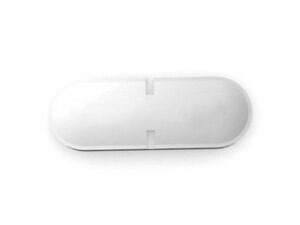
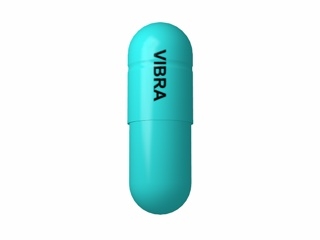
| Available Forms and Strengths | Capsules 100 mg, Tablets 100 mg, Oral suspension 25 mg/5 mL, IV injection (hospital use) |
| Manufacturers | Pfizer Australia Pty Ltd, Sandoz Pty Ltd, generic manufacturers |
| Prescription Status | Prescription Only (Schedule 4, PBS reimbursed for approved indications) |
2. Mechanism of Action
For Patients: Doxycycline works by stopping bacteria from making the proteins they need to grow and multiply, which helps your body’s defences fight off the infection.
For Specialists: Doxycycline is a tetracycline-class antibiotic. It acts by reversibly binding to the 30S ribosomal subunit, inhibiting bacterial protein synthesis, which renders the bacteria unable to replicate.
3. Pharmacokinetics
- Absorption: Doxycycline is well absorbed (over 90%) from the gut, regardless of food.
- Distribution: Widely distributed in body tissues and fluids, including respiratory tract, skin, bone, and genitourinary tract.
- Metabolism: Minimal hepatic metabolism.
- Elimination: Mainly via faeces and urine. Does not accumulate significantly in renal impairment.
- Half-life: Approximately 18–22 hours.
- Onset/Duration: Usually effective within 48 hours for infections; full course typically 7–14 days, depending on indication.
4. Use in Everyday Life and Best Practices
Doxycycline is a versatile antibiotic commonly prescribed in Australia for a variety of infections. Always follow your doctor or pharmacist’s instructions exactly.
- Commonly treated conditions: Respiratory tract infections, urinary tract infections, acne, rosacea, sexually transmitted infections (e.g., chlamydia), tick-borne illnesses, chronic bronchitis, and malaria prophylaxis for travel.
- Typical adult dose: 100 mg once or twice per day, depending on the infection.
- Tablet or capsule: Swallow whole with a large glass of water. Remain upright for 30 minutes after taking to avoid irritation of the food pipe.
- Do not abruptly stop: Complete the full course, even if you feel better, to prevent antibiotic resistance.
- Storage: Store in a cool, dry place below 25°C. Do not use past expiry date.
5. Dosing: Morning vs. Evening
- Morning dosing: Preferred. Reduces risk of oesophageal irritation and reflux. Easier to remember as part of your morning routine.
- Evening dosing: Can be associated with greater risk of heartburn and food pipe irritation, especially if lying down soon after taking the dose.
- Tip for regularity: Take at the same time each day. Consider linking dosing with a daily habit (e.g., breakfast).
6. Taking with Food or on an Empty Stomach
- Doxycycline can be taken with or without food. While food may slightly reduce absorption, this generally does not affect its effectiveness for most infections.
- Taking with a meal or snack (preferably non-dairy) may help reduce stomach upset, a common side effect.
- Avoid taking with large amounts of dairy (milk, cheese, yoghurt), as calcium can interfere with absorption. Consuming a typical English breakfast is acceptable, but space out doses from calcium-rich foods by 2 hours if possible.
7. Interaction Warnings
| Item | Interaction/Advice |
|---|---|
| Milk/Dairy | Can reduce absorption. Space out doses by 2 hours from high-calcium foods or supplements. |
| Antacids/Iron Supplements | Avoid concurrent use, as they interfere with absorption. Take 2 hours apart. |
| Alcohol | Heavy or regular drinking may reduce effectiveness and increase risk of side effects. |
| Other antibiotics | Check with your doctor, as some may reduce effectiveness when combined. |
| Oral contraceptives | Doxycycline can (rarely) reduce effectiveness. Use additional contraception if vomiting or diarrhoea occurs. |
| Warfarin | May enhance effects; close blood monitoring recommended. |
| Retinoids (e.g., Roaccutane) | Increases risk of serious side effects. Avoid co-use unless advised. |
8. Indications
| Indication | Status | Notes |
|---|---|---|
| Acute respiratory tract infections | Official (PBS-listed) | Includes pneumonia, bronchitis |
| Acne (moderate to severe) | Official | Long-term use requires doctor's supervision |
| Chlamydia and other STIs | Official | First-line for chlamydia |
| Tick-borne infections (e.g., Q fever, rickettsial infections) | Official | Includes Q fever, spotted fevers |
| Prophylaxis of malaria | Official | For approved travel itineraries |
| Chronic bronchitis exacerbations | Official | In adults |
| Off-label: Lyme disease, anthrax post-exposure | Off-label, specialist supervision | Consult infectious diseases physician |
9. Dosing According to Clinical Indications
| Condition | Adult Dose | Paediatric Dose | Duration |
|---|---|---|---|
| Respiratory Tract Infection | 100 mg every 12 hours day 1, then 100 mg daily | ≥8 years: 2 mg/kg/day (max 100 mg/day) | 7–10 days |
| Chlamydia/STIs | 100 mg twice daily | As per specialist advice | 7 days |
| Acne/Rosacea | 50–100 mg daily | Not routinely used | Long-term, review every 8–12 weeks |
| Malaria prophylaxis | 100 mg once daily | Not generally recommended | Start 2 days prior, continue for trip plus 4 weeks |
| Children (Q fever, rickettsial) | 2 mg/kg/day (max 100 mg), for 7 days |
Note: Doxycycline is not recommended for children under 8 years except in special circumstances, due to risk of tooth discolouration and enamel development effects.
10. Safety Profile and Side Effects
- Common Side Effects:
- Stomach upset, nausea, diarrhoea, loss of appetite
- Increased sensitivity to sunlight (photosensitivity)
- Skin rash or mild itching
- Heartburn or throat discomfort
- Rare/Serious Side Effects & Warnings:
- Severe allergic reactions (swelling, rash, difficulty breathing—seek urgent medical care)
- Liver inflammation, jaundice
- Severe headache, visual changes (may be sign of increased intracranial pressure)
- Persistent or severe diarrhoea (risk of C. difficile or gut infection)
- Warnings:
- Use in pregnancy and breastfeeding is not recommended unless clearly needed—discuss with doctor.
- Photosensitivity precautions: Avoid direct sunlight, use sunscreen (SPF 30+), wear protective clothing when outdoors.
- Do not use if history of hypersensitivity to doxycycline, other tetracyclines, or excipients.
11. Guidelines for Proper Use
- Swallow tablets or capsules whole with a large glass of water while sitting or standing upright—do not take just before bed.
- Do not chew or crush tablets, as this might increase risk of side effects.
- If you miss a dose, take it as soon as you remember—but skip if it is almost time for your next dose. Do not double up.
- Discuss any concerns about side effects or effectiveness with your pharmacist or doctor.
- For Australians travelling to endemic malaria areas or tick-prone regions, see a travel medicine or infectious diseases specialist in advance.
- Keep out of reach of children. Dispose of unused medicine safely—many chemists provide a free medication disposal service.
12. Alternative Treatment Options (PBS-Listed)
- Amoxicillin (various brands): Broader spectrum for respiratory and urinary infections; generally well tolerated but may not cover atypical or tick-borne infections as doxycycline does.
- Azithromycin: Useful for chlamydia, certain respiratory infections; shorter courses (3–5 days).
- Trimethoprim/sulfamethoxazole (co-trimoxazole): Some overlap for urinary or skin infections, but more allergy risk.
- Erythromycin or clarithromycin: Suitable for penicillin-allergic patients; more interactions, GI side effects.
- Lymecycline: Similar to doxycycline for acne, but not on all formularies.
Choice of antibiotic depends on infection type, patient allergies, and local antibiotic resistance. Consult your GP or pharmacist.
13. Legal, Registration, and Reimbursement Status in Australia
- Registered with the Therapeutic Goods Administration (TGA)
- Available on the Pharmaceutical Benefits Scheme (PBS) for approved indications (such as respiratory, sexually transmitted, certain skin/tooth and tick-borne infections, and prophylaxis)
- Prescription-Only Medicine (Schedule 4)
- Subject to National Antimicrobial Stewardship guidelines—prescribing must follow best practice for antibiotic use
14. Latest Research and Clinical Guidance (2022–2025)
- Recent guidelines from the Royal Australian College of General Practitioners (RACGP, 2023) and Therapeutic Goods Administration (TGA) recommend doxycycline as first-line for:
- Chlamydia trachomatis infection (7-day course preferred over single-dose azithromycin to prevent persistent infection)
- Treating rickettsial diseases and Q fever contracted in Australia
- Use in moderate-to-severe acne and rosacea remains widespread, with studies supporting low-dose, long-term efficacy and improved tolerability (Australian Prescriber, 2024).
- Emerging evidence supports safety of doxycycline for children >8 years when necessary (BMJ, 2024).
- Checklist for antimicrobial stewardship updated in 2024 to emphasise shortest effective course—usually 5–7 days for most acute infections.
15. Availability and Delivery
| Pack Size (Tablets/Capsules) | Indicative PBS Price (2024)* | Approximate Private Price |
|---|---|---|
| 7 x 100 mg | $6.70 (concession) | $13–$23 |
| 21 x 100 mg | $6.70 (concession), $23.70 (general) | $25–$35 |
| 50 x 100 mg | N/A (private only) | $49–$65 |
*Prices correct as of June 2024. Actual pharmacy prices or patient co-payments may differ depending on entitlements.
| City | Estimated Delivery (Standard) | Express Delivery |
|---|---|---|
| Sydney | 1–2 business days | Same day/next day (if ordered before 2pm) |
| Melbourne | 1–2 business days | Same day/next day |
| Brisbane | 2–3 business days | Next day |
| Perth | 3–5 business days | 2 days |
| Adelaide | 2–3 business days | Next day |
| Regional/Australia Post only | 5–7 days | Up to 3 days |
16. FAQ: Common Patient Questions
- Q: I missed a dose of doxycycline. What should I do?
A: Take the missed dose as soon as you remember, unless it is nearly time for your next dose. In that case, skip the missed dose and continue as normal. Do not double up. - Q: Can I drink alcohol while taking doxycycline?
A: Occasional, light drinking is unlikely to cause problems, but heavy alcohol use may reduce the medicine’s effectiveness and increase liver side effect risk. - Q: Is it safe to take doxycycline in pregnancy or if breastfeeding?
A: Doxycycline is not usually recommended in pregnancy or breastfeeding. Always consult your doctor to weigh possible risks and benefits. - Q: Will the sun affect me more on doxycycline?
A: Yes, doxycycline can make your skin more sensitive to sunlight. It is important to use sunscreen, wear a hat, and avoid prolonged sun exposure during your course. - Q: What should I do if I develop a rash or severe diarrhoea?
A: Stop taking the medicine and seek urgent medical advice, as this may be a sign of an allergy or serious reaction.
For more advice: Speak with your pharmacist or GP. The above does not replace personalised medical consultation, and antibiotic use should always be as prescribed.