
Asacol (Mesalamine) – Comprehensive Patient Guide (Australia)
Basic Product Information
| International Non-proprietary Name (INN) | Mesalamine (also known as Mesalazine) |
|---|---|
| Australia Brand Names | Asacol, Pentasa, Mezavant, Salofalk, Mesamax |
| ATC Code | A07EC02 |
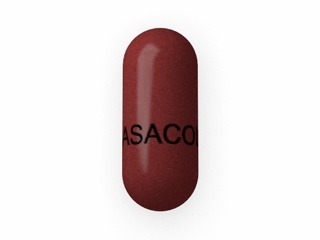
| Pharmaceutical Forms & Strengths |
|
| Manufacturers | Tilman, Ferring, Dr. Falk Pharma, Norgine |
| Prescription Status | Prescription only (Schedule 4, S4) |
Mechanism of Action
For Patients: Mesalamine is an anti-inflammatory medicine specially designed to target the bowel (gut). It works by reducing swelling, redness, and irritation in the lining of the large intestine and rectum. This helps relieve symptoms like diarrhoea, bleeding, and abdominal pain in people with conditions like ulcerative colitis and Crohn’s disease.
For Specialists: Mesalamine acts predominantly in the colonic mucosa by inhibiting the cyclo-oxygenase and lipoxygenase pathways, thereby decreasing prostaglandin and leukotriene synthesis. Its main anti-inflammatory effect is localised to the gut’s epithelial and subepithelial tissue.
Pharmacokinetics
- Absorption: Mesalamine is primarily released in the colon, ensuring minimal absorption from the upper digestive tract; systemic absorption ranges from 15–50% depending on formulation and transit time.
- Metabolism: Undergoes N-acetylation in the gut wall and liver to N-acetyl-5-aminosalicylic acid (inactive metabolite).
- Elimination: Mostly via the faeces (as unmetabolised drug or metabolite), with some renal excretion of the metabolite.
- Onset and Duration: Symptom relief may begin within days but may take up to 8 weeks for full effect; tablets/enemas are generally dosed once or multiple times daily depending on the indication.
Use in Everyday Life & Best Practices in Australia
- Typical Adult Dose: 2.4–4.8 g orally daily (divided or once-daily dosing), or as rectal formulation depending on disease location and severity.
- How to Take: Swallow tablets whole with water—do not crush, chew, or break. For enemas and suppositories, follow instructions for rectal administration. Maintaining regular dosing times improves effectiveness.
- Monitoring: Regular blood tests (kidney, liver function, full blood count) as advised by your healthcare provider.
- Storage: Store medication out of direct sunlight, below 25°C, in a dry place—as per TGA guidelines.
Morning vs Evening Dosing
- Morning Dosing: Encourages adherence as part of a morning routine; may reduce forgotten doses.
- Evening Dosing: Can be more convenient for rectal preparations when staying home; sleep helps manage potential local irritation.
- Tip: Whichever you choose, take at the same time each day. For once-daily formulations, either option is fine unless your doctor advises otherwise.
Taking with Food or on an Empty Stomach
In Australia, Mesalamine can be taken with or without food. Some people find taking it with food reduces mild stomach upset. There are no specific dietary restrictions with Asacol; however, maintaining a well-balanced English-style diet with plenty of fluids is recommended. If you follow vegetarian, gluten-free, or other diets, check inactive ingredients with your pharmacist.
Interaction Warnings
| Interaction Type | What to Watch For | Advice |
|---|---|---|
| Other Medications | Azathioprine, 6-mercaptopurine, thioguanine, NSAIDs, warfarin, methotrexate | May increase risk of blood or liver effects; inform your prescriber. |
| Kidney-Toxic Drugs | ACE inhibitors, angiotensin receptor blockers, some diuretics | Increased risk of kidney problems; routine monitoring needed. |
| Antacids | Some antacids/PPIs may affect release profile of coated tablets | Take them at different times; consult pharmacist. |
| Alcohol | Not known to interact significantly but may irritate the gut in IBD | Best taken with minimal alcohol; monitor any increase in gut symptoms. |
| Food | No significant interaction | Can be taken with or without food. |
Indications (When Is Asacol Used?)
| Indication | Official (TGA) | Off-label / Specialist-guided |
|---|---|---|
| Mild to moderate ulcerative colitis (induction and maintenance of remission) | ✔ | |
| Mild to moderate Crohn's disease (especially of colon/rectum) | ✔ | |
| Proctitis/proctosigmoiditis | ✔ | |
| Microscopic colitis | ✔ |
Dosing According to Clinical Indications
| Indication | Adults | Children | Elderly (65+) |
|---|---|---|---|
| Ulcerative colitis (acute) | 2.4–4.8 g/day orally (in divided doses or once daily); up to 4 g/day rectally | 20–40 mg/kg/day (max 2 g), specialist advice required | Start at lower end of adult dose; monitor renal function closely |
| Maintenance of remission | 1.6–2.4 g/day orally or 1 g/day rectally | Same as above, specialist input essential | As above, individualise to tolerance |
Safety Profile / Side Effects
- Common:
- Headache, abdominal pain, flatulence, nausea, diarrhoea, mild rash.
- Uncommon/Rare but Serious:
- Blood cell changes (unexplained bruising, sore throat, fever—report immediately)
- Liver or kidney issues (check-up at intervals)
- Allergic reactions, severe skin rashes, chest pain
- Yellowing of eyes/skin (jaundice)
- Warnings: Stop immediately and contact your doctor or go to A&E if you develop shortness of breath, severe rash, swelling, dark urine, or reduced urine flow.
Guidelines for Proper Use (Australia)
- Keep regular appointments for blood and urine tests, as advised by your gastroenterologist or GP.
- Do not stop or change the dose suddenly without checking with your prescriber, even if you feel well.
- If you miss a dose, take it as soon as you remember (if near next dose, skip the missed one).
- Keep hydrated, especially during hot weather or physical activity.
- Asacol is not addictive and does not cause drowsiness.
- Pharmacist tip: For swallowing difficulties, ask about alternative forms (e.g., suppositories/rectal foam).
Alternative Treatment Options (Australia PBS-Listed)
- Sulfasalazine:
- Pros: Cheaper, also used for rheumatoid arthritis.
- Cons: More side effects (especially allergic/skin reactions).
- Olsalazine / Balsalazide:
- Pros: Mesalamine derivatives for those intolerant to standard mesalamine.
- Cons: Diarrhoea more common with olsalazine.
- Corticosteroids (e.g., prednisolone, budesonide):
- Pros: Effective for moderate to severe flares.
- Cons: Not suitable for long-term use due to risk of osteoporosis, diabetes, Cushing’s.
- Biologics and Immunosuppressants (PBS-subsidised with strict criteria):
- Examples: Infliximab, adalimumab, azathioprine, methotrexate.
- More potent but reserved for more severe/refractory IBD—require specialist referral.
Legal, Registration, and Reimbursement Status in Australia
- Registered with the Therapeutic Goods Administration (TGA).
- Prescription only (Schedule 4, S4 medicine).
- Pharmaceutical Benefits Scheme (PBS) listed for approved indications (ulcerative colitis, proctitis) – subsidised for eligible patients, subject to clinical criteria.
- Private prescription for off-label indications (e.g., Crohn’s, microscopic colitis) – may not be subsidised; discuss costs with your healthcare provider.
- Not a controlled drug. No special monitoring outside usual blood/urine checks for long-term safe use.
Latest Research and Clinical Guidelines (2022–2025)
- Australian IBD Guidelines 2024: Mesalamine remains first-line for mild to moderate ulcerative colitis; consider once-daily high-dose for convenience and similar efficacy (Australian IBD Standards 2024).
- Efficacy for Proctitis & Distal Ulcerative Colitis: Rectal preparations (suppositories/enemas) are superior for distal disease and may be combined with oral therapy for flare-ups (Lamb CA et al., Gut, 2023).
- Biologic-Sparing Strategy: Early use of mesalamine can reduce the need for corticosteroids and escalation to biologics in select patients (Harbord M et al., Lancet Gastroenterol Hepatol 2023).
- Safety Update: National safety surveillance data (2022–2024, TGA) confirms low rates of kidney and allergic reactions with routine monitoring.
Availability and Delivery in Australia
| Popular Packs | Indicative PBS/Private Price* | Estimated Delivery Time (to major cities) |
|---|---|---|
| Asacol 400mg / 800mg tabs, 90s/180s | $41.30 concessional/$130.50 general PBS (Jan 2024) |
|
| Suppositories, bounce packs (6–28s) | $41.30 concessional/$110–$190 general PBS | Similar to above, subject to pharmacy stock |
*Prices are indicative and subject to PBS adjustment or pharmacy margin; refer to local or online pharmacy for current prices.
Frequently Asked Questions (FAQ)
1. How long do I need to take Asacol for?
For most people, Asacol is a long-term treatment to prevent flare-ups of ulcerative colitis. Your doctor will regularly check your symptoms and blood tests and guide you if/when it can be reduced or stopped.
2. Can I drink alcohol while taking Asacol?
Moderate alcohol use does not directly interact with Asacol but may irritate the digestive system, especially during active flares. Best to keep to recommended safe drinking levels or discuss with your doctor.
3. What do I do if I miss a dose?
If you miss a dose, take it as soon as you remember unless it is almost time for your next dose—never double up. Continue with your usual dosing schedule thereafter.
4. Is Mesalamine safe during pregnancy and breastfeeding?
Most specialists consider it relatively safe in pregnancy and breastfeeding; however, always discuss with your obstetrician or specialist before continuing or starting during pregnancy. Benefits in keeping IBD controlled usually outweigh potential risks.
5. Can children use Asacol?
Yes, but only under specialist supervision. Dosing requirements and monitoring are different for children, so paediatric specialist input is essential.