
Rulide (Roxithromycin): Comprehensive Australian Patient Guide
Basic Product Information
| International Non-proprietary Name (INN) | Roxithromycin |
|---|---|
| Australia Brand Names | Rulide, Biaxsig, Roxar, Surlid |
| ATC Code | J01FA06 |
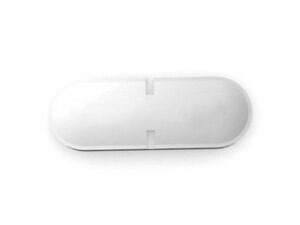
| Available Forms & Strengths | Film-coated tablets: 150 mg, 300 mg; Oral suspension: 50 mg/5 mL or 100 mg/5 mL |
| Manufacturers | SANOFI-AVENTIS, Apotex, Alphapharm, Pfizer, Sandoz (including generics) |
| Prescription Status | Prescription Only Medicine (Schedule 4, S4) |
Mechanism of Action
For Patients: Roxithromycin belongs to a group of antibiotics called macrolides. It fights bacterial infections by stopping bacteria from growing and multiplying. It does this by blocking the processes bacteria need to make proteins, which are essential for their survival.
For Specialists: Roxithromycin inhibits bacterial protein synthesis by binding to the 50S subunit of the bacterial ribosome, interfering with translocation and polypeptide elongation. It is primarily bacteriostatic but may be bactericidal at higher concentrations against certain pathogens.
Pharmacokinetics
- Absorption: Roxithromycin is well absorbed from the gastrointestinal tract. Peak plasma concentrations are usually reached within 2 hours (tablets) to 1–3 hours (oral suspension).
- Metabolism: Undergoes limited hepatic metabolism; majority excreted unchanged.
- Elimination: Mainly excreted in faeces (bile), with some via urine and minor through lungs.
- Duration of Action: Half-life is 10–14 hours, allowing for twice-daily or once-daily dosing.
Use in Everyday Life and Best Practices (Australia)
Roxithromycin is typically used for bacterial infections of the respiratory tract, skin, soft tissues, and certain sexually transmitted infections (STIs). In Australia, it is often prescribed as part of outpatient care for common infections. It is essential to complete the prescribed course, even if symptoms improve, to avoid antibiotic resistance. Tablets should be swallowed whole, with water.
Typical Adult Dosage: 300 mg once daily or 150 mg twice daily for 5–10 days as advised.
Paediatric Dose: Based on weight, as per doctor’s instructions.
Storage: Store below 25°C, out of reach of children, and away from moisture, in original packaging.
Dosing in the Morning vs Evening
- Advantages of Morning Dose: May help maintain a consistent routine. Morning doses can reduce risk of stomach upset overnight and aid adherence.
- Evening Dose Considerations: If splitting doses (e.g., 150 mg twice daily), keep 12-hour intervals. Evening doses are suitable for patients with busy mornings but ensure not to take too late close to bedtime if you experience digestive discomfort.
- Tips: Take at the same times each day to help remember and maintain steady medication levels.
Taking with Food or on an Empty Stomach
Roxithromycin is best taken at least 15 minutes before food or on an empty stomach, as food reduces absorption. For Australians with breakfast or evening dinners as main meals, plan your dose accordingly. If gastrointestinal upset occurs, the dose can be taken with a light meal, but effectiveness may be slightly reduced.
Interaction Warnings
| Interacting Substance | Possible Effect | Recommendation |
|---|---|---|
| Antacids | Reduced absorption | Take Roxithromycin at least 2 hours before or after antacids |
| Warfarin | Increased risk of bleeding | Monitor INR; consult doctor before use |
| Other Antibiotics | Reduced efficacy | Do not combine without medical advice |
| Rifampicin | Reduced effectiveness of Roxithromycin | Avoid combination |
| Alcohol | Increased stomach upset, reduced immune response | Limit or avoid alcohol |
| Dairy/Calcium-Rich Foods | No significant interaction | No dietary restrictions needed |
| Ergot Alkaloids | Risk of ergotism | Contraindicated; do not combine |
Indications
| Indication | Official (TGA-approved) | Off-label/Conditional |
|---|---|---|
| Respiratory tract infections (bronchitis, tonsillitis, pharyngitis, pneumonia) | ✔ | |
| Skin and soft tissue infections (impetigo, cellulitis) | ✔ | |
| Genitourinary infections (urethritis, cervicitis caused by Chlamydia trachomatis) | ✔ | |
| Dental infections | ✔ | |
| Pertussis (whooping cough) | ✔ (specialist recommendation) |
Dosing According to Clinical Indications
| Indication | Adults | Children (Based on Weight) | Elderly |
|---|---|---|---|
| Respiratory or skin infection | 300 mg once daily or 150 mg twice daily | 5–8 mg/kg/day in 1–2 doses | As adult dose (adjust if renal/hepatic impairment) |
| Chlamydial infection | 300 mg once daily for 10 days | Not routinely used | As above |
| Pertussis (prevention/treatment) | 150 mg twice daily for 10 days | As per doctor’s advice | Adjust for comorbidities |
Safety Profile and Side Effects
Common Side Effects:- Gastrointestinal upset (nausea, diarrhoea, abdominal pain, vomiting)
- Headache
- Mild skin rash
- Allergic reactions (swelling of face/lips/tongue, severe rash, breathing difficulty)
- Liver dysfunction (jaundice, hepatitis, abnormal liver tests)
- Severe diarrhoea (pseudomembranous colitis)
- Palpitations or arrhythmias (QT prolongation)
- Use with caution in patients with liver or severe kidney disease
- Seek immediate medical attention for serious allergic reactions
- Inform your doctor or pharmacist if you are pregnant, breastfeeding, or planning pregnancy
Guidelines for Proper Use (Australia)
- Always take Roxithromycin as prescribed by your doctor; never share with others.
- Complete the full course even if you feel better to reduce resistance risk.
- Set reminders (phone alarms, pill boxes) for dose regularity—especially important for shift workers.
- Report any side effects, especially allergies, to your GP or pharmacist immediately.
- Do not drive or operate heavy machinery if you feel dizzy or unwell after taking this medicine.
- For rural or remote Australia access, telehealth/pharmacy delivery can be arranged.
Alternative Treatment Options
- Clarithromycin: Similar spectrum, better for some respiratory infections; may be better tolerated but can interact with more medications.
- Azithromycin: Longer-acting, shorter course required; good for chlamydial and some respiratory infections, but more concerns about cardiac effects.
- Amoxicillin (± clavulanate): Broader spectrum, but not suitable for penicillin-allergic patients.
- Doxycycline: Effective alternative for some skin, respiratory, and tick-borne infections; not suitable for pregnant women or children under 8.
All alternatives may be subsidised under the Pharmaceutical Benefits Scheme (PBS) if clinically indicated in Australia. Choice depends on infection, allergies, local resistance patterns, and patient factors.
Legal, Registration, and Reimbursement Status in Australia
- Registered with the Therapeutic Goods Administration (TGA), Australia.
- Prescription required (S4); not available over-the-counter.
- Subsidised for eligible conditions on the PBS—patient co-payment rates apply.
- Consult your GP for PBS eligibility and private prescription options.
Latest Research and Clinical Guidance (2022–2025)
- Roxithromycin remains a recommended option for certain respiratory and skin infections per the latest Australian Therapeutic Guidelines: Antibiotic (2023 edition).
- Emerging evidence advises careful antibiotic selection to address community resistance (Byrne et al., MJA 2023).
- Current expert reviews reaffirm utility for Chlamydia and atypical Mycoplasma pneumoniae, but not for COVID-19, per National COVID-19 Clinical Evidence Taskforce guidance (2022–2024).
- Special note: Cardiac risk (QT prolongation) remains low, but patients with pre-existing rhythm problems should use with caution (Therapeutic Goods Administration, safety update 2024).
Availability and Delivery Information
| Pack Size | Contents | Indicative PBS Price* | Major City Delivery Times |
|---|---|---|---|
| 10 tablets | 150 mg or 300 mg film-coated tablets | AUD $6.70 (concession), $24.00+ (private) | Sydney, Melbourne, Brisbane: 1–2 business days; Perth, Adelaide, Hobart: 2–3 days |
| 20 tablets | 150 mg film-coated tablets | AUD $13.40 (concession), $28.00+ (private) | Sydney, Melbourne: next day; regional/rural: 3–4 days |
| Oral suspension | Powder for reconstitution 50 mg/5 mL, 100 mg/5 mL in 50 mL bottle | AUD $9.00 (average PBS) | Australia-wide: up to 5 business days |
*Prices may vary by pharmacy, insurance, and PBS eligibility.
FAQ – Common Patient Questions
1. Can I drink alcohol while taking Roxithromycin?It is best to limit or avoid alcohol while taking Roxithromycin, as it may increase the risk of stomach upset and reduce your immune system’s ability to fight infection efficiently.
2. What should I do if I miss a dose?
If you forget a dose, take it as soon as you remember. If it is close to your next dose, skip the missed dose. Do not double up to make up for it.
3. Is Roxithromycin safe during pregnancy or breastfeeding?
Inform your doctor if you are pregnant, planning pregnancy, or breastfeeding. Roxithromycin is generally not the first choice for use in pregnancy or lactation unless specifically advised.
4. Will Roxithromycin affect my contraceptive pill?
Roxithromycin does not interact with most hormonal contraceptives. However, if you experience vomiting or diarrhoea, contraceptive effectiveness may be reduced—see your GP for advice.
5. When should I see a doctor while taking Roxithromycin?
Contact your doctor if your symptoms do not improve after a few days, get worse, or if you experience severe side effects such as allergic reactions, jaundice, or severe diarrhoea.