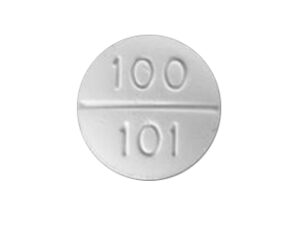
Cefuroxime: Patient Information Guide for Australia
Basic Product Information
| International Non-Proprietary Name (INN): | Cefuroxime |
|---|---|
| Australia Brand Names: | Zinnat®, Cefuroxime Sandoz®, Kefurox®, Movexx®, Ceftin® |
| ATC Code: | J01DC02 |
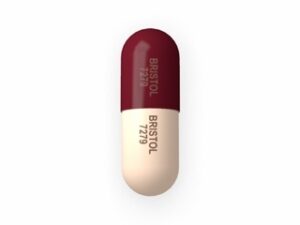
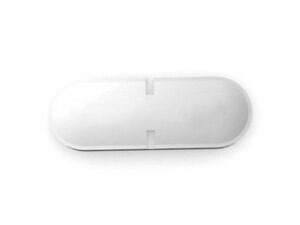
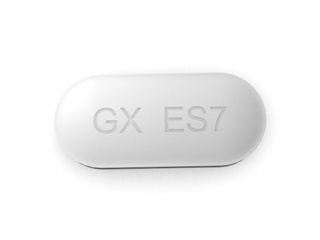
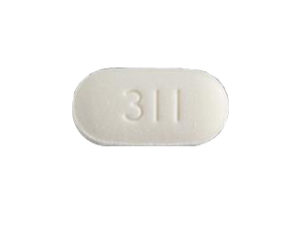
| Available Forms and Strengths: |
|
| Manufacturers: | GlaxoSmithKline, Sandoz, Alphapharm, Pfizer, and others |
| Prescription Status: | Prescription only (S4 in Australia) |
Mechanism of Action
For Patients: Cefuroxime is an antibiotic that works by killing bacteria which cause infections in your body. It stops the bacteria from building a protective cell wall, which they need to survive and multiply.
For Specialists: Cefuroxime is a second-generation cephalosporin with activity against both Gram-positive and Gram-negative organisms. It inhibits bacterial cell wall synthesis by binding to penicillin-binding proteins (PBPs), resulting in the inhibition of the final transpeptidation step of peptidoglycan synthesis in bacterial cell walls.
Pharmacokinetics
- Absorption: Well absorbed orally with enhanced absorption when taken after food. Oral bioavailability is approx. 50% (tablet), higher with food.
- Distribution: Widely distributes into tissues and body fluids, including the respiratory tract, sinuses, ear, urinary tract, and bones.
- Metabolism: Not significantly metabolised. Mainly excreted unchanged.
- Elimination: Cleared primarily by the kidneys. Plasma half-life about 1–1.5 hours in healthy adults.
- Duration of Action: Typically dosed every 12 hours.
Use in Everyday Life and Best Practices
Cefuroxime is usually prescribed for 5–10 days, depending on the infection. Always take it as directed, and complete the full course even if you start to feel better—stopping early may let the infection return or develop resistance.
- Tablets: Swallow whole with water. Do not chew or crush.
- Suspension: Shake the bottle well before use; measure the dose using the supplied dosing syringe or spoon.
- Injection: Given by healthcare professionals, usually in hospital or clinic settings.
Store tablets and suspension below 25°C. The reconstituted suspension should be refrigerated (2–8°C) and used within 10 days.
For advice tailored to your needs, consult your GP or pharmacist.
Dosing in the Morning vs Evening
Cefuroxime is typically taken twice a day, roughly 12 hours apart (e.g. 8am and 8pm), to ensure a constant level in the blood.
- Morning Dosing: Reduces risk of missing your evening dose, may fit better with daily habits.
- Evening Dosing: Helps balance doses throughout the day, but do not take doses too close together.
- Tips: Take at regular times each day; consider setting a reminder.
- Missed Dose: Take as soon as you remember unless it is nearly time for the next dose. Do NOT double up to make up for missed doses.
Taking with Food or on an Empty Stomach
Oral cefuroxime (especially tablets) is better absorbed when taken after a meal. In Australia, it can be taken with common foods such as toast, cereals, or yogurt at breakfast or dinner.
- Do take with food.
- Helps reduce stomach upset and improves the amount of medicine your body absorbs.
- Avoid grapefruit or high-calcium foods at the same time, as they may interfere with absorption.
Interaction Warnings
| Type | Interaction/Advice |
|---|---|
| Alcohol | No direct interaction, but large amounts can worsen side effects such as nausea or stomach upset. |
| Foods | Take with food to improve absorption. Avoid taking with grapefruit or high-calcium meals. |
| Antacids/Proton Pump Inhibitors | May reduce the absorption of cefuroxime. Avoid taking together; separate by at least 2 hours. |
| Oral Contraceptives | No significant reduction in effectiveness, but vomiting/diarrhoea may compromise absorption of contraceptives. Use additional protection if severe GI symptoms occur. |
| Blood Thinners (warfarin etc.) | Monitor for increased bleeding risk; rare but reported with cephalosporins. |
| Aminoglycoside Antibiotics | Higher risk of kidney side effects if combined. |
Indications
| Approved (TGA) Indications | Off-label/Other Uses |
|---|---|
|
|
Dosing According to Clinical Indications
| Indication | Adults | Children | Elderly |
|---|---|---|---|
| Respiratory tract infections | 250–500 mg twice daily (PO) | 10–15 mg/kg/dose twice daily (max 250–500 mg/dose) | Same as adults, adjust for kidney function |
| UTIs | 125–250 mg twice daily | 10 mg/kg twice daily (max 250 mg/dose) | Same, dose adjustment for renal impairment |
| Lyme disease | 500 mg twice daily | 10 mg/kg twice daily (max 500 mg/dose) | As above |
| Gonorrhoea (single dose) | 1,000 mg once | Not established | Same |
| Skin & soft tissue, otitis | 250–500 mg twice daily | 10–15 mg/kg twice daily | As adults, monitor renal function |
Always follow the dosing recommended by your doctor or pharmacist in Australia. Dosage may be lower in people with kidney problems.
Safety Profile and Side Effects
Most side effects are mild and may disappear as your body gets used to the medicine. Inform your doctor if severe or lasting complications arise.
| Common Side Effects | Rare/Serious Side Effects | Warnings |
|---|---|---|
|
|
|
Guidelines for Proper Use (Practical Australia Advice)
- Take at the same times every day for best results.
- Complete the prescribed course, even if you feel well before finishing.
- Keep out of reach of children.
- Do not share your antibiotics with others.
- For oral suspension, refrigerate and discard after 10 days.
- Rinse the mouth after taking the suspension to reduce risk of tooth discolouration.
- In case of allergy, seek immediate medical help (call 000).
- Return leftover medicines to your pharmacy for safe disposal.
Alternative Treatment Options (Australia PBS-Listed Antibiotics)
- Amoxicillin (± clavulanic acid): First-line for many mild to moderate infections. Less likely to cover some resistant bacteria. Often more affordable.
- Cefalexin: Another cephalosporin, mainly used for skin, soft tissue, and urinary infections. Similar safety profile.
- Macrolides (e.g., azithromycin, clarithromycin): Used for respiratory, skin, and some sexually transmitted infections; good for those with penicillin allergy.
- Doxycycline: Effective for some respiratory, skin, and tick-borne infections.
Choice depends on individual infection, allergies, resistance patterns, and PBS (Pharmaceutical Benefits Scheme) listing. Consult your GP or pharmacist.
Legal, Registration, and Reimbursement Status in Australia
- Legal status: S4 (Prescription Only Medicine). Only provided with a prescription from a registered medical practitioner.
- Approved by: Therapeutic Goods Administration (TGA), Australia.
- PBS listing: Cefuroxime is PBS-listed for specific indications.
- Subsidy: Most forms subsidised under the PBS for approved conditions; check your medicine pack or ask your pharmacist.
Latest Research and Clinical Guidance (2022–2025)
- 2024 RACGP guidelines recommend cefuroxime for moderate-severe community-acquired respiratory and urinary tract infections when first-line options are unsuitable.
- Australian Therapeutic Guidelines (2023 edition) reinforce its role as an alternative to penicillins for those with allergies but warn against overuse due to emerging resistance.
- The Australian Commission on Safety and Quality in Health Care’s Antimicrobial Stewardship programs recommend using the narrowest-spectrum antibiotic needed for each case to limit resistance.
- Recent data (Australian Journal of General Practice, 2024) show cefuroxime is well-tolerated in children, with rare but possible allergic reactions in those with previous beta-lactam allergy.
Availability and Delivery
Cefuroxime is readily available from most pharmacies with a valid prescription. If not in stock, most pharmacies can order for same-day or next-day pickup.
| Pack Size / Form | Average PBS Co-payment (concession/general) | Indicative Full Private Cost | Major Cities: Usual Delivery Time |
|---|---|---|---|
| Tablets 250 mg x 14 | $7.30 / $31.80 | $19–$42 |
|
| Oral suspension 125 mg/5mL (70 mL) | $7.30 / $31.80 | $18–$35 | As above |
| Injection 750 mg vial | $7.30 / $31.80 | $21–$46 | Hospital/Clinic supply |
Frequently Asked Questions (FAQ)
- How quickly does cefuroxime work?
Most people start to feel better within 2–3 days of starting cefuroxime, but always finish the course as prescribed. - Is cefuroxime safe in pregnancy and breastfeeding?
Cefuroxime is generally considered safe, but always inform your doctor if you are pregnant or breastfeeding. - What should I do if I miss a dose?
Take the missed dose as soon as you remember, unless it is close to your next dose. Do not double up. Consult your pharmacist for advice if unsure. - Can I drink alcohol while taking cefuroxime?
Moderate alcohol consumption is unlikely to cause problems but may increase side effects like stomach upset. Avoid heavy drinking. - How do I store cefuroxime suspension?
Store in a refrigerator at 2–8°C. Discard any unused suspension after 10 days.
If you have further questions, please speak to your GP, healthcare provider, or local community pharmacy. Always read the Consumer Medicine Information (CMI) leaflet included with your medicine.