
Suprax (Cefixime): Patient-Friendly Information for Australia
Basic Product Information
| International Non-proprietary Name (INN) | Cefixime |
|---|---|
| Australian Brand Names | Suprax, Cefoxim, Pexef |
| Anatomical Therapeutic Chemical (ATC) Code | J01DD08 |
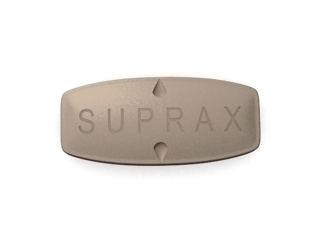
| Available Forms and Strengths | Tablets (200 mg, 400 mg), Oral Suspension (100 mg/5 mL) |
| Manufacturers (AU) | Alphapharm, Lupin, Sandoz |
| Prescription Status | Prescription only medicine (Schedule 4) |
Mechanism of Action
For Patients: Suprax contains cefixime, a cephalosporin antibiotic. This medicine helps your body fight infections caused by certain bacteria by stopping their ability to multiply and survive.
For Specialists: Cefixime is a third-generation oral cephalosporin with bactericidal activity, exerting its effect by binding to penicillin-binding proteins in the bacterial cell wall. This inhibits peptidoglycan synthesis, ultimately leading to cell lysis and death in susceptible organisms.
Pharmacokinetics
- Absorption: Oral bioavailability is about 40-50%. Tablets and suspension may have slight differences in absorption.
- Metabolism: Cefixime is minimally metabolised, with most of the drug excreted unchanged in the urine.
- Elimination: Approximately 50% is eliminated in the urine (glomerular filtration). Minor faecal elimination also occurs.
- Duration of Action: Plasma half-life is about 3–4 hours in healthy adults, prolonged in renal impairment.
Use in Everyday Life and Best Practices
Suprax is generally prescribed for short courses (5–14 days) to treat infections like urinary tract infections (UTIs), respiratory tract infections, some ear infections (otitis media), and certain sexually transmitted infections. Your doctor will decide if this medicine is right for you based on your health needs.
- Typical Adult Dose: 200–400 mg daily, taken as a single dose or divided into two doses (12 hours apart).
- How to Use: Take Suprax exactly as prescribed. Ensure you finish the entire course, even if you feel better, to completely clear the infection.
- Storage: Store tablets/suspension according to the manufacturer’s directions, usually below 25°C. Keep the oral suspension refrigerated once reconstituted and discard unused portion after prescribed duration.
Dosing in the Morning vs Evening
Suprax can usually be taken at any consistent time during the day. For once-daily dosing, choose a time that fits with your routine—morning is often preferred for convenience. If prescribed twice a day, try to take doses roughly 12 hours apart (e.g., 8am and 8pm).
- Morning Dosing: Aligns with regular daily routines, less likely to interrupt sleep, easier to remember with breakfast.
- Evening Dosing: May be more convenient for some, but try not to take close to bedtime if it upsets your stomach.
- Tip: Use an alarm or medication chart to help with regularity.
Taking With Food or on an Empty Stomach
You can take Suprax with or without food. Some people may find it easier on their stomach if taken after a light meal. There is no clinically significant impact of most Australian foods (e.g., typical breakfast or lunch) on the absorption of cefixime. If you experience nausea, try eating a small snack before each dose.
Interaction Warnings
| Interaction Type | Example | Advice |
|---|---|---|
| Food | High-fat meals | Minimal impact, but may slow absorption slightly |
| Alcohol | Wine, beer, spirits | Unlikely to interact, but avoid excessive drinking during infection recovery |
| Other Medicines | Antacids, Probenecid, Oral contraceptives, Warfarin | Antacids may reduce absorption (separate by 2 hours); Probenecid may increase cefixime levels; Oral contraceptives may be less effective—use barrier protection during treatment; Monitor INR if on warfarin |
| Vaccines | Live oral typhoid vaccine | Reduced effectiveness of vaccine |
Indications
| Official Indications | Off-label (Supported Use) |
|---|---|
| Uncomplicated UTIs, acute bronchitis exacerbations, pharyngitis, tonsillitis, otitis media, uncomplicated gonorrhoea | Typhoid fever, certain skin/soft tissue infections (guideline-dependent) |
Dosing According to Clinical Indications
| Indication | Adults | Paediatrics | Elderly |
|---|---|---|---|
| Uncomplicated UTI | 400 mg daily (single or divided dose) | 8 mg/kg/day, max 400 mg | As adult dose (adjust in renal impairment) |
| Respiratory Infection | 200–400 mg daily | 8 mg/kg/day | As above |
| Gonorrhoea | 400 mg single dose | Not routinely recommended | As adult dose |
| Otitis Media | 400 mg daily | 8 mg/kg/day | As above |
Note: All doses should be individualised, especially in kidney impairment or young children. Never exceed prescribed dose.
Safety Profile and Side Effects
| Common | Occasional/Rare | Serious Warnings |
|---|---|---|
| Nausea, diarrhoea, headache, stomach pain, indigestion, flatulence, mild skin rash | Vaginal thrush, oral thrush, mild liver function changes, dizziness | Severe allergic reaction (anaphylaxis), severe skin rash (Stevens-Johnson syndrome), severe diarrhoea (C. difficile colitis) |
Warnings:
If you experience signs of allergy (rash, swelling of the face/tongue, breathing difficulty) or persistent diarrhoea, stop the medicine and seek medical help immediately.
Tell your doctor if you are pregnant, breastfeeding, have kidney disease, or any allergies to cephalosporins or penicillins.
Guidelines for Proper Use
- Complete the full prescribed course, even if symptoms settle early.
- If you miss a dose, take as soon as you remember; if close to next dose, skip the missed one (do not double up).
- See your doctor if no improvement after 3–4 days, or if symptoms get worse.
- Always use a medicine measure for the oral suspension.
- Inform pharmacist or doctor about all medicines and supplements you take, including over-the-counter and naturopathic preparations.
- Dispose of leftover suspension after 14 days if unused.
Alternative Treatment Options
- Amoxicillin/Clavulanic Acid: Effective for a wide range of infections; available as PBS-subsidised. More likely to cause gastrointestinal side effects.
- Cefuroxime: Another oral cephalosporin, PBS-listed for respiratory and urinary tract infections. Similar efficacy, sometimes different side effect profile.
- Nitrofurantoin or Trimethoprim: For uncomplicated UTIs. Lower risk of resistance but unsuitable in some kidney conditions.
- Azithromycin: Useful for selected respiratory and some sexually transmitted infections. Different side effects and potential for QT prolongation.
Choice of antibiotic is based on infection, medical history, and recent PBS or eTG (Australian Therapeutic Guidelines) recommendations.
Legal, Registration, and Reimbursement Status in Australia
- Regulatory Agencies: Approved by the Therapeutic Goods Administration (TGA) for listed indications.
- Prescription only: Schedule 4, must be prescribed by a doctor or nurse practitioner.
- PBS status: Cefixime is available on the Pharmaceutical Benefits Scheme (PBS) primarily for specific indications (such as gonorrhoea and when first-line treatments are unsuitable).
Latest Research and Clinical Guidance (2022–2025)
- Recent eTG Complete and Australian Guidelines (2023–2024) recommend cefixime mostly for use when first-line antibiotics (e.g., amoxicillin, nitrofurantoin) are inappropriate due to allergy or resistance.
- Australian gonorrhoea treatment guidance (AIDS Society, RACP, 2024) lists single-dose cefixime 400 mg as an alternative to ceftriaxone, when injectable forms are unsuitable.
- Emerging studies (British Journal of Clinical Pharmacology, 2022–2025) highlight the importance of stewardship and confirm comparable efficacy to older cephalosporins with a similar side effect profile.
Availability and Delivery
| Form | Popular Packs | Indicative PBS Price |
|---|---|---|
| Tablet 400 mg | 6, 10, 14 | $18.60–$27.90 (with PBS subsidy for eligible indications) |
| Oral suspension (100 mg/5 mL) | 50 mL, 100 mL | $19.50–$33.00 |
Delivery Times (Major Australian Cities):
| City | Typical Pharmacy Processing | Courier/Express Option |
|---|---|---|
| Sydney | Same day (if in stock) | 2–8 hours |
| Melbourne | Same/next day | 4–12 hours |
| Brisbane | Same/next day | 4–10 hours |
| Perth | Next day (metro) | 8–24 hours |
| Adelaide | Same/next day | 4–10 hours |
FAQs on Suprax (Cefixime)
- Is Suprax safe for people with penicillin allergy?
Most people with penicillin allergy can take cefixime, but up to 10% may also react to cephalosporins. Always discuss with your doctor or pharmacist if you have had severe reactions to antibiotics before. - What if I forget a dose?
Take it as soon as you remember unless nearly time for your next dose. Do not double doses. Try using reminders to help stay on schedule. - Can I drink alcohol during Suprax treatment?
Moderate alcohol is unlikely to cause problems, but it’s best to avoid drinking, as alcohol may worsen infection symptoms or cause dehydration. - Will Suprax affect my contraception?
Some antibiotics can reduce the effectiveness of combined oral contraceptives. Use an extra barrier method (like condoms) during treatment and for 7 days after finishing Suprax. - When should I seek medical attention?
If you develop severe diarrhoea, allergic symptoms (rash, swelling, breathing difficulty), or if your symptoms do not improve after a few days, see your doctor without delay.
Please consult your doctor or pharmacist for individual advice. This information is an overview and is not a substitute for professional medical advice tailored to your health circumstances.