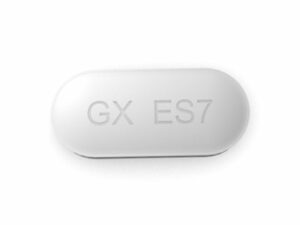
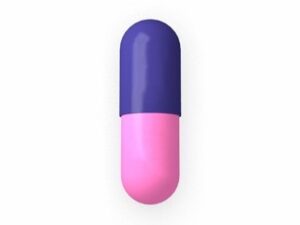
Advent DT (Amoxicillin/Clavulanic Acid): Comprehensive Patient Guide (Australia)
Basic Product Information
| International Nonproprietary Name (INN) | Amoxicillin/Clavulanic Acid |
|---|---|
| Australia Brand Names | Advent DT, Augmentin DUO, Curam, Amoclav, Amoxycillin/Clavulanic Acid Sandoz |
| ATC Code | J01CR02 |
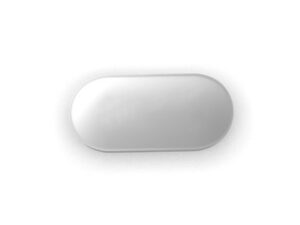
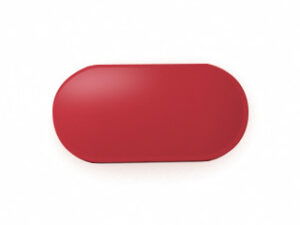
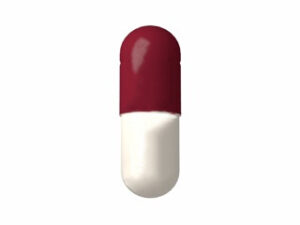
| Available Forms & Strengths | Dispersible Tablets (DT): e.g., 375 mg / 625 mg / 1000 mg (amoxicillin + clavulanic acid). Film-coated Tablets: 875 mg/125 mg, 500 mg/125 mg. Oral Suspensions: 400 mg/57 mg per 5 mL (primarily for children). |
| Manufacturers | Cipla, GlaxoSmithKline (GSK), Sandoz, Dr. Reddy's Laboratories, Apotex |
| Prescription Status in Australia | S4—Prescription Only Medicine |
Mechanism of Action
For Patients: Advent DT contains two medicines: amoxicillin (an antibiotic) and clavulanic acid (a beta-lactamase inhibitor). Amoxicillin kills the bacteria causing infections, while clavulanic acid helps protect amoxicillin from being broken down by certain resistant bacteria, making the combination more effective.
For Specialists: Amoxicillin inhibits bacterial cell wall synthesis by binding to penicillin-binding proteins; clavulanic acid inactivates a wide variety of beta-lactamases, enzymes produced by some bacteria that hydrolyse beta-lactam antibiotics, restoring antibacterial efficacy against beta-lactamase-producing strains.
Pharmacokinetics
- Absorption: Well absorbed orally; peak plasma concentrations within 1–2 hours after dosing in fasting adults.
- Metabolism: Amoxicillin is partially metabolised (~10% in liver); clavulanic acid undergoes significant hepatic metabolism.
- Elimination: Primarily renal (urine)—use with care in severe kidney impairment.
- Half-life: Approximately 1–1.5 hours for both components.
- Duration of Action: Dosing is typically required 2–3 times daily due to short half-lives.
Use in Everyday Life and Best Practices
- Usual Doses:
- Adults: 500/125 mg to 875/125 mg every 8–12 hours, depending on infection severity.
- Children: Dose based on weight, typically using oral suspension.
- How to Take:
- Take tablet at evenly spaced intervals as prescribed (usually every 8 or 12 hours).
- Swallow whole, or disperse dispersible tablets in water as per instructions.
- Complete the full course, even if symptoms improve earlier, to prevent resistance.
- Follow instructions given by your prescriber or Australian pharmacist.
- Storage: Store at room temperature, away from direct sunlight and moisture. Keep in original packaging out of reach of children.
- Missed Dose: Take as soon as possible. If nearly time for next dose, skip missed dose—do not double up.
Dosing in the Morning vs Evening
- Morning: May aid in remembering to take your medicine, especially if linked to breakfast.
- Evening: Useful if doses are to be evenly spread over 24 hours, e.g., every 12 hours (e.g., 8am/8pm).
- Tips: Set alarms, sync with regular meals, or use a medication reminder app.
- Consistency: Regular timing results in steadier antibiotic levels, improving effectiveness.
Taking with Food or on an Empty Stomach
- With Food: Taking Advent DT with a meal minimises stomach upset and improves absorption of clavulanic acid. In Australia, a typical light meal (breakfast, dinner) is sufficient—no need for high-fat foods.
- On an Empty Stomach: Can still be effective, but increased risk of gastrointestinal side effects (nausea, diarrhoea).
- Recommendation: Swallow tablets just before or with the start of a meal or substantial snack.
Interaction Warnings
| Type | Interaction | Advice |
|---|---|---|
| Food | Improves absorption of clavulanic acid, reduces GI side effects | Take with food when possible |
| Alcohol | No direct interaction, but may worsen stomach upset and reduce immune function | Limit or avoid alcohol during antibiotic course |
| Anticoagulants (e.g., warfarin) | Rarely, increased INR and bleeding risk | Monitor INR; inform prescriber |
| Allopurinol | Increased risk of rash | Notify your doctor if using both |
| Oral Contraceptives | Disruption of gut flora may (rarely) reduce contraceptive effectiveness | Consider additional contraception method during and 7 days after |
| Probenecid | Increases amoxicillin levels | Use only under medical supervision |
Indications
| Official (TGA-Approved) | Common Off-Label |
|---|---|
|
|
Dosing According to Clinical Indications
| Indication | Adults | Children | Elderly (Dosage Adjustment) |
|---|---|---|---|
| Sinusitis, pneumonia, otitis media, UTI (uncomplicated) | 500/125 mg every 8 hours OR 875/125 mg every 12 hours | 20-40 mg/kg/day amoxicillin divided every 8 hours (max 875/125 mg/dose) | As per adult; adjust for renal function |
| Skin/soft tissue infection, dental abscess | Same as above | Same as above (suspension preferred) | Same as above |
| Renal impairment | Adjustment required; consult specialist | Reduced dose/frequency | Reduced dose/frequency |
Always follow exact dosing instructions from your prescriber or pharmacist.
Safety Profile / Side Effects
The majority of patients experience little or no problems. However, as with any medication, side effects are possible.
| Common (>1%) | Uncommon (0.1–1%) | Rare (<0.1%) |
|---|---|---|
|
|
|
Warning: If you develop breathing difficulty, swelling of face/tongue/throat, or severe skin rash/blistering, seek emergency care immediately.
Other Risks: Prolonged use may result in superinfection with resistant organisms or yeast.
Guidelines for Proper Use (Australia)
- Only take if prescribed—do not share antibiotics.
- Take the full prescribed course, even if you feel better early.
- Report severe or persisting side effects to your doctor or pharmacist.
- Dispose of any leftover medicine via community Return Unwanted Medicines (RUM) bins at pharmacies.
- Do not use leftover antibiotics for future illnesses—each infection and person may require a different medicine.
- Inform your healthcare provider of other medications, allergies or past reactions.
- Notify if you are pregnant, planning pregnancy, or breastfeeding—special advice may be needed.
Alternative Treatment Options
- Cefalexin (PBS reimbursed): Suitable for many skin and urinary tract infections; cannot generally substitute for amoxicillin with clavulanic acid in mixed or resistant infections.
- Trimethoprim (PBS reimbursed): First-line for some simple UTIs, but not respiratory or skin infections.
- Phenoxymethylpenicillin (PBS reimbursed): Option for some throat, skin infections—less broad-spectrum than Advent DT.
- Macrolides (e.g. azithromycin, clarithromycin): Alternative in penicillin allergy, but resistance is an issue.
- Comparative Pros-&-Cons:
- Advent DT/Amoxicillin-clavulanate: Broader spectrum—covers more resistant bacteria, but higher risk of diarrhoea.
- Narrow-spectrum antibiotics: Fewer side effects, less pressure for resistance, but do not cover all infecting bacteria (especially those with beta-lactamase).
Legal, Registration, and Reimbursement Status in Australia
- Therapeutic Goods Administration (TGA): Registered and approved for use by TGA (AUST R numbers available on packaging).
- Prescription Only: S4 medicine—must be prescribed by a registered Australian doctor, dentist or authorized nurse practitioner.
- Pharmaceutical Benefits Scheme (PBS): Most common forms and strengths are reimbursed by PBS for approved indications—consult your prescriber or pharmacist regarding your specific needs and costs.
- National Immunisation Program (NIP): Not part of vaccination schemes, but important in infectious disease control.
- Workplace or travel restrictions: Not a restricted import; carry prescription when travelling interstate or overseas.
Latest Research / Clinical Guidance (2022–2025)
- Australian Therapeutic Guidelines (Antibiotic, 2023): Recommend amoxicillin/clavulanic acid for bite wounds, dental abscess, moderate respiratory infections where narrower agents are not suitable, and resistant pathogens present.
- Australian Commission on Safety and Quality in Health Care (2022): Advocates for judicious use—overuse can lead to resistance, especially in the community; physicians are urged to choose narrow-spectrum agents where possible.
- Cochrane Reviews & Recent Trials (2023–24): Confirm comparable efficacy of amoxicillin/clavulanic acid to other broad-spectrum agents; slightly higher incidence of gastrointestinal side effects but wider bacterial coverage.
- In paediatrics, recent evidence (Lancet Infectious Diseases, 2024) supports short courses (3–5 days) in certain infections, limiting adverse effects and resistance.
Availability and Delivery
- Popular Pack Sizes: 10, 14, 20, and 24-tablet packs for tablets; 70mL and 100mL bottles for suspension (children).
- Indicative Price: Varies with strength and PBS status. For PBS-eligible patients: Standard copayment (approx. AUD $30 or concessional $7.30 as at 2024); private script $30–60 per pack.
| City | Standard Delivery | Express Delivery |
|---|---|---|
| Sydney | 1–2 business days | Same-day (select pharmacies) |
| Melbourne | 1–2 business days | Same-day available |
| Brisbane | 2–3 business days | Same-day in metro area |
| Perth | 3–4 business days | Next-day delivery |
| Adelaide | 2–3 business days | Express options |
| Regional/Remote | 3–7 business days | Check with local pharmacy |
FAQ – Frequently Asked Questions
- Can I drink alcohol while taking Advent DT?
Moderate alcohol is unlikely to cause a direct reaction, but alcohol can add to stomach upset or nausea and may slow recovery. It's sensible to minimise or avoid alcohol until your course is finished. - Will Advent DT affect my contraceptive pill?
Although the risk is very low, antibiotics can cause diarrhoea or vomiting, which may reduce absorption of oral contraceptives. If this occurs, use condoms for extra protection during treatment and for 7 days after. - What should I do if I miss a dose?
Take the missed dose as soon as you remember. If your next dose is due soon, skip the missed one—do not double up. Try to take doses at even intervals to maintain steady levels. - How long should I take Advent DT?
Take the full course as prescribed, usually 5–10 days depending on the infection. Stopping early increases risk of resistance and incomplete cure. - Are there any foods I should avoid?
No specific foods need to be avoided. Take with any normal Australian meal (breakfast, lunch, dinner) to reduce stomach upset.
This information does not replace medical advice. Always consult your Australian doctor or pharmacist for tailored guidance on your antibiotic therapy.