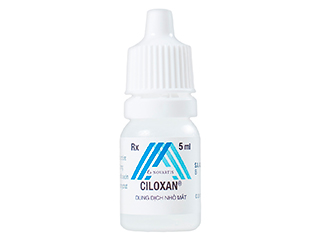
Ciloxan (Ciprofloxacin) - Patient Information Sheet
Basic Product Information
| International Non-Proprietary Name (INN) | Ciprofloxacin |
|---|---|
| Australia Brand Name(s) | Ciloxan® |
| Anatomical Therapeutic Chemical (ATC) Code | S01AE03 (ophthalmic use), J01MA02 (systemic use) |
| Available Forms and Strengths |
|
| Manufacturers | Alcon Laboratories (a Novartis company), various generic manufacturers |
| Prescription Status (AU) | Prescription Only Medicine (Schedule 4, S4) |
Mechanism of Action
For patients: Ciprofloxacin, the active ingredient in Ciloxan, is a type of antibiotic called a fluoroquinolone. It works by stopping the bacteria that cause infections in or around the eye from multiplying and spreading.
For specialists: Ciprofloxacin inhibits bacterial DNA gyrase (topoisomerase II) and topoisomerase IV, essential enzymes for bacterial DNA replication, transcription, and repair.
Pharmacokinetics
- Absorption: When used as eye drops/ointment, systemic absorption is minimal. For oral formulations, rapid absorption with peak blood levels in 1-2 hours.
- Metabolism: Partially metabolised in the liver; majority excreted unchanged in urine.
- Elimination: Primarily renal; very little passes into breastmilk or tissues with ophthalmic use.
- Duration of Action: For eye drops, frequent application is needed (every 2–4 hours) due to local elimination via tears.
Use in Everyday Life and Best Practices
Typical doses: For eye infections, Ciloxan is most commonly used as drops or ointment. Your doctor or pharmacist will advise you on the appropriate form and frequency.
- Eye drops (adults & children): 1–2 drops in the affected eye(s) every two hours while awake for the first two days, then 1–2 drops every 4 hours for the next 5 days.
- Eye ointment: Apply a small amount (about 1/2 cm ribbon) into the affected eye(s) 3 times daily.
- For severe infections: Your clinician may increase dosing frequency, then taper as infection improves.
- Always complete the full prescribed course, even if your symptoms improve.
- Wash hands before and after use.
- For drops: Tilt head back, gently pull down the lower eyelid, apply drops, and keep your eye closed for 1–2 minutes. Avoid touching the eye or lashes with the dropper.
- For ointment: Squeeze a small ribbon into the lower eyelid pocket, close your eye for 1–2 minutes, and blink gently.
- Do not wear contact lenses during treatment unless your doctor says it's safe.
Dosing in the Morning vs Evening
- For mild to moderate infections, try to apply the medicine at evenly spaced intervals during the day (e.g. every 4 hours, not just day or night).
- Consistency is key — using it at the same times each day helps treat the infection effectively.
- If you miss a dose, use it as soon as you remember, unless it’s nearly time for your next dose. Do not double dose.
- There is no significant difference for eye drops/ointment between morning and evening usage, but ensure overnight intervals between doses aren’t too long.
Taking With Food or On an Empty Stomach
For the ophthalmic forms (eye drops and ointment), food has no effect. There are no dietary restrictions for Ciloxan used in the eye.
If you are prescribed oral ciprofloxacin (occasionally for severe or complicated eye infections): absorption may be slightly reduced if taken with dairy products or calcium-rich foods (common in the English diet, such as milk, cheese, or yoghurt). It is best taken either 1–2 hours before or 4 hours after such foods.
Interaction Warnings
Ophthalmic use: Risk of systemic interactions is low. However, for oral ciprofloxacin and in specific cases, please consider:
| Substance | Type of Interaction | Advice |
|---|---|---|
| Dairy/calcium (oral forms) | Reduced absorption | Separate doses by at least 2 hours |
| Iron/magnesium supplements (oral forms) | Reduced absorption | Take ciprofloxacin 2 hours before or 6 hours after these supplements |
| Alcohol | Minimal interaction | Light drinking allowed, but avoid if unwell |
| Other eye drops | Possible dilution | Wait at least 5 minutes between eye medications |
| Anti-arrhythmics, tricyclic antidepressants | QT prolongation (oral forms) | Inform your doctor about all medicines you take |
Indications
| Approved Indications (Ophthalmic) | Details |
|---|---|
| Bacterial conjunctivitis (“pink eye”) | Infection of the conjunctiva (the white part of the eye) |
| Corneal ulcers | Bacterial ulcers on the eye’s surface |
| Off-label Indications | Details |
| Prevention of infection after eye injury | Under specialist guidance, post-foreign-body or trauma |
| Infections following eye surgery | When prescribed by an ophthalmologist |
Dosing According to Clinical Indication
| Indication | Adults | Children | Elderly |
|---|---|---|---|
| Bacterial conjunctivitis | 1–2 drops every 2 hours for 2 days, then every 4 hours | Same as adults | Same as adults; monitor for side effects |
| Corneal ulcers | 2 drops every 15 min for 6 hrs, then every 30 min for rest of first day. Taper as directed. | Safety established for >2 yrs. Use with caution in infants. | Same as adults |
| Off-label: prophylaxis after trauma | As per clinician instruction | As per clinician instruction | As per clinician instruction |
Safety Profile / Side Effects
Most people tolerate Ciloxan well, but like all medicines, it can cause side effects.
| Frequency | Possible Side Effects |
|---|---|
| Common (>1%) |
|
| Less common (~0.1–1%) |
|
| Rare (<0.1%) |
|
- Contact your doctor immediately if severe pain, increased redness, vision changes, or swelling occur.
- Do not drive or operate machinery until vision clears after use.
Guidelines for Proper Use
- Do not use Ciloxan if you are allergic to ciprofloxacin, other quinolones, or ingredients listed in the Consumer Medicine Information (CMI).
- If using other types of eye drops, space treatments at least 5 minutes apart.
- Remove contact lenses before application, unless your specialist advises otherwise. Wait at least 15 minutes before reinserting lenses.
- Store Ciloxan in a cool, dry place below 25°C. Discard any unused product 4 weeks after first opening.
- If symptoms do not improve after 7 days, or worsen, seek medical attention.
Alternative Treatment Options
- Chloramphenicol (Chlorsig®): Broadly available, first-line for many eye infections; less risk of allergic reaction, but not suitable for all bacteria. Available as eye drops and ointment and often reimbursed by the PBS.
- Fusidic acid gel (Fucithalmic®): Effective against some bacteria; applied less frequently, sticky texture.
- Gentamicin eye drops: Alternative aminoglycoside antibiotic for Gram-negative bacteria, but may be more irritating to the eye.
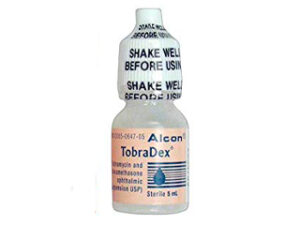
- Tobramycin eye drops: Effective for certain infections; specialist use often required.
Pros and cons may vary depending on bacterial resistance, prior treatments, and tolerance. Always follow GP/ophthalmologist advice for the most suitable choice.
Legal, Registration, and Reimbursement Status in Australia
- Regulatory Approval: Registered by the Therapeutic Goods Administration (TGA).
- Legal Classification: Schedule 4 (Prescription Only) — cannot be bought without a script from your doctor.
- Reimbursement: Ciloxan and some alternatives may be subsidised by the Pharmaceutical Benefits Scheme (PBS) for eligible conditions.
- Pharmacist Supply: Not available as Pharmacist-Only or OTC in AU.
Latest Research and Clinical Guidance (2022–2025)
- Recent guidelines from The Royal College of Ophthalmologists and Australian Therapeutic Guidelines (2022–2024) reaffirm topical ciprofloxacin as an effective treatment for bacterial conjunctivitis and corneal ulcers when used according to recommended dosing schedules.
- Research (Signorini et al., BMJ Open Ophthalmology, 2023) suggests resistance patterns are low for fluoroquinolones in eye infections in Australia, supporting its continued use for most typical pathogens.
- Topical use minimises risk of systemic side effects significantly; oral forms are rarely indicated for eye infections unless severe or with systemic complications.
- Caution is still advised where rapidly worsening symptoms, vision loss, or severe allergy history exist.
Availability and Delivery
| Form/Strength | Typical Pack Size | Indicative Price (AUD) | Delivery Time* |
|---|---|---|---|
| Eye drops 0.3% | 5 mL | $12–$16 (PBS scripts: subsidised) | 1–2 business days (Sydney, Melbourne, Brisbane), 2–4 days (regional areas) |
| Eye ointment 0.3% | 3.5 g | $13–$17 (PBS scripts: subsidised) | As above |
*Delivery times subject to pharmacy service and location.
Frequently Asked Questions (FAQ)
1. Can I use Ciloxan if I wear contact lenses?No, you should remove your lenses before using the drops or ointment. Wait at least 15 minutes before reinserting them. If you have been advised by your doctor to wear lenses during treatment, follow their instructions carefully.
2. How long does it take for Ciloxan to work?
Improvement is usually noticeable within 2–3 days for conjunctivitis, but you should complete the full course (5–7 days or as prescribed) to fully clear the infection.
3. What should I do if I miss a dose?
Use it as soon as you remember. If it’s almost time for your next dose, skip the missed dose — do not double up.
4. Is it safe to drive after using Ciloxan?
You may have temporarily blurred vision after applying eye drops or ointment. Wait until your vision is clear before driving or using machines.
5. Are there any long-term risks to using Ciloxan eye drops?
When used as prescribed for short-term courses, long-term risks are rare. Repeated or prolonged use may increase risk of yeast or resistant infections. Always follow your doctor’s advice regarding duration.
More Information
For further advice or to read the full Consumer Medicine Information (CMI), speak to your GP, pharmacist, or visit the Therapeutic Goods Administration (TGA) medicines database.