
Cenmox (Amoxicillin): Patient Information for Australia
Basic Product Information
| International Non-Proprietary Name (INN) | Amoxicillin |
|---|---|
| Australia Brand Names | Cenmox, Amoxil, Alphamox, Moxacin, others |
| ATC Code | J01CA04 |
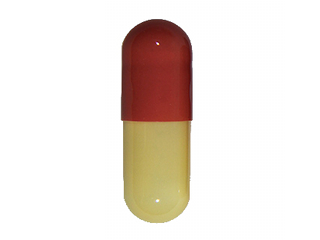
| Available Forms & Strengths | Capsules: 250 mg, 500 mg Tablets: 500 mg, 875 mg Oral Suspension: 125 mg/5 mL, 250 mg/5 mL |
| Manufacturers | Centurion Laboratories, Aspen, GlaxoSmithKline, Alphapharm, others |
| Prescription Status | Prescription Only Medicine (Schedule 4) |
Mechanism of Action
For Patients: Amoxicillin is a type of penicillin antibiotic. It works by stopping bacteria from building their cell wall, which is essential for their survival. This leads to the bacteria dying and the infection being cleared from your body. Amoxicillin does not work against viruses, such as those that cause colds or the flu.
For Clinicians: Amoxicillin acts by inhibiting the transpeptidation step in bacterial cell wall synthesis via binding to penicillin-binding proteins. It is bactericidal and broadly effective against many Gram-positive and some Gram-negative organisms.
Pharmacokinetics
- Absorption: Well absorbed orally (bioavailability ~75-90%), peak blood levels in 1–2 hours.
- Distribution: Widely distributed in tissues and body fluids, except for the brain and spinal cord (unless membranes are inflamed).
- Metabolism: Partially metabolised in the liver (circa 10–15%).
- Elimination: Primarily through the kidneys, with about 60% excreted as unchanged drug in urine within 6–8 hours. Half-life is around 1–1.5 hours in adults with normal kidney function.
- Duration of Action: Typically requires dosing three times a day, although some indications permit twice-daily dosing.
Use in Everyday Life and Best Practices
Amoxicillin is widely used in Australia to treat a variety of infections, including:
- Chest infections (such as pneumonia and bronchitis)
- Sinus and ear infections (otitis media, sinusitis)
- Throat infections (tonsillitis, pharyngitis)
- Urinary tract infections (UTIs)
- Skin and soft tissue infections
- Dental abscesses
- H. pylori eradication as part of combination therapy
Typical dosing schedule: Adults generally take 250–500 mg every 8 hours or 500–875 mg every 12 hours. Always follow your doctor’s instructions. Finish the entire prescribed course, even if you feel better, to prevent antibiotic resistance and relapse.
To use: Swallow capsules/tablets whole with water. Oral suspension should be shaken well, and the prescribed amount measured carefully. Store all forms as per label directions—most suspensions require refrigeration.
Dosing in the Morning vs Evening
Regularity is key! For best results, take amoxicillin evenly spaced throughout the day, aiming for the same times each day (e.g., 8am, 2pm, and 8pm for three times daily). This helps maintain constant antibiotic levels in your blood.
- Morning dosing: Helps establish a routine, may reduce missed doses.
- Evening dosing: Useful for bedtime doses in children; can improve adherence for twice-daily regimens.
Taking with Food or on an Empty Stomach
Amoxicillin can be taken with or without food. Absorption is not significantly affected by meals, though some people find it gentler on the stomach when taken with food or milk—this fits well with typical Australian eating patterns.
Tip: If you experience stomach upset, try taking it with meals. Avoid taking with acidic drinks like orange juice as they may make swallowing more difficult or cause mild stomach upset.
Interaction Warnings
| Interaction | Effect/Advice |
|---|---|
| Alcohol | Moderate drinking is not known to interact, but alcohol can worsen side effects (stomach upset, dizziness) and may impair recovery—best to avoid or minimise. |
| Anticoagulants (e.g., warfarin) | May increase bleeding risk; monitor INR. |
| Oral contraceptives | Minor risk of reduced effectiveness—use additional contraception during and 7 days after course. |
| Allopurinol | Increase in rash risk. |
| Other antibiotics | May counteract each other; use as directed only. |
| Probenecid | May increase amoxicillin blood levels; rarely used together now. |
Indications
| Indication | Official | Off-label (prescriber judgment) |
|---|---|---|
| Respiratory Tract Infections | Yes | --- |
| Ear, Nose, and Throat Infections | Yes | --- |
| Urinary Tract Infections (UTIs) | Yes | --- |
| Skin and Soft Tissue Infections | Yes | --- |
| Dental Abscesses | Yes | --- |
| Helicobacter pylori eradication | Yes (with other medicines) | --- |
| Lyme Disease, Chlamydia | --- | Prescriber may consider if appropriate |
Dosing According to Clinical Indication
| Indication | Age Group | Typical Dose | Comments |
|---|---|---|---|
| Chest, urinary, skin infections | Adult | 500 mg every 8h OR 875 mg every 12h | Adjust in severe infections |
| Chest, urinary, skin infections | Child (body weight-based) | 20–40 mg/kg/day in divided doses | Consult paediatrician for exact dose |
| H. pylori eradication | Adult | 1 g twice daily (in combination) | Use for 7–14 days |
| Elderly | Elderly Patient | Same as adult, but reduce in kidney impairment | Monitor renal function |
Safety Profile and Side Effects
| Type | Side Effect | How Common? | Further Advice |
|---|---|---|---|
| Common | Nausea, diarrhoea, skin rash | 5–10% | Usually mild; tell doctor if severe or persists |
| Occasional | Headache, dizziness | Rare | If severe, seek advice |
| Rare | Allergic reaction (hives, swelling, breathing difficulty) | <1% | Seek urgent medical help (triple-zero – 000) |
| Very Rare | Liver or blood disorders | <0.1% | Stop medicine, get urgent review |
Guidelines for Proper Use (Pharmacist/Clinic Advice)
- Take doses at evenly spaced times to maintain antibiotic levels
- Do not share antibiotics with others or use for non-bacterial illnesses
- Store oral suspensions in the refrigerator (unless label states otherwise)
- Complete the entire course, even if you are feeling better
- Dispose of any leftover suspension after 14 days (Australian regulations)
- If breastfeeding, inform your doctor—amoxicillin is generally safe but can cause mild diarrhoea in infants
- Contact your GP or pharmacist immediately if you experience allergic symptoms or severe diarrhoea
- Carry a medic alert if you have a history of penicillin allergy
Alternative Treatment Options
The Pharmaceutical Benefits Scheme (PBS) lists several other antibiotics for similar conditions:
- Cephalexin (Cephalexin Sandoz): Useful if allergic to penicillin, similar use for UTIs and skin infections
- Clarithromycin or Azithromycin: Used for respiratory infections, especially in penicillin-allergic patients (higher risk of drug interactions)
- Doxycycline (Doryx, Vibramycin): Used for respiratory or skin infections—but not for young children or pregnant women
- Nitrofurantoin: Narrow use (mainly UTIs)
Pros of Amoxicillin: Broad spectrum of action, generally well-tolerated, safe in pregnancy and children.
Cons: Not suitable if allergic to penicillins, resistance in some bacteria, may cause diarrhoea.
Legal, Registration, and Reimbursement Status in Australia
- Australian Register of Therapeutic Goods (ARTG): Approved for use by the Therapeutic Goods Administration (TGA)
- Prescription status: Schedule 4—Prescription Only Medicine (cannot be purchased over-the-counter)
- Pharmaceutical Benefits Scheme (PBS): Subsidised for most indications, subject to Medicare eligibility
- Rebates/Co-payments: Most patients pay only the standard PBS co-payment (as of 2024: $30 general, $7.70 concession per script)
Latest Research and Clinical Guidance (2022–2025)
- Australian Therapeutic Guidelines (2024): Amoxicillin remains first-line for many respiratory tract, ear, and dental infections. Reserve broader spectrum agents for resistant cases (source).
- Low-dose vs Standard-dose Debate: Recent (NHMRC, 2023) studies confirm standard-dosing achieves better bacterial eradication, but judicious prescribing essential to limit resistance.
- Alternatives for Allergic Patients: Cephalexin, doxycycline, and macrolides are still mainstays. Advance allergy testing is advised if uncertainty exists (RACGP guidelines, 2024).
- Pediatric Use: No new safety concerns. Suspension forms favoured for children due to ease of dosing and swallowing.
Availability and Delivery
Amoxicillin (Cenmox, other brands) is available throughout Australia at all community pharmacies. Most pharmacies carry popular sizes:
| Pack Size | Common Use | PBS Price (2024)* |
|---|---|---|
| 20 capsules (500 mg) | 7–10 days adult course | $30.00 general, $7.70 concession |
| 28 tablets (875 mg) | H. pylori eradication protocol | $30.00 general, $7.70 concession |
| 100 mL oral suspension (250 mg/5 mL) | Children 7–10 day course | $30.00, $7.70 concession |
Home delivery times (indicative, subject to pharmacy):
| City | Standard Delivery | Express Delivery |
|---|---|---|
| Sydney | 1–2 days | Same-day–1 day |
| Melbourne | 1–2 days | Same-day–1 day |
| Brisbane | 2–3 days | 1 day |
| Perth | 3–4 days | 2 days |
| Adelaide | 2–3 days | 1 day |
| Regional | 3–6 days | Not always available |
*Prices are indicative only; check current PBS rates and local pharmacy charges.
Frequently Asked Questions (FAQ)
- Can I drink alcohol while taking Cenmox?
Light to moderate alcohol isn’t specifically dangerous with amoxicillin, but it can worsen stomach upset and slow your recovery. It’s best to limit or avoid alcohol while taking any antibiotic. - Do I have to finish the whole course even if I feel better?
Yes. Stopping early increases the risk that the infection will come back or bacteria will become resistant to antibiotics. - What should I do if I miss a dose?
Take the missed dose as soon as you remember. If it’s almost time for your next dose, skip the missed one—do not take two at once to catch up. - Can I take Cenmox if I have a penicillin allergy?
No. Amoxicillin is a penicillin-type antibiotic. If you’ve had an allergic reaction to penicillin (rash, hives, swelling, breathing problems), alert your doctor and pharmacist immediately—alternative antibiotics can be prescribed. - Is Cenmox safe during pregnancy and breastfeeding?
Amoxicillin is generally considered one of the safest antibiotics during pregnancy and breastfeeding. However, always inform your doctor if you are pregnant, planning pregnancy, or breastfeeding before starting any new medicine.
For more details, speak with your pharmacist or doctor, contact HealthDirect Australia, or read the leaflet supplied with your medicine.