Rifampin – Patient Information and Guidance (Australia)
Basic Product Information
| International Nonproprietary Name (INN) | Rifampicin |
|---|---|
| Australian Brand Names | Rifadin, Rimycin, and generic brands |
| ATC Code | J04AB02 |
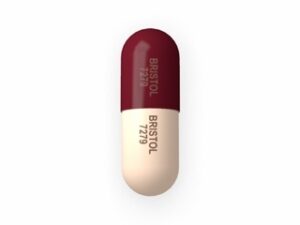
| Available Forms & Strengths | Capsules: 150 mg, 300 mg; Oral Suspension: 100 mg/5 mL; Injection: 600 mg (powder for solution) |
| Manufacturers (Australia) | Sanofi-Aventis, Mylan, Alphapharm |
| Prescription Status | Prescription only (Schedule 4, S4) |
Mechanism of Action
Simple Explanation: Rifampin (also known as rifampicin) is an antibiotic that kills bacteria by stopping them from making essential proteins, which prevents them from growing and spreading.
Specialist Detail: Rifampin inhibits DNA-dependent RNA polymerase in susceptible organisms, thereby suppressing RNA synthesis and ultimately protein production. This bactericidal effect is crucial in treating Mycobacterium tuberculosis and other pathogenic bacteria.
Pharmacokinetics
- Absorption: Rapidly absorbed after oral administration, with peak plasma concentrations in 2–4 hours. Food may reduce absorption.
- Distribution: Widely distributed throughout the body, including lungs, liver, and cerebrospinal fluid (CSF).
- Metabolism: Hepatic, mainly through deacetylation. Induces hepatic microsomal enzymes.
- Elimination: Primarily via bile and faeces, some renal excretion.
- Duration of Action: Half-life is about 3–5 hours but may shorten with chronic use.
Rifampin Use in Everyday Life and Best Practices
Rifampin is an essential antibiotic, most well-known for its role in treating tuberculosis (TB), as well as certain other infections like leprosy and some forms of meningitis. It is almost always used in combination with other antibiotics to prevent bacteria from developing resistance.
- Usual Adult Dose: For TB, typically 600 mg once daily, often taken with isoniazid and other agents.
- Paediatric Dose: Commonly 10–20 mg per kg (not more than 600 mg daily).
- How to Take: Swallow capsules whole with a glass of water; if using oral suspension, shake well. For injections, administration will be done in a clinic or hospital.
- Duration: TB regimens usually last 6 months or longer. Do not stop the medicine early without health professional advice.
- Regular Checks: Blood tests may be needed to monitor liver function and ensure the medicine is working safely.
Morning vs Evening Dosing
- Morning Advantages: Taking rifampin in the morning, at least 30 minutes before breakfast, maximises absorption and reduces the risk of missed doses due to daily activities.
- Evening Disadvantages: Evening doses may be associated with lower absorption (due to food), increased risk of forgetting, and possible interference with sleep if side effects occur.
- Tip: Take at the same time each day. Use reminders (phone alarms, pill boxes) to support regular use, especially for long treatment courses.
Taking with Food or on an Empty Stomach
Rifampin works best when taken on an empty stomach, ideally 1 hour before or 2 hours after meals. Food, particularly fatty or high-protein meals (e.g., bacon and eggs, full English breakfast), can reduce the amount of medicine absorbed into the body and lower its effectiveness. If you experience stomach upset, consult your doctor—sometimes splitting the dose may be an option.
Interaction Warnings
| Type | Interaction | Advice |
|---|---|---|
| Food | Decreased absorption with meals | Take on an empty stomach; avoid large, fatty meals close to dosing |
| Alcohol | Increased risk of liver problems | Avoid alcohol during treatment |
| Medications | Rifampin increases breakdown of many drugs |
|
Indications
| Condition | Official Use | Off-Label Use |
|---|---|---|
| Tuberculosis (TB) | ✔️ | |
| Leprosy | ✔️ | |
| Meningococcal prophylaxis | ✔️ | |
| Staphylococcal infections (esp. prosthetic devices) | ✔️ | |
| Latent Tuberculosis Infection (LTBI) | ✔️ | |
| Other rare gram-positive/gram-negative infections | ✔️ (case by case) |
Dosing According to Clinical Indications
| Indication | Adults | Paediatrics | Elderly |
|---|---|---|---|
| Tuberculosis | 600 mg once daily | 10–20 mg/kg (max 600 mg) | As for adults; monitor liver function |
| Latent TB Infection | 600 mg once daily for 4 months | 10–20 mg/kg daily | As for adults; monitor closely |
| Meningococcal Prophylaxis | 600 mg twice daily for 2 days | 10 mg/kg (max 600 mg) twice daily for 2 days | As for adults |
| Leprosy (multi-drug therapy) | 600 mg once monthly (supervised; with other agents) | 10–20 mg/kg once monthly | Same as adults unless liver function impaired |
Note: Doses may be adjusted for specific clinical situations. Always follow prescriber instructions.
Safety Profile & Side Effects
- Common: Orange-red discolouration of urine, tears, saliva (harmless); upset stomach, nausea, loss of appetite, tiredness
- Moderately common: Itchy skin, mild rash, flu-like symptoms, mild jaundice
- Serious/Rare: Severe allergic reactions, persistent vomiting, yellowing skin/eyes (jaundice), easy bruising or bleeding, fever or joint pain (potential hepatitis or blood disorders)
| Warning | Advice |
|---|---|
| Liver damage risk | Seek urgent medical advice for dark urine, pale stools, yellow eyes/skin |
| Interactions | Inform your doctor/pharmacist of all other medicines, including herbal and OTC products |
| Pregnancy | Safe in pregnancy when benefits outweigh risks; consult your doctor |
| Breastfeeding | Generally considered safe, but discuss with your health professional |
| Contact lens staining | Avoid use of soft contacts to prevent permanent staining |
Guidelines for Proper Use (Australia)
- Take the full course as prescribed, even if symptoms improve
- Report any signs of liver issues to your doctor promptly
- Discuss all other medicines, including vitamins and herbal supplements, with your pharmacist or doctor
- If you miss a dose, take it as soon as you remember, unless it is almost time for the next one
- Store at room temperature, out of reach of children
- For those using the Pharmaceutical Benefits Scheme (PBS) in Australia, check reimbursement rates with your pharmacist
- Do not share your antibiotics or stop them without doctor approval
Alternative Treatment Options (PBS reimbursed)
- Isoniazid (often used with rifampin; risk of neuropathy—vitamin B6 added)
- Ethambutol (for TB, often with isoniazid and rifampin)
- Pyrazinamide (usually first two months of TB treatment)
- Rifabutin (often used when rifampin interactions are problematic)
- Clarithromycin or Dapsone (for non-TB mycobacterial and leprosy infections)
Summary Table:
| Drug | Pros | Cons |
|---|---|---|
| Rifampin | Potent, effective, oral and IV forms, PBS reimbursed | Many drug interactions, liver risks |
| Rifabutin | Fewer interactions | Costly, not suitable for all TB |
| Isoniazid | Effective, long history of use | Neuropathy risk, needs monitoring |
| Ethambutol & Pyrazinamide | Useful in combos for TB | Specific side effects (eye, liver) |
Legal, Registration and Reimbursement Status in Australia
- Legal status: Schedule 4 (prescription-only) medication
- Registration: Listed by the Therapeutic Goods Administration (TGA)
- Reimbursement: Covered under the Pharmaceutical Benefits Scheme (PBS) for approved indications (e.g. TB, leprosy); patients may pay a co-payment depending on concession status
- Prescribing: Requires a prescription from an authorised medical practitioner
Latest Research & Clinical Guidance (2022–2025)
- Shorter regimens (e.g., four months of rifampin alone for latent TB) are recommended over longer isoniazid-only regimens, according to recent Australian guidelines.
- The 2023 World Health Organization TB guideline update continues to recommend rifampin-based combinations as first-line therapy for drug-susceptible TB.
- Ongoing research is evaluating rifampin’s use in combination with new/repurposed antibiotics for resistant infections (see: Spuy et al., Lancet Infect Dis 2023; Australian TB Working Group, 2024).
- Safety studies confirm the importance of regular liver monitoring during rifampin therapy, especially when combined with other hepatotoxic agents.
Availability and Delivery (Australia)
| Pack Size | Typical Supply | Indicative PBS Price* |
|---|---|---|
| 30 x 300 mg capsules | 1 month | $41.20 (general) / $7.70 (concession) |
| 60 x 150 mg capsules | 1 month | $39.90 (general) / $6.80 (concession) |
| 100 mg/5 mL oral suspension (100 mL) | – | $23.50 |
*Pricing is indicative and may vary. Check with your pharmacist for up-to-date pricing and PBS coverage.
| City | Expected Pharmacy/Online Delivery Time |
|---|---|
| Sydney | Same day – 2 business days |
| Melbourne | Same day – 2 business days |
| Brisbane | 1–3 business days |
| Perth | 2–4 business days |
| Adelaide | 1–3 business days |
| Regional/rural areas | 2–5 business days |
Frequently Asked Questions (FAQ)
1. Why has my urine turned orange after starting rifampin?
This is a normal effect of rifampin and is harmless. It may also stain sweat, saliva, and tears. Soft contact lenses can be permanently stained, so we recommend using glasses instead during your treatment.
2. Is it safe to drink alcohol while taking rifampin?
Avoid alcohol, as combining it with rifampin increases the risk of serious liver side effects. Speak to your healthcare provider if you need further advice.
3. Can I take my contraceptive pill with rifampin?
Rifampin can reduce the effectiveness of oral contraceptive pills. Use alternative or additional contraception during therapy, and discuss your options with your doctor or pharmacist.
4. What should I do if I miss a dose?
Take the missed dose as soon as you remember, unless it is close to your next regular dose. Do not double-up. Continue your usual schedule and inform your doctor if you miss multiple doses.
5. Do I need regular blood tests while taking rifampin?
Yes. Regular blood tests (especially liver function) are usually required, especially at the beginning of treatment or if you take other medicines affecting your liver.
Always seek personalised advice from your Australia-based doctor, infectious disease specialist, or pharmacist regarding your individual treatment and follow-up needs.