Zithromax Dispersible (Azithromycin): Patient Guide for Australia
Basic Product Information
| International Non-proprietary Name (INN) | Azithromycin |
| Australian Brand Names | Zithromax Dispersible, Zithromax, Apo-Azithromycin, Sandoz Azithromycin |
| ATC Code | J01FA10 |
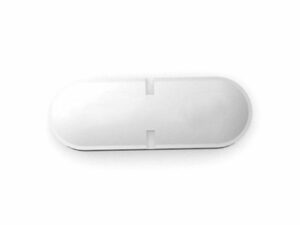
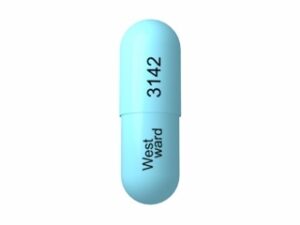
| Available Forms & Strengths | Dispersible Tablets: 100 mg, 200 mg, 500 mg Capsules: 250 mg, 500 mg Suspension (oral): 200 mg/5 mL |
| Manufacturers | Pfizer Australia Pty Limited, Sandoz, Apotex Generic options available |
| Prescription Status | Prescription Only Medicine (Schedule 4 - S4) |
Zithromax Dispersible (Azithromycin) is a widely prescribed antibiotic belonging to the macrolide class. It is available in Australia in several convenient forms, most notably as dispersible tablets which are easy to take—making them particularly suitable for children and those who prefer not to swallow pills.
Mechanism of Action
Simple Terms: Azithromycin works by stopping bacteria from growing and multiplying. It does this by blocking their ability to make vital proteins—essential for their survival. This helps your body’s immune system to clear up the infection.
For Healthcare Professionals: Azithromycin is a macrolide antibiotic that binds to the 50S subunit of bacterial ribosomes, inhibiting RNA-dependent protein synthesis. This action confers bacteriostatic activity, but azithromycin may be bactericidal at higher concentrations or against highly susceptible pathogens.
Pharmacokinetics
- Absorption: Rapid and extensive from the gastrointestinal tract; oral bioavailability approx. 37%.
- Distribution: Extensive tissue penetration; high tissue to plasma ratios; long tissue half-life.
- Metabolism: Predominantly hepatic; minimal CYP450 involvement, lowering risk of drug-drug interactions compared to other macrolides.
- Elimination: Largely eliminated unchanged in bile; minor renal excretion (~6%).
- Duration of Action: Terminal elimination half-life is about 2–4 days, allowing once-daily dosing and short treatment courses (typically 3–5 days).
Use in Everyday Life and Best Practices
Zithromax Dispersible is popular due to its convenient dosing—usually once per day and for shorter periods (3–5 days) compared to other antibiotics. The dispersible tablets can be dissolved in a glass of water and are suitable for adults and children.
- Typical Adult Dose: 500 mg once daily for 3 days, depending on the infection.
- Pediatric Dose: Based on weight – 10 mg/kg on day 1, then 5 mg/kg on days 2–5, or as directed by doctor.
- Form: Tablets can be dispersed in water. Please follow your pharmacist's directions carefully.
- Storage: Keep below 30°C, in a dry place, out of reach of children.
Dosing: Morning vs Evening
- Advantages of Morning Dosing: Reduces risk of missing doses; may minimise gastrointestinal side effects if taken after breakfast.
- Advantages of Evening Dosing: Helpful if patients are likely to forget in the morning; may allow coverage of night-time symptoms.
- Tip: Take at the same time every day. Morning dosing is generally preferred in Australia for consistency. Set an alarm or reminder if needed.
- Missed Dose: Take as soon as you remember unless it's almost time for your next dose. Do not double up.
Taking with Food or on an Empty Stomach
- Azithromycin can be taken with or without food.
- Some people may experience less stomach upset if taken after a light meal or snack.
- Traditional English and Australian breakfast choices such as toast, cereal, or fruit are suitable if needed.
- Dairy does not significantly affect absorption—but discuss with your pharmacist if you use calcium supplements.
Interaction Warnings
Azithromycin is less likely than many other antibiotics to cause drug interactions, but you should inform your healthcare provider of all medicines and supplements you are taking.
| Food or Drink | Effect | Pharmacist Advice |
|---|---|---|
| Food | Minimal effect on absorption | Take with or without food |
| Alcohol | No direct interaction, but may increase side effects | Best to avoid excessive intake during treatment |
| Medicines That May Interact | ||
| Antacids (containing magnesium or aluminium) | May reduce azithromycin absorption | Separate doses by at least 2 hours |
| Warfarin & blood thinners | Potential increased bleeding risk | Monitor INR; discuss with doctor |
| Other antibiotics (erythromycin, clarithromycin) | Not usually needed together | Check with doctor before combining |
| Heart medications (digoxin, some antiarrhythmics) | Potential increased effects or side effects | Regular monitoring advised |
Indications
| Condition | Use (Australia TGA Approved) | Notes |
|---|---|---|
| Respiratory tract infections | Official | Bronchitis, pneumonia (including “atypical” forms) |
| Otorhinolaryngological infections | Official | Sinusitis, tonsillitis, pharyngitis, otitis media |
| Skin & soft tissue infections | Official | Including impetigo, cellulitis |
| Sexually transmitted infections | Official | Uncomplicated genital chlamydia, urethritis, cervicitis |
| Traveller’s diarrhoea/certain gastroenteritis | Off-label | As directed by doctor |
| Prevention of MAC (Mycobacterium avium complex) | Specific populations | Usually in immunocompromised adults |
| Other bacterial infections | Off-label | According to specialist advice |
Dosing According to Clinical Indications
| Indication | Adult Dose | Pediatric Dose | Elderly Considerations |
|---|---|---|---|
| Common respiratory, ear, or skin infections | 500 mg once daily for 3 days | 10 mg/kg on day 1, 5 mg/kg on days 2–5 (max 500 mg/day) | Same as adult, monitor for side effects |
| Chlamydia trachomatis (genital) | Single 1 g dose | Not usually used | Same as adult |
| Prevention of MAC (HIV patients) | 1200 mg once weekly | Consult specialist | Same as adult |
- Always follow your doctor’s instructions. Do not use leftover antibiotics for new illnesses.
Safety Profile & Side Effects
| Frequency | Possible Side Effects |
|---|---|
| Common (1–10%) | Nausea, diarrhoea, stomach pain, headache, taste changes |
| Uncommon (~1%) | Rash, dizziness, fatigue, mild allergic reactions |
| Rare (<1%) | Severe allergic reaction (anaphylaxis), liver dysfunction, irregular heartbeat (QT prolongation, mainly in patients with cardiac disease) |
Seek immediate medical attention if you notice: swelling of face or throat, severe rash, confusion, persistent vomiting, yellowing of the skin/eyes, or palpitations.
- Report persistent side effects to your doctor or pharmacist.
- Azithromycin is generally considered safer than many other antibiotics, especially for those allergic to penicillins.
Guidelines for Proper Use
- Take the medicine at the same time each day; set a daily reminder if needed.
- Complete the full course—even if you feel better—to prevent resistance and relapse.
- Disperse tablet fully in a glass of water and drink all contents; rinse the glass and drink the rinse to ensure a full dose.
- Store at room temperature, away from moisture and direct sunlight.
- Do not share antibiotics with others or use leftovers without consulting a healthcare professional.
- Return unused or expired medications to your community pharmacy for safe disposal (in line with Australia’s RUM Project).
Alternative Treatment Options
- Amoxicillin or combinations (e.g. Augmentin®): Penicillin antibiotics for similar infections. Not suitable for people with penicillin allergy. Usually requires longer treatment.
- Doxycycline: Another option for chest infections, chlamydia, and some skin infections. Can cause sun sensitivity; not for children under 8 or pregnant women.
- Clarithromycin/Erythromycin: Related macrolides; more likely to cause GI side effects or interact with other drugs.
- Cephalexin: A cephalosporin used for many skin and urinary infections, but not first choice for respiratory tract infections.
- In Australia: Many alternatives are on the Pharmaceutical Benefits Scheme (PBS), but azithromycin is commonly prescribed for its short course and tolerability.
Legal, Registration, and Reimbursement Status in Australia
- Therapeutic Goods Administration (TGA): Azithromycin is registered for use in Australia.
- Prescription Required: Schedule 4 – prescription by a registered medical practitioner or nurse practitioner.
- Pharmaceutical Benefits Scheme (PBS): Many azithromycin products are PBS subsidised for eligible indications, reducing patient co-payment.
- Not available as an over-the-counter medication.
Latest Research and Clinical Guidance (2022–2025)
- Australian Therapeutic Guidelines: Antibiotic (2023 update): Azithromycin is reserved for where alternatives (including penicillins and doxycycline) are unsuitable, due to community resistance risks.
- COVID-19: Research (Aust Prescr. 2022;45:234-6) confirms azithromycin is not effective against COVID-19 and is not recommended for viral infections.
- Chlamydia: Remains a first-line treatment for uncomplicated chlamydia infection.
- Antimicrobial stewardship: Prescribers are encouraged to avoid unnecessary azithromycin use to minimise antibiotic resistance (Australian Commission on Safety and Quality in Health Care, 2023).
For further reading, consult the Therapeutic Guidelines and the NPS MedicineWise website.
Availability and Delivery
| Pack Size | Typical Indication | Approximate Price (PBS co-payment) |
|---|---|---|
| 3 x 500 mg dispersible tablets | Standard 3-day course for adults | $6.70 (concessional), $42.50 (general) |
| 6 x 250 mg tablets/capsules | Pediatric or specialist dosing | $6.70 (concessional), $42.50 (general) |
| Powder for oral suspension | Children who can’t swallow tablets | $6.70–$41.80 depending on size |
| Delivery Location | Estimated Delivery Time (Business Days) | Notes |
|---|---|---|
| Greater Sydney | 1–2 | Same-day available at some pharmacies |
| Melbourne & Brisbane | 2–3 | Express options for urgent needs |
| Regional NSW / VIC / QLD | 3–4 | Depends on pharmacy and postal services |
| Perth, Darwin, Hobart | 4–6 | Longer for remote areas |
All deliveries require a valid prescription. Ask your pharmacy about home delivery or collect in-store.
Frequently Asked Questions (FAQ)
- Can I take Zithromax Dispersible if I have a penicillin allergy?
Yes. Azithromycin is often used as an alternative in people allergic to penicillins. Let your doctor or pharmacist know all your allergies before starting any new medicine. - What if I miss a dose?
Take the missed dose as soon as possible. If it is almost time for your next dose, just take the next dose—do not double up. Try to take it at the same time every day. - Can I drink alcohol while taking azithromycin?
You should avoid excessive alcohol as it can worsen side effects like stomach upset. Modest or social drinking is not strictly contraindicated, but moderation is recommended. - How soon will I feel better?
Most patients improve within 2–3 days, but you must complete the entire prescribed course even if you feel well sooner. - Can I use azithromycin for COVID-19?
Current research shows azithromycin is ineffective against COVID-19 and should not be used for viral infections unless specifically prescribed by your doctor.
For further advice, ask your pharmacist or doctor, or consult the NPS MedicineWise Azithromycin page.