Norfloxacin: Patient Information for Australia
Basic Product Information
| International Non-proprietary Name (INN) | Norfloxacin |
| Australia Brand Names | Noroxin™, Norflohexal®, Norflox®, Norvic®, Apo-Norfloxacin |
| ATC Code | J01MA06 |
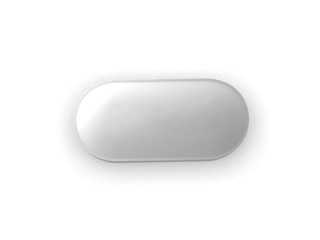
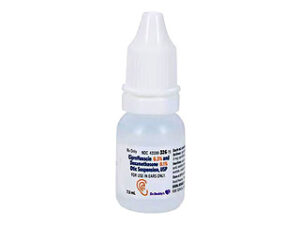
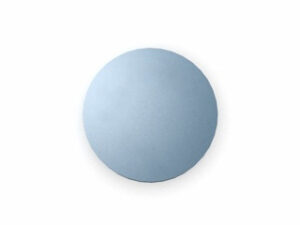
| Available Forms & Strengths | Film-coated tablets: 400 mg; Eye drops (rare in Australia) |
| Manufacturers | Merck Sharp & Dohme, Sandoz, Hexal, Mylan, Apotex |
| Prescription Status | Prescription only medicine (Schedule 4); Not available over the counter |
Mechanism of Action
For patients: Norfloxacin is a type of antibiotic that works by killing or stopping the growth of bacteria causing infections in your body. It is a fluoroquinolone antibiotic, which means it stops the bacteria from multiplying and repairing themselves.
For specialists: Norfloxacin inhibits bacterial DNA gyrase and topoisomerase IV, crucial enzymes for DNA supercoiling and replication. This leads to bacterial cell death. Its action is bactericidal and concentration-dependent.
Pharmacokinetics
- Absorption: Rapid and adequate absorption from the gastrointestinal tract; oral bioavailability around 30-40%.
- Peak plasma concentration (Tmax): Typically reached within 1-2 hours post-dose.
- Metabolism: Minimal hepatic metabolism. Most of the drug remains unmetabolised.
- Elimination: Mainly excreted via the kidneys; approximately 30-40% recovered in urine (unchanged) within 24 hours.
- Half-life: 3-4 hours in healthy adults; can be longer in renal impairment.
- Duration of action: Dosing typically twice daily.
Use in Everyday Life & Best Practices
- Common Indications in Australia: Uncomplicated and complicated urinary tract infections (UTI), some types of gastrointestinal infections, prostatitis, and rarely, sexually transmitted infections.
- How to Take: Usually one tablet (400 mg) by mouth every 12 hours, as directed by your doctor.
- Important Tips:
- Complete the entire course prescribed, even if you feel better.
- Never share with others — prescription is specific to you.
- If you miss a dose, take it as soon as you remember, unless it's almost time for the next dose (do not double up).
Dosing Morning vs. Evening
- Consistency is key: Aim for the same time every day, e.g., 8am and 8pm.
- Advantages morning dosing: Easier to stick to your routine, avoids missed doses.
- Disadvantages: Space doses evenly; do not take two doses too close together.
- Tip: Pair with mealtime reminders (see ‘Food’ section below).
Taking Norfloxacin With Food or On an Empty Stomach
Norfloxacin is best taken on an empty stomach, 1 hour before or 2 hours after meals. Food, especially dairy products like milk, yoghurt, or calcium-fortified foods, can reduce the absorption and effectiveness of the medicine.
- Take with a full glass of water.
- Avoid antacids, iron, or zinc supplements 2 hours before or after a dose.
- Australian diet note: Breakfast cereals and multivitamin drinks often contain added calcium or iron. Check labels and avoid close timing.
Interaction Warnings
| Interaction Type | Details & Advice |
| Food | Avoid dairy, calcium/iron-rich foods, and high-fibre meals within 2 hours of dosing. |
| Alcohol | No direct interaction, but avoid excessive alcohol as it may worsen side effects such as dizziness or GI upset. |
| Medicines | - Antacids, sucralfate: Reduce absorption. Space at least 2 hours apart.
- Warfarin: May increase bleeding risk. Monitoring INR is needed.
- Theophylline: Risk of toxicity. Dose adjustment may be required.
- Cyclosporine: May increase cyclosporine levels and kidney toxicity risk.
|
| Other | Avoid sunlight and use sun protection, as Norfloxacin may increase photosensitivity. |
Indications (Uses)
| Indication | Status in Australia |
| Uncomplicated UTIs (cystitis) | Official/Approved |
| Complicated UTIs, pyelonephritis | Cautious use, mainly if culture suggests susceptibility |
| Bacterial prostatitis (chronic/acute) | Approved |
| Bacterial gastroenteritis (e.g., travellers’ diarrhoea) | Selective/off-label on specialist advice |
| Gonorrhoea | Rarely used; resistance is common |
Dosing According to Clinical Indications
| Indication | Adults | Elderly | Children |
| Uncomplicated UTI | 400 mg every 12 hours, 3–7 days | 400 mg every 12 hours (reduce if renal impairment) | Not routinely recommended (safety concerns) |
| Complicated UTI | 400 mg every 12 hours, 7–14 days | 400 mg every 12 hours; adjust in renal impairment | Generally contraindicated |
| Prostatitis | 400 mg every 12 hours, 4–6 weeks | 400 mg every 12 hours; dose adjust as above | Not recommended |
| Traveller’s Diarrhoea | 400 mg every 12 hours, up to 5 days | 400 mg every 12 hours; shorter duration | Not recommended |
Safety Profile / Side Effects
- Common: Nausea, diarrhoea, abdominal discomfort, dizziness, headache.
- Uncommon/Rare: Skin rash, sun sensitivity, insomnia, confusion (elderly), tendon inflammation/pain (especially Achilles).
- Serious/Warn: Severe allergic reaction, difficulty breathing, swelling, severe diarrhoea (Clostridioides difficile), tendon rupture.
- Warnings:
- Risk of tendon injury, especially in people over 60 or on corticosteroids.
- Caution in epilepsy or history of seizures.
- Photosensitivity — avoid sunlamps and excessive sunlight.
- Not recommended in children/pregnancy unless necessary.
Guidelines for Proper Use
- Take tablets whole with a full glass of water.
- Stand or sit upright while swallowing (reduces risk of GI irritation).
- Finish the entire course, even if symptoms improve sooner.
- Report tendon soreness, muscle pain, severe diarrhoea, or allergic reactions to your doctor promptly.
- Limit sun exposure; wear hats and sunscreen when outdoors.
- Check with your pharmacist before taking vitamins or supplements at the same time.
- Store in a cool, dry place below 25°C; keep out of reach of children.
Alternative Treatment Options
- Trimethoprim: Often first-choice treatment for UTIs; single daily dose; low cost; comparable efficacy for cystitis.
- Nitrofurantoin: Effective for UTIs; avoid in renal impairment; usually well tolerated.
- Amoxicillin–clavulanate: Broader spectrum; suitable for mixed infections but may disrupt gut flora.
- Fosfomycin: Convenient single-dose option for cystitis; increasingly available.
- Ciprofloxacin: Another quinolone; broader activity but similar caution with tendon side effects.
- Pros of norfloxacin: Highly active against common urinary bacteria; oral dosing is convenient.
- Cons: Increasing antibiotic resistance; not suitable as first-line in many cases; side effect risks, especially tendon disorders.
- Health fund note: Alternatives like trimethoprim and nitrofurantoin are also listed as reimbursable options by the Pharmaceutical Benefits Scheme (PBS) for UTIs.
Legal, Registration and Reimbursement Status in Australia
- Listed on the Australian Register of Therapeutic Goods (ARTG)
- Regulated by the Therapeutic Goods Administration (TGA)
- Prescription only (Schedule 4, S4)
- Reimbursed for eligible indications under the PBS (with authority restrictions)
- Strict monitoring enacted due to safety concerns and resistance trends
- Not a first-line antibiotic for most infections due to resistance and safety issues
Latest Research & Clinical Guidance (2022–2025)
- Recent Australian and international guidelines (e.g., Australian Therapeutic Guidelines: Antibiotic v17, 2023) recommend restricting fluoroquinolone use to situations where other agents are unsuitable and resistance data support their use.
- Ongoing post-marketing surveillance suggests continued risk for tendon rupture and neurological side effects, especially in the elderly and those on corticosteroids (Australian Safety Update, TGA 2024).
- The spread of resistance, particularly in Escherichia coli, means that norfloxacin is less suitable for empirical use in UTIs — cultures and sensitivity tests should guide therapy.
- “Choosing Wisely Australia” campaign and the Antibiotic Stewardship initiatives stress avoidance of fluoroquinolones unless clearly indicated.
- Recent literature: “Antibiotic choices for UTI — A review of PBS data trends, 2022” (Aust Prescr 2023;46:98-104).
Availability and Delivery
| Pack Size | Typical Price (AUD) | Indicative PBS Price |
| 10 tablets | $14–$18 | Co-payment applies |
| 20 tablets | $25–$35 | Co-payment applies |
| City/Region | Typical Delivery Time from Dispensing Pharmacy |
| Sydney, Melbourne, Brisbane | Same day – 2 business days |
| Perth | 2–3 business days |
| Adelaide, Canberra | 1–2 business days |
| Hobart, Darwin, Regional Australia | 3–5 business days |
FAQ – Common Patient Questions
- Can I drink coffee or tea with Norfloxacin?
Yes, but take Norfloxacin with water and avoid coffee/tea within one hour either side to prevent stomach upset. Caffeine can worsen some side effects like jitteriness. - What should I do if I feel pain in my ankle or tendon while taking Norfloxacin?
Stop the medicine immediately and contact your doctor. Norfloxacin can rarely cause tendon inflammation or even rupture—especially in the Achilles tendon. - Can I drive while taking Norfloxacin?
Dizziness and confusion are rare but possible side effects. Avoid driving or operating heavy machinery if you feel unwell, dizzy, or confused. - Is Norfloxacin safe during pregnancy or breastfeeding?
It is not routinely recommended in pregnancy or while breastfeeding. Speak with your doctor about alternative antibiotics if you are pregnant, planning pregnancy, or breastfeeding. - Can I take probiotics or yogurt while on Norfloxacin?
Avoid taking probiotics or yogurt within 2 hours of Norfloxacin. These products can affect absorption. If taking probiotics for gut support, separate doses by several hours.
If you have any further questions, always ask your pharmacist or doctor for up-to-date and safe advice tailored to your situation.