Minocin (Minocycline hydrochloride): Patient-Friendly Medicine Guide for Australia
Basic Product Information
| International Nonproprietary Name (INN) | Minocycline hydrochloride |
|---|---|
| Common Brand Names (Australia) | Minocin®, Akamin®, Minomist® |
| ATC Code | J01AA08 |
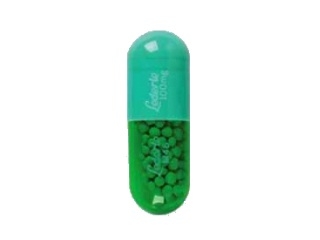
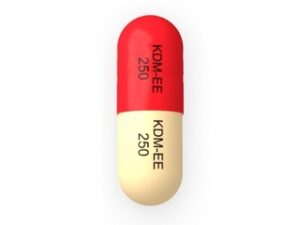
| Available Forms and Strengths | Capsules: 50 mg, 100 mg Tablets: Extended-release (100 mg) Oral suspension: Not currently marketed in Australia |
| Manufacturers | Pfizer Australia, Aspen Pharmacare, Generic Manufacturers |
| Prescription Status | Prescription Only Medicine (Schedule 4 in Australia) |
Mechanism of Action
In simple terms: Minocin is an antibiotic from the tetracycline family. It works by blocking bacteria from making the proteins they need to grow and multiply, helping your body fight infection more effectively.
For healthcare specialists: Minocycline reversibly binds to the 30S ribosomal subunit in susceptible bacteria, inhibiting protein synthesis by preventing aminoacyl-tRNA binding to the mRNA-ribosome complex. This action is generally bacteriostatic, though may be bactericidal at higher concentrations against certain organisms.
Pharmacokinetics
- Absorption: Well absorbed after oral administration (90–100%), peak plasma concentrations in 1–4 hours.
- Distribution: Widely distributed throughout the body tissues, including the skin and respiratory tract.
- Metabolism: Partially metabolised in the liver; has active and inactive metabolites.
- Elimination: Primarily via liver and biliary excretion. Approximately 10–15% excreted unchanged in urine.
- Terminal Half-Life: 11–23 hours, allowing once or twice daily dosing.
- Duration of Action: Suppressive concentrations maintained with regular dosing.
Use in Everyday Life and Best Practices
Minocin is typically prescribed for the treatment of bacterial infections, including moderate to severe acne, certain respiratory tract infections, urinary tract infections, and some rare or resistant infections such as those caused by certain atypical bacteria.
Typical daily dose:
- For adults: 100 mg every 12 hours (twice daily).
- For severe infections, an initial dose of 200 mg may be given.
- For acne vulgaris: 50–100 mg once or twice daily, depending on the doctor’s recommendation.
Take the capsule or tablet with a full glass of water. Remain upright (not lying down) for at least 30 minutes after each dose to reduce the risk of throat or oesophageal irritation. Complete the entire course, even if you start to feel better.
Dosing in the Morning vs Evening
- Morning dosing: May help if you’re prone to heartburn or reflux, as you’re awake and upright, reducing the risk of irritation.
- Evening dosing: Acceptable, but ensure you don’t lie down shortly after taking it.
- Tip: For best effectiveness, take your doses at the same times each day (every 12 hours if twice daily).
Taking with Food or on an Empty Stomach
- Minocin can be taken with or without food. Taking it with food may reduce stomach upset.
- Some foods high in calcium (such as milk, cheese, or yoghurt as commonly consumed in the Australian diet) may slightly reduce absorption, but this effect is less marked with minocycline compared to older tetracyclines. Avoid antacids or supplements with magnesium, aluminium, or iron around the time of your dose.
- Practical advice: If you often have breakfast with milk, try taking Minocin at a different time, or leave at least 2 hours between dairy products and your medicine.
Interaction Warnings
| Interaction | What to Watch For |
|---|---|
| Antacids/Calcium/Iron Supplements | May reduce absorption of Minocin. Take Minocin at least 2 hours before or after these products. |
| Retinoids (e.g. isotretinoin) | Increased risk of intracranial hypertension. Avoid combination unless necessary and monitored. |
| Warfarin | Potential to increase anticoagulant effect; may need closer INR monitoring. |
| Oral Contraceptives | Minocin may rarely reduce effectiveness; use additional contraception while taking and for 7 days after. |
| Alcohol | No major interaction, but heavy alcohol use can impair immune response and liver function. |
| Other antibiotics | Consult your doctor before combining with other antibiotics. |
Indications
| On-label (TGA Approved) | Common Off-label (Specialist Only/As Advised) |
|---|---|
|
|
Dosing According to Clinical Indications
| Indication | Adults | Adolescents (12–17 years) | Elderly |
|---|---|---|---|
| Acne Vulgaris | 50–100 mg once or twice daily | 50–100 mg once or twice daily | 50–100 mg once daily (lower starting dose if renal impairment) |
| Respiratory Infections | 100 mg twice daily | 100 mg twice daily | Adjust for renal/hepatic impairment |
| Chlamydia/STIs | 100 mg twice daily for 7 days | 100 mg twice daily for 7 days | Adjust for renal function |
| Rheumatoid Arthritis (Off-label, specialist) | 50–100 mg twice daily | Typically not used | Use with caution |
Always follow your doctor’s dosage instructions and consult your healthcare provider before changing or stopping your medicine.
Safety Profile and Side Effects
| Side Effect (Frequency) | Symptoms/Advice |
|---|---|
| Common (≥1/100): | Nausea, diarrhoea, dizziness, headache, skin rashes, increased sensitivity to sunlight (photosensitivity) |
| Uncommon (≥1/1,000): | Vestibular effects (vertigo/feeling unsteady), itchy skin, mouth ulcers, mild increases in liver function tests |
| Rare (<1/1,000): | Serious allergic reactions, lupus-like syndrome, depositions causing blue-grey pigmentation of skin or gums, autoimmune hepatitis, severe skin reactions (e.g., Stevens-Johnson syndrome) |
| Warnings: |
|
Guidelines for Proper Use (Advice for Australian Conditions)
- Take Minocin with a full glass of water and stay upright for 30 minutes afterwards.
- Avoid excessive sun exposure and always use SPF 30+ sunscreen, as minocycline can make your skin more sensitive to sunlight, common in Australia’s sunny climate.
- Never share your antibiotics with others and don’t use leftover medicine from a previous illness.
- If you miss a dose, take it as soon as you remember, unless it’s almost time for your next dose—do not double the dose.
- If used for acne or long-term conditions, regular follow-up with your doctor and periodic blood tests are advised.
- Return unused or expired medicine to your pharmacy for safe disposal.
Alternative Treatment Options
- Doxycycline: Another tetracycline with similar uses. Often once daily, slightly less vestibular side effects, but increased sunburn risk. Also reimbursed on PBS.
- Erythromycin: Alternative for those who cannot take tetracyclines, but higher rates of gastrointestinal upset, and more frequent doses.
- Trimethoprim or Nitrofurantoin: Alternative for urinary tract infections.
- Benzoyl Peroxide/Topical Retinoids: For acne, may be used alone or with oral antibiotics.
- Reimbursement status: Minocin and alternatives such as doxycycline are listed on the Pharmaceutical Benefits Scheme (PBS) for approved indications.
Legal, Registration, and Reimbursement Status in Australia
- Therapeutic Goods Administration (TGA): Registered for use in Australia.
- Pharmaceutical Benefits Scheme (PBS): Reimbursed for select indications, including severe acne and some infections.
- Schedule: Prescription Only Medicine (Schedule 4 – S4).
- Supply: Available by prescription from your GP, dermatologist, or specialist; dispensed by Australian pharmacies.
- Specialist Supervision: Off-label uses may require specialist oversight and additional consent.
Latest Research and Clinical Guidance (2022–2025)
- Recent systematic reviews (British Journal of Dermatology 2023, Australasian College of Dermatologists) support minocycline for moderate to severe inflammatory acne, when other options are unsuitable or ineffective.
- Emerging studies on minocycline’s off-label use in autoimmune and neuroinflammatory conditions (e.g., multiple sclerosis adjunct, refractory rheumatoid arthritis) are ongoing but not yet standard of care.
- Guidelines emphasise antibiotic stewardship: use the shortest effective course and combine with non-antibiotic treatments when possible to reduce antimicrobial resistance.
- Special caution remains regarding adverse effects, especially in young, elderly, and those with liver or kidney impairment.
Availability and Delivery
| Pack Size | No. of Capsules/Tablets | Indicative PBS Price (2024, patient co-payment) |
|---|---|---|
| 50 mg Capsules | 100 | AUD $30.00–$42.50 (with prescription) |
| 100 mg Capsules/Tablets | 60 | AUD $30.00–$48.20 (with prescription) |
| Extended-release Tablets | 30–60 | Variable, depends on brand and PBS status |
| City | Typical Pharmacy Delivery Time (business days) |
|---|---|
| Sydney | Same-day or next-day for most pharmacies |
| Melbourne | Same-day or next-day |
| Brisbane | Next-day to 2 days |
| Perth | 2–3 days (may vary by location) |
| Adelaide | Next-day to 2 days |
Check with your local or online pharmacy regarding stock and delivery options—availability can vary by location and brand.
Frequently Asked Questions (FAQ)
- Can I take Minocin with my usual breakfast cereal and milk?
Minocin can be taken with food to reduce stomach upset, but dairy can slightly reduce its absorption. It’s best to separate your dose from dairy products by at least 2 hours for full effectiveness. Taking the medicine with a light meal or water is a good option. - How long does it take for Minocin to work on acne?
Improvements in acne are typically noticeable after 4–6 weeks, but it can take up to 12 weeks for maximum effects. It’s important to finish the full course and have regular reviews with your doctor. - What should I do if I miss a dose?
Take the missed dose as soon as you remember, unless it’s almost time for your next dose. Never double up. Continue with your usual schedule. - Can Minocin cause sunburn or skin rashes?
Yes, Minocin can increase sensitivity to sunlight. Always use high SPF sunscreen and protective clothing when outdoors, especially given Australia’s high UV index. - What happens if I stop Minocin suddenly?
Stopping Minocin early may allow your infection or acne to come back. Always finish the full course unless your doctor advises you to stop due to a side effect.
For more information, always consult your doctor, pharmacist, or the Therapeutic Goods Administration (TGA) website. Report any suspected side effects via the TGA's online form or to your healthcare provider.