Myambutol (ethambutol hydrochloride): Patient-Friendly Medicine Guide
Basic Product Information
| Active Ingredient (INN) | Ethambutol hydrochloride |
| Brand Names in Australia | Myambutol |
| ATC Code | J04AK02 |
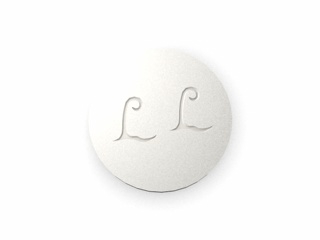
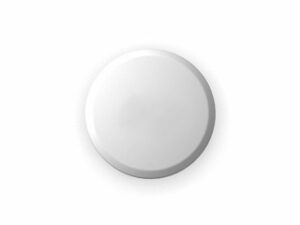
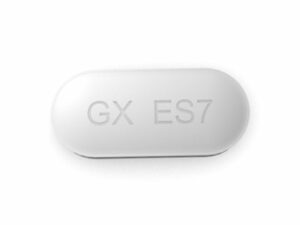
| Available Forms and Strengths | Tablets: 100 mg, 400 mg |
| Manufacturers | Mylan Health, APS, Sigma Pharmaceuticals, Aspen Pharmacare |
| Prescription Status | Prescription only (S4 medicine in Australia) |
Mechanism of Action
Simple Explanation: Myambutol works by stopping certain bacteria—specifically the bacteria that cause tuberculosis (TB)—from growing and multiplying in your body. It does this by interfering with how the bacteria build their own cell walls.
For Healthcare Professionals: Ethambutol hydrochloride exerts its antimycobacterial activity by inhibiting arabinosyl transferases, which are involved in the polymerisation of arabinogalactan—an essential component of the mycobacterial cell wall. This ultimately impairs cell wall synthesis in Mycobacterium tuberculosis and other mycobacteria.
Pharmacokinetics
- Absorption: Well absorbed (approx. 75–80%) from the gastrointestinal tract after oral administration.
- Distribution: Widely distributed throughout body tissues and fluids, including the lungs and kidneys.
- Metabolism: Partially metabolised in the liver; main metabolites are inactive.
- Elimination: Mainly excreted unchanged by the kidneys (urine); small amount via bile.
- Half-life: About 3–4 hours in patients with normal kidney function; longer in those with renal impairment.
- Duration of action: Effective for ~24 hours with once-daily dosing.
Use in Everyday Life & Best Practices
- Who uses Myambutol: People diagnosed with active tuberculosis (TB), often as part of a combination therapy.
- Typical doses: Adults: Usually 15–25 mg per kg of body weight, taken once daily.
- How to use: Your pharmacist will help you calculate your specific dose based on your weight. It is important to take this medicine every day, at the same time, to maintain steady levels in your body.
- English context: Most TB treatment in the UK and Australia is provided through supervised programmes (like the DOT—Directly Observed Therapy), coordinated by your local tuberculosis service or hospital clinic.
Dosing in the Morning vs Evening
- Morning dosing:
- Often recommended to establish a routine and due to potential mild upset stomach, as taking in the morning after breakfast may help.
- Easier monitoring of potential side effects (such as vision changes), as you’re awake and active during the day.
- Evening dosing:
- May be better for patients with morning nausea—can be taken with evening meal.
- Avoid if you find it impacts your sleep or if your regular schedule makes it easier to remember in the morning.
- Tip: Take your medicine at the same time every day to help you remember and maintain consistent medication levels.
Taking with Food or on an Empty Stomach
- Myambutol can be taken with or without food. Taking it with food may help avoid stomach upset, which some people experience with this medication.
- There is no significant effect of typical English or Australian dietary habits (e.g., toast, cereals, tea/coffee at breakfast) on the absorption of this medicine.
- Avoid very high-fat meals, which might slightly slow down absorption, but this is not usually clinically significant.
Interaction Warnings
| Substance / Food | Interaction/Advice |
| Alcohol | Avoid excessive alcohol. Can increase risk of liver side effects, especially when other TB medications (rifampicin, isoniazid) are taken. |
| Antacids (Aluminium/Magnesium) | Can reduce absorption of Myambutol. Separate doses by at least 2–4 hours. |
| Other TB drugs (isoniazid, rifampicin) | Routine combination is safe, but increases need for liver/eye monitoring. |
| Warfarin & oral anticoagulants | Monitor INR more frequently; anti-TB drugs can interact with warfarin metabolism. |
| Kidney medications/Diuretics | Inform your doctor. Dose adjustments may be needed in renal impairment. |
Indications
| Indication | Therapeutic Role | Status in Australia |
| Active Pulmonary and Extrapulmonary Tuberculosis | Part of a multi-drug regimen (first-line treatment) | Approved (PBS-listed) |
| Non-tuberculous Mycobacterial Infections | Second-line or adjunctive therapy | Considered off-label; specialist initiation |
Dosing According to Clinical Indications
| Population | Indication | Standard Dose | Max Dose |
| Adults | TB (with other drugs) | 15–25 mg/kg once daily | 2.5 g (usually not exceeded) |
| Children (>1 month) | TB (with other drugs) | 15–20 mg/kg once daily | Varies; dose verified by specialist |
| Elderly (over 65) | TB (with other drugs) | 10–15 mg/kg once daily | Careful titration/adjustment |
| Renal impairment | All | Dose reduction/interval adjustment required | By nephrologist/consultant |
Duration of treatment: Typically 2 months in intensive TB phase; longer if indicated, always as part of combination therapy.
Safety Profile and Side Effects
| Frequency | Side Effect | Notes |
| Common | Visual disturbances (blurring, colour vision changes) | Regular eye checks recommended |
| Common | Joint pain, loss of appetite, nausea | Usually mild, may improve with time |
| Uncommon | Skin rash, itching | Report to doctor |
| Rare | Severe allergic reactions | Stop medicine, seek immediate help |
| Rare | Liver problems | Monitor with regular blood tests |
| Very rare | Nerve inflammation (peripheral neuropathy) | More likely at high doses |
- Warning: Eye problems may be reversible if detected early—tell your doctor promptly if you notice any vision changes.
- Use with caution if you have kidney problems.
- Regular review by your TB clinic is important for monitoring.
Guidelines for Proper Use (Australia Focus)
- Always take Myambutol as prescribed by your doctor—do not stop early, even if you feel better.
- Discuss with your pharmacist about safe storage, especially in households with children.
- Never share your TB medicine; these treatments are carefully tailored to you.
- If you forget a dose, take it as soon as you remember, but do not double-dose.
- Routine vision testing (with an optometrist or at your clinic) is required, especially for treatment longer than 2 months.
- Participate in any local TB support programs available via your primary care network or hospital.
Alternative Treatment Options in Australia
- Rifampicin (+isoniazid, pyrazinamide): Standard first-line TB therapy, usually co-prescribed with Myambutol. Potential for liver interaction and skin reactions.
- Streptomycin: Injectable aminoglycoside; used when oral therapy is not suitable, but higher risk of hearing/renal side effects.
- Levofloxacin/Moxifloxacin: Second-line agents for resistant TB; not first-choice due to greater side effect risk and cost.
- Pros and Cons: Myambutol is often preferred for its oral formulation, good tolerability, and activity against resistant TB strains. Alternatives may be needed for intolerance or resistance—your TB specialist will explain the best strategy for your case.
Legal, Registration & Reimbursement Status in Australia
- Regulatory bodies: Registered with the Therapeutic Goods Administration (TGA), Department of Health (Australia).
- Legal status: Prescription only (S4)—supplied by registered pharmacists on authority of a medical practitioner.
- Reimbursement: Listed on the Pharmaceutical Benefits Scheme (PBS)—full or partial cost covered for approved indications (mainly TB, not always non-tuberculous infections).
- Prescription requirements: Individual script required; in some cases, specialist TB service scripts are mandated.
Latest Research & Clinical Guidance (2022–2025)
- Current Australian guidelines (“Therapeutic Guidelines: Antibiotic” 18th Edition, updated 2024) recommend ethambutol as part of first-line combination therapy for TB, with routine monitoring of vision and kidney function.
- Studies published in The Lancet Respiratory Medicine (2023) confirm good efficacy and safety profile at standard doses when prescribed as part of a multidrug regimen.
- No major changes in resistance profile or significant new side effect findings; emphasis remains on personalised dosing and early detection of visual symptoms.
Availability & Delivery
| Pack Size | Approximate PBS Price | Availability |
| 100 mg, 100 Tablets | AUD $15–$25 (with PBS) | Common—most Australia pharmacies, hospital supply |
| 400 mg, 100 Tablets | AUD $35–$45 (with PBS) | Common—may require pharmacy order; always in hospital TB clinics |
Delivery Times to Major Cities (indicative) | City | Estimated Pharmacy Delivery (Standard) | Hospital Dispensary Collection |
| Sydney | 1–2 working days | Same or next day |
| Melbourne | 1–2 working days | Same or next day |
| Brisbane | 2–3 working days | Same or next day |
| Perth | 3–4 working days | Same or next day |
| Hobart | 2–3 working days | 1–2 days |
Frequently Asked Questions (FAQ)
- Can I drink alcohol while taking Myambutol?
It's best to limit alcohol, as it can increase the risk of liver side effects, especially if you are on other TB medications. Moderate alcohol use may be permitted, but always check with your doctor. - Will Myambutol affect my eyesight?
Myambutol can sometimes cause changes in vision, including colour vision and sharpness. This is rare and usually reversible when caught early. Report any vision changes immediately, and attend your regular eye checks. - What if I miss a dose?
Take the missed dose as soon as you remember on the same day. If it's nearly time for your next dose, skip the missed one—do not double-dose. Consistency is important for TB control. - How long will I need to take Myambutol?
Typical treatment lasts at least 2 months, but can be longer depending on your circumstances. It is always used with other anti-TB medicines. - Is Myambutol safe during pregnancy/breastfeeding?
Generally, Myambutol may be used if clearly needed, as recommended by TB specialists. Inform your doctor if you are pregnant, planning to become pregnant, or breastfeeding.
Please consult your doctor, pharmacist, or local tuberculosis service for more personalised advice and support regarding your Myambutol therapy.