
Ilosone (Erythromycin): A Comprehensive Guide for Australia Patients
Basic Product Information
| International Non-proprietary Name (INN) | Erythromycin |
|---|---|
| Brand Names in Australia | Ilosone, E-Mycin, Eryc, Erythrocin |
| ATC Code | J01FA01 |
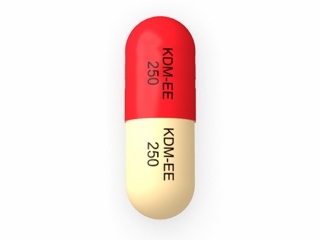
| Available Forms/Strengths | Tablets (250mg, 500mg), Capsules (250mg, 400mg), Oral Suspension (125mg/5mL, 250mg/5mL), Topical Cream/Ointment, IV Injection (Hospital use) |
| Manufacturers | Abbott Australasia, Aspen Pharmacare, Generic providers |
| Prescription Status | Prescription Only Medicine (S4) |
Mechanism of Action
For Everyone:
Erythromycin is an antibiotic that helps your body fight bacterial infections. It stops bacteria from growing by blocking the processes that allow them to make the proteins they need to live and multiply.
In Simple Specialist Terms:
Erythromycin is a macrolide antibiotic. It binds reversibly to the 50S subunit of bacterial ribosomes, inhibiting translocation during protein synthesis, leading to bacteriostatic action and, at higher concentrations, bactericidal effects against susceptible organisms.
Pharmacokinetics
- Absorption: Erythromycin is moderately well absorbed after oral administration. Blood levels are higher when taken on an empty stomach.
- Metabolism: It is metabolised mainly by the liver (CYP3A4 pathway).
- Elimination: Erythromycin is mainly excreted in the bile, with a small amount through the urine.
- Duration of Action: Erythromycin generally needs to be taken two to four times daily due to its half-life of 1.5–2.5 hours.
Use in Everyday Life–Best Practices
Ilosone (Erythromycin) is most commonly used to treat respiratory tract infections, skin infections, some sexually transmitted infections (STIs), and as an alternative for patients allergic to penicillin. Always follow your doctor or pharmacist's instructions. Typical adult doses are 250mg–500mg every 6–12 hours. Children’s dosing is usually determined by their body weight.
- Take each dose at evenly spaced intervals to keep a consistent level in your blood.
- Don’t skip doses and finish the entire course, even if you start to feel better.
- If you miss a dose, take it as soon as you remember—but do not double up on your next dose.
- Store below 25°C; protect the suspension from light in the fridge and shake well.
- Always check with your doctor before stopping, as stopping early can cause infection to return or worsen.
Dosing in the Morning vs Evening
- Advantages of Morning Dosing: May help reduce the risk of missed doses due to daily routine, aligns with natural gastric activity which may aid absorption.
- Evening Dosing: Can be helpful if you experience stomach upset; however, some patients may forget due to irregular sleep times.
- Tip: Try to take erythromycin at the same time(s) each day for the best effect. Setting a phone reminder can help keep you on track.
Taking with Food or on an Empty Stomach
Erythromycin is best absorbed on an empty stomach (at least 30 minutes before or 2 hours after food). However, if you find it upsets your stomach, it's okay to take it with a light meal. Foods high in fat may slow absorption. In Australia, a typical light meal might include toast or cereal—avoid very heavy or fatty or spicy foods close to your dose.
Interaction Warnings
| Interaction Type | Examples | Advice |
|---|---|---|
| Food | Dairy, fatty meals | May reduce absorption—prefer on empty stomach |
| Alcohol | Beer, wine, spirits | Moderate use unlikely to interact but may increase risk of stomach upset |
| Medications | Warfarin, statins, antihistamines (terfenadine), some antipsychotics, ergot alkaloids, ciclosporin | May increase or change effects—check with your doctor or pharmacist for possible interactions |
| Other | Grapefruit juice | Can increase risk of side effects—avoid large amounts |
Indications
| Official (Therapeutic Goods Administration - TGA) | Off-Label / Specialist |
|---|---|
|
|
Dosing According to Clinical Indications
| Indication | Adults | Paediatrics | Elderly |
|---|---|---|---|
| Respiratory tract infections | 250–500mg every 6–12 hours for 7–14 days | 30–50mg/kg/day in 2–4 divided doses | As adult; monitor liver & kidney function |
| Skin infections | 250–500mg every 6–12 hours | 20–40mg/kg/day in 2–4 divided doses | As adult; adjust if impaired liver function |
| Chlamydia/non-gonococcal urethritis | 500mg every 6 hours for 7 days | Consult specialist | As adult |
| Acne (topical) | Apply thin layer to the affected area twice daily | As directed by doctor | As adult |
Safety Profile and Side Effects
| Frequency | Side Effect | Advice |
|---|---|---|
| Common | Nausea, vomiting, diarrhoea, abdominal pain, loss of appetite | Most are mild and may improve as your body adjusts |
| Occasional | Rash, mild skin reactions, headache | Speak with your pharmacist/doctor if troublesome |
| Rare but Serious | Hearing changes, severe allergic reaction, liver problems (yellowing of skin or eyes), abnormal heart rhythm (QT prolongation) | Stop medicine and seek urgent medical help |
Guidelines for Proper Use – Advice for Australia Patients
- Always complete your full prescribed course, even if symptoms resolve early.
- Don't share your medication with others or use leftover antibiotics.
- Keep medication in its original packaging, protected from heat and moisture, and out of reach of children.
- If you experience ongoing vomiting or severe diarrhoea, talk to your healthcare professional right away to assess risk of dehydration.
- Contact your GP promptly if you develop swelling, shortness of breath, or signs of severe allergy.
- Travelling? Carry a copy of your prescription, especially for air travel within Australia.
- Bring unused or expired antibiotics to your community pharmacy for safe disposal ("Return Unwanted Medicines" program).
Alternative Antibiotic Options Reimbursed in Australia
- Amoxicillin – Broad-spectrum, usually first-line unless allergic; can be less effective for "atypical" pathogens.
- Clarithromycin – Similar class; sometimes used if erythromycin causes side effects or interactions.
- Doxycycline – Useful for respiratory/skin infections, but not for children under 8 or during pregnancy.
- Cephalexin – Commonly reimbursed, well-tolerated, not suitable for penicillin-allergic patients.
Comparative Pros & Cons:
- Erythromycin has a long track record and proven safety, but more frequent dosing and potential interactions compared to some alternatives.
- Clarithromycin and doxycycline require less frequent dosing but may not suit all conditions and have their own side effect profiles.
- Consult your doctor or pharmacist to discuss which antibiotic is right for your condition, allergies, and lifestyle.
Legal, Registration, and Reimbursement Status in Australia
- Regulator: Therapeutic Goods Administration (TGA), Commonwealth Department of Health
- Legal Status: Prescription only medicine, Schedule 4 (S4)
- Reimbursement: Available on the Pharmaceutical Benefits Scheme (PBS) for approved indications. Consult your doctor or pharmacy team for eligibility details.
- Registration: Registered and regulated in Australia by local and international manufacturers.
Latest Research and Clinical Guidance (2022–2025)
- Respiratory infections: Erythromycin remains effective for Bordetella pertussis (whooping cough), though macrolide resistance is growing (Australian Prescriber, 2022).
- Motility disorders: Ongoing research supports erythromycin’s off-label role in treating gastroparesis as a second-line agent (Australian Journal of General Practice, 2023).
- Safety updates: Warnings on QT prolongation and drug interactions remain critically important (Therapeutic Guidelines, 2024 update).
- Comparative trials: Recent studies highlight clarithromycin’s better bioavailability and improved dosing schedule, though not always necessary for all cases (BMJ, 2025).
Availability and Delivery in Australia
| Pack Size | Form | Indicative PBS Price (patient co-pay)* | Estimated Delivery (to major cities) |
|---|---|---|---|
| 28 tablets | 500mg | $7.30 | Sydney: Next day Melbourne: Next day Brisbane: 1–2 days Perth: 2–3 days Adelaide: 1–2 days |
| 100mL bottle | 250mg/5mL oral suspension | $7.30 | Same as above |
*PBS prices are subject to change and depend on your eligibility; check with your pharmacy for the latest details.
Frequently Asked Questions (FAQ)
- Should I take Ilosone with food or on an empty stomach?
- For best absorption, take it on an empty stomach. But if it causes stomach upset, you can take it with food. - Can I drink alcohol while taking erythromycin?
- Moderate alcohol is unlikely to interact directly, but erythromycin can upset your stomach, as can alcohol. Limit alcohol to minimise side effects. - What should I do if I miss a dose?
- Take your missed dose as soon as you remember unless the next dose is due soon. Never double up. If in doubt, ask your pharmacist. - Can I drive or operate machinery on erythromycin?
- Generally, yes. Rarely, erythromycin causes dizziness or confusion. If this happens, do not drive and contact your doctor. - What should I watch out for as serious side effects?
- Seek care if you notice yellowing of your skin/eyes, severe rash, swelling, or trouble breathing.
Summary
Ilosone (Erythromycin) is a well-established antibiotic with a strong safety record, commonly used in Australia for respiratory, skin, and some STI infections—especially when penicillin cannot be used. Carefully follow your doctor or pharmacist's advice, complete your course, and speak up quickly about any side effects or concerns. For more detailed information, contact your healthcare provider or community pharmacy.