Minomycin (Minocycline): Patient Information Leaflet
1. Basic Product Information
| International Nonproprietary Name (INN) | Minocycline |
|---|---|
| Australia Brand Names | Minomycin, Akamin, others |
| ATC Code | J01AA08 |
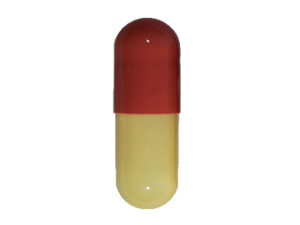
| Available Forms and Strengths | Capsules (50 mg, 100 mg); Tablets (100 mg); Started packs and multiples available |
| Manufacturers | Pfizer Australia, iNova Pharmaceuticals (Australia), Mylan Health (Australia), and others |
| Prescription Status | Prescription only medicine (S4) |
2. Mechanism of Action
In Simple Terms: Minomycin contains minocycline, an antibiotic from the tetracycline group. It works by stopping the growth of bacteria, helping your immune system fight the infection more effectively.
For Specialists: Minocycline inhibits bacterial protein synthesis by binding to the 30S ribosomal subunit. It is bacteriostatic, with broad-spectrum activity against Gram-positive and Gram-negative organisms, as well as certain atypical pathogens (e.g., Chlamydia, Mycoplasma).
3. Pharmacokinetics
- Absorption: Well absorbed orally (90–100%) and less affected by food compared to other tetracyclines.
- Distribution: Widely distributed, penetrates well into tissues and body fluids, including skin and respiratory tract.
- Metabolism: Partially metabolised by the liver.
- Elimination: Excreted via urine and faeces. Half-life is approximately 16–18 hours.
- Duration of Action: Allows for once or twice daily dosing due to prolonged activity.
4. Use in Everyday Life and Best Practices
Minomycin is commonly prescribed in Australia for conditions like acne, various skin and respiratory infections, and some sexually transmitted infections. It is important to take Minomycin exactly as your doctor prescribes—usually once or twice daily, depending on your condition.
- Take capsules with a full glass of water to reduce irritation to your throat or stomach.
- Do not lie down immediately after taking the medicine, ideally remain upright for at least 30 minutes.
- Complete the entire course, even if symptoms improve, to prevent antibiotic resistance.
- Use protection from sunlight, as minocycline may increase sensitivity to UV rays common in Australia.
5. Dosing: Morning vs Evening
Minomycin can be taken in the morning or evening, based on your routine and doctor’s advice. Morning dosing is often preferred to avoid lying down soon after the dose, which reduces the risk of oesophageal irritation.
- Morning dosing: Reduces risk of throat/stomach irritation; easier to remember with breakfast.
- Evening dosing: Acceptable if taken several hours before bedtime; avoid lying down within 30 minutes.
The most important factor is consistent timing each day.
6. Taking with Food or on an Empty Stomach
Unlike older tetracyclines, Minomycin's absorption is less affected by food or milk. You may take it with or without food, depending on stomach comfort. However, avoid taking it with dairy products, antacids, or supplements containing calcium, iron, or magnesium within two hours, as these can reduce its effectiveness. Many Australians take their dose with a meal to minimise stomach upset.
7. Interaction Warnings
| Substance/Food | Interaction | Advice |
|---|---|---|
| Dairy (milk, yoghurt, cheese) | May decrease absorption slightly (less than other tetracyclines) | Separate doses by at least 2 hours if possible |
| Antacids (containing Al, Mg, Ca) | Reduces absorption | Avoid taking together |
| Iron supplements | Reduces absorption | Separate by 2–3 hours |
| Alcohol | No direct interaction, but may increase risk of side effects | Limit alcohol; talk to your health professional |
| Oral contraceptives | Possible reduced contraceptive efficacy | Consider additional contraception during antibiotic course |
| Anticoagulants (e.g., warfarin) | May increase anticoagulant effects | Monitor INR levels |
| Other antibiotics | Risk of antagonism | Use only if prescribed together by your doctor |
8. Indications
| Official (TGA approved) | Off-label (evidence-supported) |
|---|---|
|
|
9. Dosing According to Clinical Indication
| Indication | Adults | Children (over 12 years, >45 kg) | Elderly |
|---|---|---|---|
| Acne vulgaris | 50–100 mg once or twice daily | Same as adult dose | Consider lower initial dose; monitor kidney/liver function |
| Respiratory/STIs/Urogenital infections | 100 mg every 12 hours | Same as adult dose | Monitor for adverse effects |
| Skin/soft tissue infections | 100 mg every 12 hours | Same as adult dose | Monitor co-morbidities |
| Paediatric (<12 years) | Minocycline is not recommended due to risk of tooth discolouration and effect on bone growth. | ||
10. Safety Profile and Side Effects
- Common: Nausea, dizziness, diarrhoea, skin rash, photosensitivity (sensitivity to sunlight), mild headache.
- Occasional: Skin pigmentation (bluish/greyish spots), vestibular disturbances (feeling unsteady).
- Rare but Serious: Allergic reactions, liver toxicity, systemic lupus erythematosus-like reactions, increased intracranial pressure.
| Severity | Possible Side Effects |
|---|---|
| Mild | Nausea, vomiting, slight dizziness, mild headache, increased sensitivity to sunlight |
| Moderate | Persistent severe headache, skin discolouration, ringing in ears, confusion |
| Serious (seek urgent help) | Swelling of face/tongue/throat, difficulty breathing, severe skin rash, peeling, yellowing of the eyes/skin, severe abdominal pain |
11. Guidelines for Proper Use
- Always take minocycline exactly as your doctor has prescribed.
- For best results, take at regular times each day.
- Complete the prescribed course, even if you start to feel better early.
- Use sunscreen (SPF 30+) and protective clothing outdoors, as UV exposure is high in Australia and minocycline increases sun sensitivity.
- Let your doctor know about all medicines or supplements you are taking.
- If you miss a dose, take it as soon as you remember unless it is nearly time for your next dose. Never double up doses.
- Store below 25°C, dry location, out of reach of children.
- Report any side effects or allergic symptoms to your pharmacist or doctor promptly.
12. Alternative Treatment Options
- Doxycycline: Similar effectiveness for acne and infections; slightly less risk of vestibular side effects; may be reimbursed under PBS for some indications.
- Tetracycline: Older option, less commonly used due to frequent dosing and more food interactions.
- Lymecycline: Occasionally prescribed, good skin penetration.
- Macrolides (e.g., erythromycin, azithromycin): Alternative for those unable to take tetracyclines; higher resistance rates in Australia.
- Topical agents for acne: Clindamycin gel, benzoyl peroxide, retinoids; used for mild-moderate cases or in combination.
Discuss with your doctor or pharmacist which treatment best suits your needs and PBS reimbursement status.
13. Legal, Registration, and Reimbursement Status in Australia
- Therapeutic Goods Administration (TGA): Registered prescription medicine, only available from registered Australian pharmacies with a valid prescription.
- Pharmaceutical Benefits Scheme (PBS): Minocycline is reimbursed for acne, certain infections, and some specialist indications; check the current PBS schedule for specific listings and patient co-payments.
- Legal classification: Schedule 4 (S4) — Prescription only.
- Notified to the Australian Register of Therapeutic Goods (ARTG).
14. Latest Research and Clinical Guidance (2022–2025)
- Recent reviews (e.g., Australasian Journal of Dermatology, 2023) support minocycline for persistent or moderate-to-severe acne where topical agents are ineffective, though caution is advised due to rare but serious side effects.
- A 2024 English guideline highlights minocycline's limited use due to potential adverse reactions; doxycycline is often first line, but minocycline remains a proven secondary option.
- Updated evidence suggests vestibular side effects (dizziness, imbalance) are more frequent with minocycline than with doxycycline.
- Current PBS and TGA guidance recommends reserving minocycline for select infections and resistant cases, to help reduce resistance rates in the community.
15. Availability and Delivery
| Popular Pack Sizes | 7, 28, 50, or 100 capsules (depending on brand and indication) | ||||||||||
|---|---|---|---|---|---|---|---|---|---|---|---|
| Indicative Price (with PBS) | $6.70–$41.30 per pack for general patients; lower for concession card holders (subject to change) | ||||||||||
| Home Delivery | Available from most major pharmacy chains and online pharmacies | ||||||||||
| Estimated Delivery Times |
|
16. Frequently Asked Questions
Can I drink alcohol while taking Minomycin?
Moderate alcohol intake does not have a direct interaction with minocycline, but excessive drinking can increase the risk of stomach upset or liver problems. Best practice: moderate or avoid alcohol; discuss with your health professional if in doubt.
Is Minomycin safe during pregnancy or breastfeeding?
No. Minomycin should not be used during pregnancy or breastfeeding due to risk of effects on the developing baby’s teeth and bones—always tell your doctor if you are pregnant or planning to be.
Can children use Minomycin?
Minomycin is not recommended for children under 12 years, as it can cause permanent staining of teeth and affect bone growth. For older children (over 12), it may be prescribed for specific infections under specialist supervision.
What should I do if I miss a dose?
Take your next dose as soon as you remember, unless it is almost time for your next scheduled dose. Do not take two doses together. Keep doses spaced evenly as advised by your doctor or pharmacist.
How quickly will it clear my acne or infection?
Most patients start to see improvement within a few weeks for acne, but full effect may take 6 to 12 weeks. For infections, symptom relief often occurs within a few days, but always finish your prescribed course to prevent recurrence and resistance.