Floxin (Ofloxacin): Comprehensive Patient Information for Australia
Basic Product Information
| International Non-proprietary Name (INN) | Ofloxacin |
|---|---|
| Australia Brand Names | Floxin, Oflocin, generic ofloxacin (varies by manufacturer) |
| ATC Code | J01MA01 |
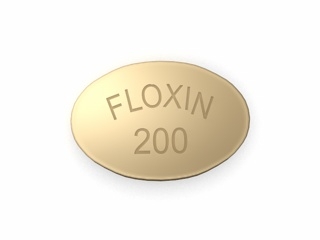
| Available Forms & Strengths | Tablets: 200 mg, 400 mg Eye drops: 0.3% solution Infusion: 200 mg/100 mL (hospital setting) |
| Manufacturers | Mylan Health Pty Ltd, Sandoz Pty Ltd, generic options |
| Prescription Status | Prescription Only Medicine (Schedule 4, S4) |
Mechanism of Action
Ofloxacin is a fluoroquinolone antibiotic that treats bacterial infections by blocking the bacteria’s ability to multiply and repair themselves. For patients: it works by stopping bacteria’s reproduction, helping to eliminate the infection. For healthcare professionals: it inhibits bacterial DNA gyrase and topoisomerase IV, preventing DNA replication and cell division.
Pharmacokinetics
- Absorption: Rapidly absorbed after oral use (bioavailability over 95%).
- Metabolism: Minimally metabolised; most of the drug remains unchanged.
- Elimination: Mainly excreted via the kidneys (urine).
- Duration of action: Half-life of 4–6 hours. Effects last for 12–24 hours, allowing once or twice-daily dosing.
Use in Everyday Life and Best Practices
Ofloxacin is prescribed for a range of bacterial infections and may be given as tablets or eye drops. Always follow your doctor or pharmacist’s instructions.
- Commonly prescribed for chest, urinary tract, skin, and eye infections.
- Tablets are swallowed whole with a full glass of water, typically once or twice daily.
- Do not crush or chew tablets.
- Complete the entire prescribed course, even if you feel better, to reduce the risk of antibiotic resistance.
- Store at room temperature, away from moisture and light, and out of reach of children.
- Missed dose: Take as soon as you remember, unless it is close to the next dose (do not double dose).
- Consult your pharmacy team on safe disposal of unused or expired medication.
Dosing in the Morning vs Evening
- Can be taken with or without regard to time of day—important to take doses regularly for best results.
- Once-daily dosing is usually in the morning to help form a routine.
- For twice-daily dosing, aim for 12-hour intervals (e.g., 8 am & 8 pm).
- Consistency matters more than time—set alarms or link to routine activities.
- No significant difference in effectiveness or side effects between morning or evening administration.
Taking with Food or on an Empty Stomach
- Ofloxacin may be taken with or without food. For sensitive stomachs, taking it with food or after a meal can help prevent nausea.
- Avoid taking with large amounts of dairy (milk, cheese, or yoghurt) or high-calcium fortified foods at the exact same time, as they may decrease absorption.
- General English/Australian diets are compatible with ofloxacin, provided high-calcium foods and antacids are separated by at least 2 hours before or after a dose.
Interaction Warnings
| Interacting Substance | Type of Interaction | Advice |
|---|---|---|
| Antacids, iron, zinc, magnesium, calcium supplements | Decreases absorption | Separate by at least 2 hours before or after ofloxacin |
| Warfarin (and other blood thinners) | Potential increased bleeding risk | Monitor INR/bleeding, inform your doctor |
| Non-steroidal anti-inflammatory drugs (NSAIDs) | May increase neurological side effects | Avoid or use with caution |
| Diabetes medicines (insulin, sulfonylureas) | Alters blood glucose control | Monitor blood sugar closely; adjust as needed |
| Alcohol | No direct interaction, but may worsen side effects (dizziness, gut upset) | Moderation recommended; avoid if drowsy |
Indications
| Indication | Approved | Notes |
|---|---|---|
| Urinary tract infections (UTIs) | ✓ | Including complicated and uncomplicated cases |
| Respiratory tract infections (bronchitis, pneumonia) | ✓ | Used when other antibiotics are unsuitable |
| Skin and soft tissue infections | ✓ | Where other antibiotics are not appropriate |
| Eye infections (conjunctivitis, keratitis) - as drops | ✓ | For topical ophthalmic use only |
| Sexually transmitted infections (chlamydia, gonorrhoea) | ✓ | Subject to local resistance patterns |
| Off-label: Prostatitis, certain gastrointestinal infections | May be used | At discretion of specialist or hospital |
Dosing According to Clinical Indications
| Patient Group | Indication | Recommended Dose | Notes |
|---|---|---|---|
| Adults | UTIs, respiratory, skin, STIs | 200–400 mg every 12 hours; duration varies | Maximum 800 mg daily |
| Children/adolescents | Eye infections only | 1–2 drops every 2–4 hours | Systemic use not generally recommended in those under 18 |
| Elderly | Any indication | Adjust dose for reduced kidney function | Refer to renal dosing guidelines |
| Kidney or liver impairment | Any indication | Reduced dose and/or extended dosing interval | Supervision and monitoring essential |
Safety Profile and Side Effects
- Common side effects:
- Nausea, upset stomach, diarrhoea
- Headache, dizziness
- Trouble sleeping (insomnia)
- Rare/serious side effects (seek immediate help):
- Tendon pain/rupture (especially Achilles tendon)
- Severe allergic reaction (rash, swelling, breathing difficulty)
- Nerve effects (tingling, numbness)
- Severe diarrhoea (Clostridioides difficile infection)
- Seizures (fits)
- Mental health changes (confusion, hallucinations)
- Fluoroquinolones may rarely cause tendonitis, tendon rupture, or worsen myasthenia gravis.
- Sun sensitivity: Use sunscreen and protective clothing if spending time outdoors in Australia.
Guidelines for Proper Use: Practical Tips for Australia
- Always take your medicine at the same time(s) each day.
- Drink plenty of water to stay hydrated, especially in hot Australian weather.
- If in the Outback or travelling, do not store in hot cars or direct sunlight, and ensure access to clean water for doses.
- Carry your prescription slip or a medication summary when travelling interstate or to remote areas.
- If you experience tendon pain or swelling, stop the medication and seek immediate medical help.
- Contact your pharmacist if you miss a dose or have questions about interactions or storage.
Alternative Treatment Options (PBS-Listed/Nationally Reimbursed Antibiotics)
- Ciprofloxacin: Similar class, broader use for UTIs, available on PBS; may be used as an alternative with different side effect profile.
- Amoxicillin or Amoxicillin-clavulanate: Often preferred for respiratory or urinary tract infections; generally milder side effects.
- Doxycycline: Used for various infections including STIs and respiratory infections; generally well-tolerated.
- Trimethoprim: First-line for uncomplicated UTIs; PBS-listed and widely available.
- Pros/cons:
- Ciprofloxacin – Similar risks as ofloxacin (tendon, nerve effects), but more clinical data for certain infections.
- Amoxicillin – Preferred unless penicillin allergy or resistance; less sun sensitivity risk.
- Doxycycline – May cause sun sensitivity but no tendon risk.
Legal, Registration, and Reimbursement Status in Australia
- Registered with the Therapeutic Goods Administration (TGA).
- Prescription-only (S4) medicine: Only supplied by a registered doctor, dentist, or nurse practitioner with authority.
- Not available over the counter in Australia.
- Pharmaceutical Benefits Scheme (PBS) listing: Limited to specific infections and circumstances, varies with state/territory and indication.
- No purchasing from overseas suppliers without TGA permission (“Personal Importation Scheme” applies, with limits and documentation requirements).
- Consult your pharmacist for any PBS subsidy queries.
Latest Research and Clinical Guidance (2022–2025)
- The Australian Commission on Safety and Quality in Health Care (ACSQHC) continues to recommend using fluoroquinolones such as ofloxacin sparingly due to rising resistance and rare but serious adverse effects (Australian Therapeutic Guidelines: Antibiotic, 2023 update).
- Recent literature (Lancet Infect Dis 2023; Med J Aust 2024) highlights increased caution in elderly, children, and patients with tendon risk factors; suggest alternative antibiotics where possible.
- Ofloxacin remains effective for certain multidrug-resistant infections when sensitivity confirmed.
- Emphasis on complete adherence and post-antibiotic monitoring to minimise resistance and side effects.
Availability and Delivery
| Pack Size | Typical Price (AUD, as of June 2024) | Availability | Estimated Delivery (Business Days) |
|---|---|---|---|
| 10 tablets (400 mg) | $15–$25 | Most pharmacies | Sydney: Same-day or next-day Melbourne: Next-day Brisbane: Next-day Perth: 2–3 days Adelaide: 1–2 days |
| Ophthalmic drops (5 mL) | $12–$18 | Most pharmacies; some require order-in | As above |
Frequently Asked Questions
- Can I drink alcohol while taking Floxin?
While there is no direct interaction, alcohol may worsen side effects such as dizziness or gut upset. Limit intake and avoid alcohol if you feel unwell while on ofloxacin. - What should I do if I miss a dose?
Take it as soon as you remember unless it is close to your next dose. Do not double up. If unsure, ask your pharmacist what is best in your situation. - Are there any foods I should avoid?
Avoid taking Floxin with calcium-rich foods (milk, cheese, yoghurt) or antacid medicines at the same time, as they can decrease absorption. Allow at least 2 hours before or after taking these products. - Is it safe to drive or operate machinery?
Ofloxacin can occasionally cause dizziness, headache, or confusion. Ensure you know how it affects you before driving or using machinery. - Can I take Floxin during pregnancy or breastfeeding?
Floxin is generally not recommended during pregnancy or while breastfeeding. Always discuss with your doctor or pharmacist before use in these situations.
For more detailed medical or safety advice, or if you experience any side effects, contact your pharmacist, general practitioner, or call Healthdirect Australia on 1800 022 222. Please use antibiotics responsibly and only as prescribed.