


Tinidazole: Comprehensive Patient Information for Australia
Basic Product Information
| International Nonproprietary Name (INN) | Tinidazole |
|---|---|
| Common Brand Names in Australia | Fasigyn®, Simplotan® |
| ATC Code | J01XD02 |
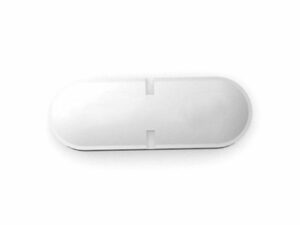
| Available Forms & Strengths | Tablets: 500 mg, 1 g (oral); Intravenous infusion (limited availability) |
| Principal Manufacturers | Pfizer Australia Pty Ltd, Alphapharm, Generic brand options |
| Prescription Status | Prescription only (Schedule 4, S4, Prescription Medicine) |
Mechanism of Action
For Patients: Tinidazole is an antibiotic and antiprotozoal medicine. It works by stopping the growth of certain bacteria and parasites (tiny germs that can cause infections in the gut, vagina, and other body parts). This helps your body get rid of the infection.
For Specialists: Tinidazole is a 5-nitroimidazole derivative. In susceptible organisms, it is reduced intracellularly to reactive intermediates that disrupt DNA synthesis, resulting in cell death of anaerobic bacteria and protozoa.
Pharmacokinetics
- Absorption: Well absorbed orally. Peak plasma levels are usually reached within 2 hours of a single dose.
- Metabolism: Primarily metabolised in the liver by oxidation and conjugation. CYP450 involvement is minor.
- Elimination: Mainly excreted in urine (around 25% unchanged) and faeces. Mild renal impairment has limited effect on elimination.
- Duration of Action: Elimination half-life is approximately 12–14 hours, allowing once-daily dosing in most cases.
Use in Everyday Life and Best Practices
Typical Doses and Usage:
Tinidazole is most commonly prescribed in Australia for treating protozoal infections (such as giardiasis and trichomoniasis), bacterial vaginosis, and as part of combination therapy for Helicobacter pylori eradication. It is also used before certain bowel surgeries to lower infection risk.
- Take Tinidazole exactly as prescribed. Do not skip doses, even if you feel better.
- Tablets are typically swallowed whole with water. If you have difficulty swallowing, ask your pharmacist about alternatives.
- Treatment regimens are often short (1 to 5 days, depending on the infection).
- Tinidazole is usually part of guideline-based care for respiratory and gastrointestinal protozoal infections noted in Australia.
- Follow all notified local, State, and Federal public health advice regarding infectious disease management.
- Discuss any over-the-counter or complementary medicines (including probiotics) with your pharmacist or GP.
Dosing in the Morning vs Evening
- Morning dosing: May help reduce risk of gastrointestinal upset and insomnia. Easier to remember as part of a morning routine.
- Evening dosing: Might suit those with busy mornings or if any drowsiness occurs (rare).
- Tip: Take Tinidazole at the same time each day to maintain consistent blood levels and improve adherence.
Taking with Food or on an Empty Stomach
Effect of Meals: Tinidazole absorption is not significantly affected by food, but taking it with or after meals may help prevent stomach upset.
- Many Australians find taking it with their main meal reduces nausea or metallic taste.
- Heavy or fatty foods are not specifically restricted, but alcohol is contraindicated (see below).
- Follow standard Australian healthy eating guidelines: balanced meals, adequate hydration.
Interaction Warnings
- Alcohol: Strictly avoid during treatment and for at least 3 days after the last dose. Serious reactions (headache, nausea, flushing, dizziness, abdominal cramps) may occur.
- Other Medicines: May interact with blood thinners (warfarin), anticonvulsants, lithium, immunosuppressants or certain antifungals. Always inform your doctor or pharmacist about all medicines you are taking.
- Foods: No significant dietary interactions apart from alcohol; balanced Australian diets generally pose no problem.
| Substance/Class | Interaction | Advice |
|---|---|---|
| Alcohol (including beer, wine, spirits) | Risk of disulfiram-like reaction | Do NOT consume alcohol during and for at least 3 days after Tinidazole |
| Warfarin (anticoagulant) | Increased effect, bleeding risk | Monitor INR; dose adjustment may be needed |
| Phenytoin, Phenobarbital (anti-epileptics) | Altered blood levels of Tinidazole | Use with caution; monitor |
| Lithium | Possible elevated lithium levels | Monitor lithium levels closely |
| Cyclosporin, Tacrolimus | Increased risk of immunosuppression | Monitor immunosuppressed patients closely |
Indications
| Condition | Approved Indication | Off-Label Use |
|---|---|---|
| Bacterial vaginosis | Yes | No |
| Giardiasis | Yes | No |
| Amoebiasis (intestinal and hepatic) | Yes | No |
| Trichomoniasis | Yes | No |
| Pre-operative prophylaxis for colorectal surgery | Yes | No |
| Helicobacter pylori eradication (combination therapy) | No | Yes (second-line or selective use) |
Dosing According to Clinical Indication
| Indication | Adults (18+ yrs) | Paediatric (children >3 yrs, consult paediatrician) | Elderly |
|---|---|---|---|
| Bacterial vaginosis | 2 g (single dose) or 1 g daily for 5 days | Safety not established | As for adults; assess renal/hepatic function |
| Giardiasis | 2 g once | 50 mg/kg (up to 2 g) as a single dose | As for adults |
| Amoebiasis (intestinal) | 2 g daily for 2–3 days | 50–75 mg/kg daily for 3 days (max 2 g/day) | As for adults |
| Trichomoniasis | 2 g (single dose), both partners treated | 50 mg/kg (up to 2 g) as a single dose | As for adults |
| Preoperative prophylaxis | 2 g, 12 hours before procedure | Not used | As for adults |
Note: Doses may be adjusted by your doctor based on your specific needs and other medical conditions. Always follow medical advice.
Safety Profile & Side Effects
- Common side effects: Nausea, metallic taste, headache, dizziness, dry mouth, mild skin rash, loss of appetite.
- Less common/rare side effects: Allergic reactions (rash, swelling, itching, difficulty breathing – seek urgent medical help), seizures (severe, rare), tingling or numbness in hands/feet, yellowing of skin or eyes (jaundice).
- Warnings: Avoid alcohol; inform your doctor of any history of liver disease, neurological disorders, or hypersensitivity to similar medicines (e.g., metronidazole).
- Pregnancy: Use only if prescribed; safe alternatives may be preferred based on the stage of pregnancy.
- Breastfeeding: Generally not recommended; discuss with your doctor.
| System/Affected Area | Frequency | Typical Symptoms |
|---|---|---|
| Gastrointestinal | Common | Nausea, vomiting, diarrhoea, metallic taste |
| Nervous system | Less common | Dizziness, headache, fatigue, peripheral neuropathy (rare with prolonged use) |
| Skin | Uncommon/Rare | Rash, itching, urticaria, Stevens-Johnson syndrome (very rare) |
| Allergy | Rare | Swelling, difficulty breathing (immediate medical attention needed) |
| Liver | Rare | Jaundice, abnormal liver function tests |
Guidelines for Proper Use (Australia-Specific Advice)
- Start and finish the full prescribed course, even if symptoms improve early.
- Always swallow tablets with a full glass of water.
- Avoid driving or operating machinery if you feel dizzy or drowsy.
- Inform your GP and pharmacist if you experience any severe or unusual symptoms.
- Return unused medicine to your local community pharmacy for safe disposal (do not flush down the toilet or throw in the bin).
Contact 13 HEALTH (13 43 25 84, Queensland), your State health helpline, or your nearest emergency department if you have severe side effects or an allergic reaction.
Alternative Treatment Options
- Metronidazole: Very similar spectrum; widely used; may result in more nausea in some patients; also covered by PBS.
- Ornidazole: Some structural similarity; used for protozoal infections/amoebiasis, less common in Australia.
- Secnidazole: Longer-acting, used mainly overseas.
- Clindamycin: For bacterial vaginosis (second-line), not for protozoa.
- Australian reimbursement (PBS) status: Most nitroimidazoles, including tinidazole and metronidazole, are reimbursed for listed indications subject to clinical authority and PBS eligibility. Check with your pharmacist for the latest coverage.
| Drug | Pro | Con |
|---|---|---|
| Tinidazole | Shorter regimens, fewer GI effects, once-daily dosing | Alcohol restriction, limited paediatric data |
| Metronidazole | Very effective, cheap, familiar to most GPs | More frequent dosing, metallic taste, nausea |
| Ornidazole | Longer half-life, used when others contraindicated | Less clinical data, specialist only |
| Clindamycin | Alternative for BV in metronidazole/tinidazole allergy | Not suitable for protozoal infections |
Legal, Registration, and Reimbursement Status in Australia
- Legal Category: S4 (Prescription Only Medicine) – registered with the Therapeutic Goods Administration (TGA)
- Registration: TGA-registered for approved indications. Product Information (PI) and Consumer Medicines Information (CMI) are available via the TGA website.
- Reimbursement: Available on the Pharmaceutical Benefits Scheme (PBS) for certain infections. Prescriber authority may be required for some uses.
- Medicine Shortages: Supply can fluctuate; local pharmacies can advise on current availability.
Latest Research and Clinical Guidance (2022–2025)
- 2023: Tinidazole remains a recommended first-line treatment for giardiasis and trichomoniasis in adults and children (Australian Therapeutic Guidelines: Antibiotic, v16).
- 2024: Randomised clinical studies (Australia/UK/EU) confirm efficacy equivalent to metronidazole for most protozoal/bacterial vaginosis infections, with slightly better tolerability in adults ([see: British Journal of Clinical Pharmacology, 2024]).
- Practice note: Short-course single-dose therapies are promoted to improve patient adherence and reduce resistance.
- Helicobacter pylori eradication: Tinidazole is recommended as a second-choice if metronidazole resistance or severe intolerance is present (NHMRC, 2024).
- For complete guidance, see the Therapeutic Goods Administration and NPS MedicineWise.
Availability and Delivery Information
- Popular pack sizes: 4-tablet packs (500 mg), 2-tablet packs (1 g), 10-tablet generic packs (500 mg)
- Indicative price (PBS co-payment): $30–40 (general), $7 (concessional) per course—subject to changes and dispensing fees
- Private prescription price: May vary ($10–$40 per tablet), depending on pharmacy and brand
| City | Pharmacy Stock | Express Pharmacy Delivery (business days) |
|---|---|---|
| Sydney | Commonly stocked | Same-day to 1 day |
| Melbourne | Commonly stocked | Same-day to 1 day |
| Brisbane | Commonly stocked | Same-day to 1 day |
| Adelaide | Variable | 1–2 days |
| Perth | Variable | 1–3 days |
| Rural/Remote | Special order may be required | 1–5 days |
Ask your local pharmacist about stock levels, delivery options, and whether your prescription qualifies for PBS subsidised pricing.
FAQ – Tinidazole in Australia
- Can I drink alcohol while taking Tinidazole?
No. You must avoid all alcohol (including beer, wine, spirits, and alcohol-based medications) during treatment and for at least 3 days after the last dose, as severe reactions can occur. - What should I do if I miss a dose?
Take the missed dose as soon as you remember unless it is almost time for your next dose. Do not double up to make up for a missed dose. - Can I use Tinidazole during pregnancy or breastfeeding?
Tell your doctor if you are pregnant or breastfeeding. Use is only recommended if clearly needed and prescribed by your healthcare provider. Breastfeeding should generally be avoided while taking tinidazole. - Is Tinidazole suitable for children?
Tinidazole is suitable for children in some infections (giardiasis, trichomoniasis, amoebiasis). Dose is calculated by weight. Always discuss dose with a paediatrician. - What should I do if I feel unwell or have side effects?
Mild nausea or headache are common and often short-lived. Contact your pharmacist or GP if symptoms persist or worsen. Seek immediate care for rash, swelling, breathing problems, or severe neurological symptoms.
For further information, speak with your local community pharmacist, GP, or visit the NPS MedicineWise and TGA websites.