Desloratadine: Comprehensive Patient Information for Australia
Basic Product Information
| International Nonproprietary Name (INN) | Desloratadine |
|---|---|
| Australian Brand Names | Aerius, Claramax, Desonex, Lodan, Loratyne, and generics |
| ATC Code | R06AX27 |
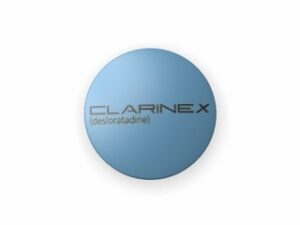
| Available Forms & Strengths | Tablets: 5 mg Oral Solution: 0.5 mg/mL (suitable for children) |
| Common Manufacturers | Bayer, Sandoz, Mylan, Teva, Alphapharm, generic suppliers |
| Prescription Status | Pharmacist Only Medicine (Schedule 3); can be supplied without prescription after professional assessment |
Desloratadine Mechanism of Action
For Patients: Desloratadine is a “non-drowsy” antihistamine. It works by blocking the effects of histamine, a substance in your body that causes allergic symptoms such as sneezing, runny nose, itchy eyes, and rash.
For Specialists: Desloratadine is a potent, selective H1 histamine receptor antagonist. It inhibits both the early (histamine-mediated) and late (cellular recruitment, mediator release) phases of allergic inflammation. Unlike first-generation antihistamines, it has minimal anticholinergic or sedative effects as it poorly crosses the blood-brain barrier.
Pharmacokinetics
- Absorption: Rapid oral absorption; peak plasma levels within 3 hours after dosing.
- Metabolism: Extensively metabolised in the liver (CYP2C8, CYP3A4) to 3-hydroxydesloratadine (active).
- Elimination: Excreted mostly in the urine and faeces as metabolites; elimination half-life ~27 hours. Accumulates minimally with repeated dosing.
- Duration of Action: Symptom relief for 24 hours following a single daily dose.
Use in Everyday Life and Best Practices
Desloratadine is commonly used in Australia to relieve symptoms of:
- Hay fever (allergic rhinitis): sneezing, nasal congestion, runny or itchy nose, itchy or watery eyes
- Chronic idiopathic urticaria: persistent hives, red itchy rash, and swelling
How to use:
- Take Desloratadine once a day as directed, at the same time each day to maintain symptom control.
- For adults and children 12+, the usual dose is 5 mg (one tablet) daily.
- For children aged 6–11, 2.5 mg oral solution daily is recommended; for ages 1–5, 1.25 mg is commonly used (see table below).
- Tablets should be swallowed whole with water. Oral solution can be measured with an included syringe or measuring cup.
- Continue as long as you are exposed to allergens (pollen season, pet dander, dust, etc.).
Desloratadine is suitable for both short-term and long-term use under pharmacy or medical supervision.
Dosing: Morning vs Evening
- Can be taken in the morning or evening; choose the time most convenient for your routine.
- Some patients prefer morning dosing for all-day symptom relief, especially for pollen-related hay fever.
- For those with predominately night-time symptoms (e.g., nocturnal itching or nasal congestion), evening dosing may be favoured.
- Consistency is key—take your dose at the same time daily for best relief.
- Desloratadine does not cause drowsiness in most people, so you can safely take it during the day.
Taking with Food or on an Empty Stomach
- Desloratadine may be taken with or without food.
- Food does not affect its absorption or overall effectiveness, so you may take your dose before or after meals as suits your daily habits.
- This flexibility is particularly helpful for Australians with variable routines and dietary patterns.
Interaction Warnings
Desloratadine has few significant drug or food interactions. However, keep these in mind:
| Interaction | Recommendation |
|---|---|
| Alcohol | Desloratadine is unlikely to increase drowsiness, but use caution if you feel sedated or if combining with other sedating medicines. |
| Ketoconazole, Erythromycin, Fluoxetine | No meaningful effect on blood levels; no dosage adjustment needed, but inform your pharmacist or doctor. |
| Other antihistamines | Avoid taking with other allergy tablets or syrups unless advised by your doctor. |
| Grapefruit/Grapefruit juice | No known effect; not restricted with desloratadine, unlike some other antihistamines. |
| Pregnancy and Breastfeeding | Not routinely recommended; discuss with healthcare provider. |
Indications
| Condition | Official (TGA-Approved) Indication | Common Off-Label Uses |
|---|---|---|
| Allergic rhinitis (hay fever) | ✔️ | - |
| Chronic idiopathic urticaria | ✔️ | - |
| Allergic conjunctivitis | ❌ | Symptom control (eye symptoms in hay fever) |
| Acute urticaria (hives) | ❌ | Short-term relief if underlying allergy |
| Other allergies | ❌ | Case-by-case at doctor's discretion |
Dosing According to Clinical Indications
| Patient Group | Typical Dose | Notes |
|---|---|---|
| Adults & Children 12+ yrs | 5 mg once daily (tablet or solution) | Take at the same time each day |
| Children 6–11 yrs | 2.5 mg once daily (solution) | Use oral solution for accurate dosing |
| Children 1–5 yrs | 1.25 mg once daily (solution) | Adjust based on weight; seek medical advice |
| Elderly | 5 mg once daily | No routine dose adjustment; monitor for co-morbidities |
| Impaired liver or kidney function | Start at lower dose or increase dosing interval | Specialist supervision required |
Safety Profile and Side Effects
Desloratadine is generally very well tolerated in Australia. Side effects, if they occur, are usually mild and short-lived.
| Frequency | Reported Side Effects |
|---|---|
| Common (<1 in 10) | Headache, dry mouth, fatigue, mild stomach upset, sore throat |
| Uncommon (<1 in 100) | Dizziness, nausea, drowsiness (less common than older antihistamines), palpitations |
| Rare (<1 in 1,000) | Severe allergic reaction (swelling, rash, difficulty breathing – seek urgent help) |
| Warnings | Not recommended in severe liver/kidney disease without medical review; caution during pregnancy and lactation; do not exceed recommended dose. |
- If you experience any unusual or worrying symptoms, contact your pharmacist or doctor for advice.
- Children and older adults may be slightly more sensitive to side effects such as drowsiness.
Guidelines for Proper Use (Australia)
- Purchase from a registered Australia pharmacy where a pharmacist can review your symptoms and medication history.
- Read and follow the package leaflet before use, and do not exceed the stated dose.
- Store tablets/solution below 25°C and keep out of reach of children.
- Desloratadine is non-sedating, so you can usually drive or operate machinery. If you feel drowsy, avoid such activities until you know your reaction.
- If symptoms persist beyond 5–7 days, worsen, or if you have severe allergic reactions, consult your GP.
- Let your doctor or pharmacist know about all other medicines you take, especially for chronic illness.
- Dispose of leftover or expired medicine safely at your local pharmacy (return unwanted medicines project—RUM Project).
Alternative Treatment Options (Australia)
- Loratadine: Similar “non-sedating” antihistamine; also available without prescription. Slightly shorter duration of action.
- Cetirizine: More likely to cause mild drowsiness in some people, but highly effective for both nose and skin symptoms.
- Fexofenadine: Less sedating; suitable for adults/older children. Effective for urticaria.
- Levocetirizine: Prescription only, generally reserved for resistant cases of urticaria.
Pros & Cons:- All of these alternatives are available in Australia and eligible for Pharmaceutical Benefits Scheme (PBS) reimbursement if prescribed for persistent allergic disease.
- Non-sedating antihistamines rarely cause drowsiness; older antihistamines (pharmacy-only, not listed above) are more sedating and are usually not recommended except for specific cases (e.g., travel sickness).
Legal, Registration, and Reimbursement Status in Australia
- Registered by the Therapeutic Goods Administration (TGA) for allergy relief in Australia.
- Available as Schedule 3 (Pharmacist Only Medicine); does not require a doctor’s prescription but must be supplied by a pharmacist after patient assessment.
- Eligible for PBS subsidy for chronic urticaria and severe allergic rhinitis under prescription if symptoms persist or if multiple antihistamines have failed.
- Product, batch, and expiry details recorded as per Australian Medicines Handbook (AMH) and local pharmacist guidance.
Latest Research and Clinical Guidance (2022–2025)
- Australian Society of Clinical Immunology & Allergy (ASCIA, 2023): Desloratadine is recommended first-line for allergic rhinitis; minimal sedation profile confirmed.
- International research (JACI 2022, Clinical & Experimental Allergy 2023): Supports long-term safety and efficacy, including in children as young as 12 months under medical supervision.
- Cochrane Review (2024): Confirms no significant increase in adverse events with daily desloratadine compared to placebo, and greater impact on symptom and quality of life scores.
- Real-world data from allergy clinics (UK, AU, NZ) endorse convenience and low sedative burden in working adults and school-age children.
Availability and Delivery
| Pack Size | Typical Price (AUD) | Indicative Delivery (Business Days) |
|---|---|---|
| 10 tablets (5 mg each) | $10–$15 | Metro: 1–2; Regional: 2–4; Remote: 4–6 |
| 30 tablets (5 mg each) | $25–$30 | Metro: 1–2; Regional: 2–4; Remote: 4–6 |
| Oral solution, 100 mL | $18–$23 | Metro: 1–2; Regional: 2–4; Remote: 4–6 |
- Desloratadine is widely available in community pharmacies, chemist chains, and online pharmacies across Australia.
- Ask your pharmacy about home delivery or click-and-collect options—especially during pollen season or for those with mobility concerns.
Frequently Asked Questions (FAQ)
- Is desloratadine safe for long-term use?
Yes. For most patients, desloratadine can be taken daily for weeks to months during allergy season or for chronic urticaria, provided you follow the recommended dose and have regular pharmacy reviews. - Can I take desloratadine with other medicines?
Usually yes, but always check with your pharmacist. Tell them about any prescription, non-prescription, or herbal medicines you use. Serious interactions are very rare. - Will it make me sleepy?
Desloratadine is considered “non-drowsy” for most people, but a small number may still feel tired, especially when starting treatment. Avoid tasks requiring full alertness until you know how you react. - What should I do if I miss a dose?
Take your next dose at your usual time. Do not double up to compensate for a missed dose. - Can children use desloratadine?
Yes, it is approved for use in children from 12 months old under the direction of a pharmacist or doctor. The oral solution allows accurate dosing for younger children.
For further information, consult your pharmacist, GP, or visit the ASCIA or TGA websites. Always use medication as directed by your healthcare professional.