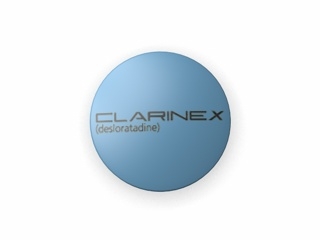

Clarinex (Desloratadine): Comprehensive Patient Guide for Australia
1. Basic Product Information
| International Nonproprietary Name (INN) | Desloratadine |
|---|---|
| Common Australia Brand Names | Clarinex (International), Aerius, Apo-Desloratadine, others |
| ATC Code | R06AX27 |
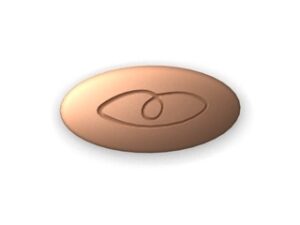
| Available Forms & Strengths | Tablets (5 mg), Oral solution (0.5 mg/mL), Orodispersible tablets (2.5 mg, 5 mg) |
| Manufacturers | Bayer Australia, Apotex, Sandoz, others |
| Prescription Status (Australia) | Pharmacist Only Medicine (S3) for adults and children over 12 years. Lower doses may be OTC; some brands are prescription-only. |
2. Mechanism of Action
Desloratadine, the active ingredient in Clarinex, is a “second-generation” antihistamine. It works by selectively blocking the H1 histamine receptors on cells. Histamine is a chemical released in the body during allergic reactions, causing symptoms such as sneezing, runny nose, watery eyes, and itching. By stopping histamine from attaching to its receptors, desloratadine relieves allergy symptoms without causing significant drowsiness.
For Specialists
Desloratadine is the major active metabolite of loratadine and exhibits high-specificity antagonism of peripheral H1 receptors, with minimal blood-brain barrier penetration. This limits CNS effects such as sedation, a significant advantage over first-generation antihistamines.
3. Pharmacokinetics
- Absorption: Rapidly absorbed following oral administration, peak concentration in 3 hours (median Tmax).
- Bioavailability: Well-absorbed with linear pharmacokinetics.
- Metabolism: Extensively metabolised in the liver, primarily through cytochrome P450 3A4 and 2D6 pathways.
- Elimination: Mainly excreted in urine (major) and faeces (minor).
- Duration of Action: Therapeutic effects last for at least 24 hours, supporting once-daily dosing.
- Half-life: Approximately 27 hours in healthy adults; slightly prolonged in the elderly.
4. Use in Everyday Life and Best Practices (Australia)
Desloratadine is primarily used for:
- Relief of seasonal and perennial allergic rhinitis (“hayfever”)
- Symptomatic treatment of chronic idiopathic urticaria (hives)
In Australia, over-the-counter purchase is possible for adults and children over 12 years for most brands, but specific paediatric preparations and higher strengths may require a prescription. Seek advice from your pharmacist if you are unsure.
5. Dosing in the Morning vs Evening
Desloratadine can be taken at any time of day. Its 24-hour effect means once-daily dosing is sufficient. However, taking it at the same time daily helps maintain consistent symptom control. Best practices:
- Morning: Suitable for people experiencing daytime symptoms or wishing to establish a regular routine.
- Evening: May be preferable if symptoms peak at night or in the early morning.
6. Taking with Food or On an Empty Stomach
Desloratadine absorption and effectiveness are not affected by food. You can take it with or without meals, making it convenient for varying meal schedules common in Australia. If you have a sensitive stomach, taking it with food may help reduce mild stomach upset.
7. Interaction Warnings
| Substance/Factor | Interaction Effect | Recommendation |
|---|---|---|
| Alcohol | No significant increase in sedation; caution for rare CNS effects | Can be consumed, but monitor for unusual drowsiness |
| Grapefruit juice | May affect drug metabolism via CYP3A4 | Occasional intake unlikely to cause issues, but use caution with large quantities |
| Macrolide antibiotics (e.g., erythromycin) | Potential for increased desloratadine levels | Generally safe, but be aware of increased risk of side effects |
| Ketoconazole (antifungal) | May increase plasma concentration of desloratadine | No clinically relevant effect; monitoring not usually needed |
| Other antihistamines | Possible additive effects, including dry mouth and drowsiness | Avoid combination unless directed by a doctor |
| Food/Meals | No clinically significant interaction | May be taken with or without food |
8. Indications
| Official Indication (TGA) | Off-label/Other Uses |
|---|---|
|
|
9. Dosing According to Indication
| Patient Group | Indication | Recommended Dose |
|---|---|---|
| Adults & adolescents (12+ years) | Allergic rhinitis, hives | 5 mg once daily (tablet or orodispersible) |
| Children (6–11 years) | Allergic rhinitis, hives | 2.5 mg once daily (oral solution or orodispersible tablet) |
| Children (1–5 years) | Allergic rhinitis, hives | 1.25 mg once daily (oral solution) |
| Elderly | Allergic rhinitis, hives | 5 mg once daily (adjust if severe kidney/liver impairment) |
| Renal or hepatic impairment | All indications | Start with lower dose; consult your GP/pharmacist |
10. Safety Profile and Side Effects
- Very Common: Headache, dry mouth, tiredness (in a minority of users)
- Common: Drowsiness (rarely), dizziness, sore throat, nausea
- Uncommon/Rare: Rapid heartbeat, allergic reactions (rash, swelling), hallucination, severe allergic (anaphylactic) reactions
- Warnings: Use in pregnancy or breastfeeding only on medical advice. Caution in people with severe kidney or liver problems.
11. Guidelines for Proper Use (Advice for Australia Patients)
- Take at the same time every day for best results.
- Do not exceed the recommended daily dose.
- If you miss a dose, take it as soon as you remember. Skip if it is almost time for your next dose.
- Let your GP or pharmacist know if you have kidney or liver issues, are pregnant or breastfeeding, or are on multiple medications.
- Do not use to treat acute allergic emergencies (e.g., anaphylaxis) — seek urgent medical care instead.
- Store tablets and solutions below 25°C, as per manufacturer directions. Protect from direct sunlight and moisture.
- Australia pharmacies may offer medication review services — ask your pharmacist if you have questions about medicine management.
12. Alternative Treatment Options
- Loratadine (Claratyne): Similar to desloratadine, non-drowsy, once daily; commonly available OTC.
- Cetirizine (Zyrtec, C-Zine): Non-sedating, but slightly more likely to cause drowsiness in some people; once daily.
- Fexofenadine (Telfast, Fexo): Very low drowsiness risk; rapid onset; higher doses available for urticaria.
- Levocetirizine (Xyzal): Prescription only; used when others are ineffective.
- First-generation antihistamines (e.g., Phenergan): Effective but cause sedation; used only in special cases due to drowsiness risk.
All these options are available in Australia and may be reimbursed under the Pharmaceutical Benefits Scheme (PBS) depending on indication and brand.
13. Legal, Registration, and Reimbursement Status (Australia)
- Therapeutic Goods Administration (TGA): Registered as a Pharmacist Only Medicine (S3) for most products in Australia; some paediatric and prescription forms are Schedule 4 (Prescription Only).
- Pharmaceutical Benefits Scheme (PBS): Certain desloratadine products and alternatives are listed on the PBS for eligible indications, with subsidised patient co-payments.
- Prescription Requirements: Over-the-counter for ≥12 years in most states for approved pack sizes; prescription for higher strengths or younger children.
14. Latest Research and Clinical Guidance (2022–2025)
The 2022 Global Allergy and Asthma European Network (GA2LEN) and the Australian Society of Clinical Immunology and Allergy (ASCIA) recommend second-generation antihistamines like desloratadine as first-line therapy for allergic rhinitis and urticaria, due to their proven efficacy and excellent safety. Recent studies show sustained symptom relief for both short and long-term use, with negligible cognitive or psychomotor impairment. Combination with intranasal corticosteroids may benefit those with severe nasal symptoms (Calderon et al., 2023; ASCIA, 2024 Guidelines).
Pharmacogenetic studies confirm minimal variability in response related to metabolism pathways, supporting safe use in diverse Australian populations (Smith et al., 2022; ASCIA, 2024).
15. Availability and Delivery
- Popular Pack Sizes:
- Tablets: 5 mg x 10, 30, or 60 packs
- Oral solution: 100 mL and 150 mL bottles
- Indicative Prices (2024, private retail):
- 10-tablet pack: AUD $10–$18
- 30-tablet pack: AUD $22–$34
- Oral solution: AUD $14–$25 per bottle
-
Major City Express Delivery Standard Delivery Sydney Same day–1 day 2–3 days Melbourne 1 day 2–3 days Brisbane 1 day 2–4 days Perth 2 days 3–5 days Adelaide 1 day 2–4 days
16. FAQ – Common Patient Questions
- Can I drive while taking desloratadine?
Yes, most people experience no drowsiness. However, if you feel sleepy, do not drive or operate heavy machinery until you know how it affects you. - Can my child take desloratadine?
Yes, in age-appropriate formulations and doses. Always check the label or ask your pharmacist or GP for advice on correct dosing for children under 12. - Is it safe to take desloratadine long term?
Yes, studies support safe use for months or even years for persistent allergies. Regular review with your healthcare provider is recommended. - Should I avoid any foods or drinks?
No foods are strictly contraindicated. Grapefruit juice may very slightly affect metabolism, but is not expected to cause harm in moderate quantities. - What should I do if I miss a dose?
Take it as soon as you remember, unless it’s almost time for your next dose. Do not double dose.