Allegra (Fexofenadine Hydrochloride): Comprehensive Patient Guide for Australian Use
1. Basic Product Information
| International Non-Proprietary Name (INN) | Fexofenadine Hydrochloride |
| Australia Brand Names | Allegra, Telfast, Fexotabs, APO-Fexofenadine, Fexo, Fedafin |
| ATC Code | R06AX26 |
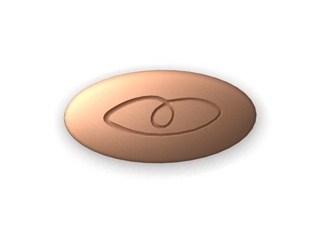
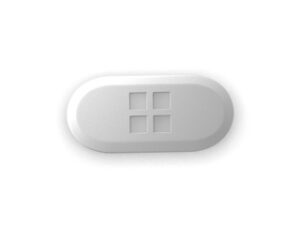
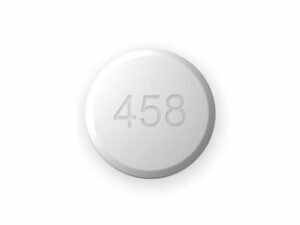
| Available Forms & Strengths | - Tablets: 60 mg, 120 mg, 180 mg
- Oral Suspension: 15 mg/mL (in limited paediatric formulations)
|
| Main Manufacturers (Australia) | Sanofi-Aventis, Apotex, Alphapharm, Sigma Pharmaceuticals |
| Prescription Status in Australia | Pharmacist-only medicine (Schedule 3) for most strengths/indications; some lower-strength forms available as Pharmacy Medicine (Schedule 2) |
2. Mechanism of Action
Fexofenadine is a fast-acting, non-sedating antihistamine. It works by blocking the action of histamine, a natural substance in the body that is released during allergic reactions. By inhibiting histamine at the H1-receptor, fexofenadine relieves symptoms such as sneezing, runny nose, itchy or watery eyes, and itchiness of the throat or skin.
- For patients: Fexofenadine does not cross the blood-brain barrier effectively, and is much less likely to cause drowsiness compared to older antihistamines.
- For specialists: Fexofenadine is a selective peripheral H1-receptor antagonist with minimal affinity for central nervous system H1-receptors, explaining its non-sedating profile.
3. Pharmacokinetics
- Absorption: Well absorbed after oral ingestion, with peak plasma concentration in 1–3 hours.
- Metabolism: Minimal hepatic metabolism; mostly excreted unchanged.
- Elimination: Primarily via faeces (as bile), lesser extent via urine.
- Duration of Action: Antihistaminic effect lasts 24 hours at typical adult doses (120 mg or 180 mg).
4. Use in Everyday Life and Best Practices
Allegra is commonly used in Australia to treat seasonal allergic rhinitis (hayfever), perennial allergic rhinitis, and chronic urticaria (hives). It is especially popular during spring and summer when pollen levels are high.
- Typical Adult Dose: 120 mg once daily for hayfever; 180 mg once daily for urticaria.
- How to Use: Swallow tablets whole, with water. Do not crush or chew tablets.
- Frequency: Usually once daily, at the same time each day for better symptom control.
- English Context: It is suitable for urban, coastal, and rural allergies, including dust, pollens, and animal dander common on the English mainland.
- Paediatric Dosing: Specific lower-dose formulations are available for children; check with your pharmacist for age-appropriate options.
5. Dosing in the Morning vs Evening
- Allegra can be taken at any time of day, but should be taken at the same time daily for consistent relief.
- Morning Dosing: May provide full-day protection, particularly helpful for daytime symptoms.
- Evening Dosing: Can improve night-time comfort if symptoms disturb sleep, but avoid if you are sensitive to insomnia (rare with fexofenadine).
- Tip: Establishing a routine (e.g. every morning with breakfast) helps ensure regularity.
6. Taking With Food or on an Empty Stomach
- Fexofenadine can be taken with or without food.
- High-fat meals may modestly delay absorption, but do not reduce overall effect.
- Be mindful that grapefruit juice and very high-fat English breakfasts may slow absorption—ideally, take with water or a light meal.
- Ensure adequate hydration, especially during the hot Australian summer.
7. Interaction Warnings
| Interaction | Advice |
| Alcohol | No significant interaction, but caution advised with any medication; excessive alcohol may worsen allergies. |
| Other Medications | - Antacids containing aluminium or magnesium hydroxide may reduce absorption—space doses by at least 2 hours.
- Erythromycin & ketoconazole may increase fexofenadine levels—generally safe, but monitor for side effects.
- Other sedating antihistamines: Avoid concurrent use unless advised.
|
| Grapefruit, orange, or apple juice | May reduce drug absorption—take with water for best efficacy. |
| Food | No major interaction, but high-fat meals may slightly delay effect. |
8. Indications
| Indication | Approved Status | Description |
| Seasonal Allergic Rhinitis | Official (TGA-approved) | Treatment of hayfever and pollen-related allergies |
| Chronic Idiopathic Urticaria | Official (TGA-approved) | Treatment of persistent hives and itching |
| Other Allergic Conditions | Off-label | May be used for other histamine-mediated allergic conditions at physician discretion. |
9. Dosing According to Clinical Indication
| Population | Indication | Recommended Dose | Maximum Daily Dose |
| Adults & Children ≥12 years | Allergic Rhinitis | 120 mg once daily | 120 mg/day |
| Adults & Children ≥12 years | Chronic Urticaria | 180 mg once daily | 180 mg/day |
| Children 6–11 years | Allergic Rhinitis/Urticaria | 30 mg twice daily (usually oral suspension or lower-dose tablets) | 60 mg/day |
| Elderly | All indications | As per adult dosing, but use with caution; monitor for renal function | As above |
| Renal Impairment | All indications | Reduced dose may be needed; seek professional advice | As above |
10. Safety Profile and Side Effects
Fexofenadine is well-tolerated and has a low risk of causing sleepiness or impairment. However, some side effects can occur.
| Frequency | Side Effect |
| Common (>1%) | Headache, drowsiness (less common than older antihistamines), nausea, dry mouth, dizziness |
| Occasional | Fatigue, back pain, throat irritation |
| Rare | Hypersensitivity reactions (rash, hives, angioedema), tachycardia, insomnia |
| Warnings | Not for use in children <6 years unless under medical advice; use with caution in significant renal impairment |
- Seek medical advice if you experience swelling, breathing difficulty, or severe skin reaction.
11. Guidelines for Proper Use in Australia
- Purchase only from registered pharmacies or under pharmacist supervision (as required by Australian law).
- Do not take more than the recommended dose; extra doses can increase side effects.
- Store at room temperature, away from moisture and direct sunlight.
- If you miss a dose, take it as soon as you remember; if it is close to the next dose, skip the missed one—do not double up.
- Regular use may be needed for ongoing symptoms, especially during the peak pollen season in Australia.
- Consult a GP or pharmacist if pregnant, breastfeeding, elderly, or if you have chronic kidney conditions.
12. Alternative Treatment Options
- Loratadine (Claratyne) – also non-sedating, available over-the-counter; similar efficacy and side effect profile. May be more suitable for paediatric use.
- Cetirizine (Zyrtec) – non-sedating antihistamine; can cause drowsiness in rare cases. Effective for both allergic rhinitis and urticaria.
- Desloratadine (Aerius) – similar to loratadine; available by prescription.
- Other options (prescription): Levocetirizine, Bilastine (recently registered in Australia); intranasal corticosteroids for severe hayfever symptoms.
- Pros: All are effective, non-sedating, and generally safe for allergy symptoms in the Australian population.
- Cons: Some may be less effective for certain people; Zyrtec is associated with more reports of drowsiness than Allegra.
13. Legal, Registration, and Reimbursement Status in Australia
- TGA-Approved: Registered on the Australian Register of Therapeutic Goods (ARTG) for rhinitis and urticaria.
- Legal Classification: Schedule 2 (Pharmacy Medicine, ≤120 mg), Schedule 3 (Pharmacist Only Medicine, 180 mg), per the Poisons Standard.
- Prescription: Not generally required for most strengths/formulations, but check with your pharmacist for current legal status.
- Reimbursement: Not routinely reimbursed by the Pharmaceutical Benefits Scheme (PBS); patient pays retail price.
- Monitoring: Pharmacists may record supply as per Schedule 3 regulations.
14. Latest Research and Clinical Guidance (2022–2025)
- Recent reviews (Allergy 2023; Medical Journal of Australia 2024) confirm Allegra’s safety and efficacy in both persistent and intermittent allergic rhinitis.
- Australian Society of Clinical Immunology and Allergy (ASCIA) continues to recommend non-sedating antihistamines such as fexofenadine as first-line for allergic rhinitis and urticaria (ASCIA 2024 guidelines).
- Research supports higher-dose use (180 mg) in chronic urticaria with minimal additional side effects (Ritchie et al., 2023).
- Paediatric data from recent studies confirm good tolerability down to pre-school age on paediatric-specific doses.
- Drug interactions, even at higher doses, remain rare but avoid fruit juices and some antacids to maintain absorption.
15. Availability, Pricing, and Delivery Across Australia
| Pack Size | Indicative Price (AUD) | Availability | Delivery to Major Cities |
| 10-tablet pack | $8–$11 | OTC & pharmacy | 1–2 working days (Sydney, Melbourne, Brisbane) |
| 30-tablet pack | $18–$26 | OTC & pharmacy | 2–4 working days (Adelaide, Perth, Hobart) |
| 100 mL Suspension | $15–$19 | Pharmacy only | 2–5 working days (Darwin, regional areas) |
- Same-day click-and-collect available in many metro stores.
- Express and standard postal delivery options for online purchases (with valid pharmacist advice when required).
16. Frequently Asked Questions (FAQ)
- Can I take Allegra daily during pollen season?
Yes—daily use during high pollen months is safe and recommended for ongoing relief. Most people use fexofenadine as needed through spring/summer. - Will Allegra make me sleepy?
No—fexofenadine is classified as a non-drowsy antihistamine, with a very low risk of causing sedation compared to older products. If you feel unusually tired, speak to your doctor. - Can I use Allegra with other allergy medicines?
In most cases, yes. Allegra can be combined with nasal sprays or eye drops. Do not use it with another oral antihistamine unless directed by your GP or pharmacist. - What if I accidentally take too much?
If you take more than recommended, contact your doctor, a pharmacist, or ring the Poisons Information Centre (13 11 26) for advice. Serious effects are very uncommon, but seek medical help if you feel unwell. - Is Allegra safe during pregnancy or breastfeeding?
Allegra should only be used if clearly needed and under medical supervision during pregnancy or breastfeeding. Consult your doctor or pharmacist for personalised advice.
Always read the label and consult your healthcare professional for tailored advice.