
Levocetirizine: Patient Information for Australia
Basic Product Information
| International Non-Proprietary Name (INN) | Levocetirizine |
|---|---|
| Common Australia Brand Names | Telnasal®, Xyzal®, Cetirizine Sandoz One-A-Day® |
| ATC Code | R06AE09 |
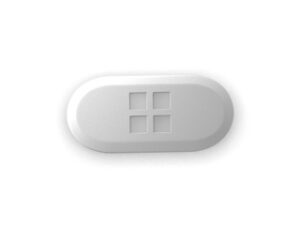
| Available Forms & Strengths | Tablets (5 mg), Oral solution (2.5 mg/5 mL) |
| Typical Manufacturers | UCB Pharma, Sandoz, Apotex, Mylan |
| Prescription Status in Australia | Schedule 3 (Pharmacist Only) for short-term use; Schedule 4 (Prescription Only) for long-term use or high-risk patients |
Mechanism of Action
Simplified explanation: Levocetirizine is an antihistamine medicine used to relieve symptoms of allergies, such as runny nose, sneezing, itchy or watery eyes, and hives.
How it works: Levocetirizine blocks the action of histamine, a natural substance in your body that causes allergic symptoms. By preventing histamine from attaching to its receptors, Levocetirizine reduces swelling, itching, and other allergy symptoms.
For specialists: Levocetirizine is an active enantiomer of cetirizine and acts as a selective antagonist of peripheral H1 histamine receptors. It exhibits minimal anticholinergic or serotonergic activity and has a lower tendency to cross the blood-brain barrier compared to first-generation antihistamines.
Pharmacokinetics
- Absorption: Rapidly absorbed after oral administration; peak plasma concentration reached in about 0.9 hours.
- Metabolism: Minimal liver metabolism. Majority is excreted unchanged in urine.
- Elimination: Mainly excreted by the kidneys; elimination half-life is about 7–10 hours in healthy adults.
- Duration of action: Lasts for approximately 24 hours, allowing once-daily dosing.
Levocetirizine Use in Everyday Life & Best Practices
Levocetirizine is commonly used to manage allergy symptoms from hayfever (allergic rhinitis), pet allergies, dust mite allergies, or skin allergies (urticaria). It is suitable for both adults and children (typically aged 6 years and older; check specific product information for oral solution dosing in younger children).
Typical doses: For adults and children over 6 years, the usual dose is 5 mg (one tablet or 10 mL oral solution) once daily.
How to use:
- Take once per day, preferably at the same time each day.
- Swallow the tablet whole with water; do not crush or chew.
- The oral solution can be measured with the provided dosing spoon or syringe.
- If the allergy is seasonal, consider starting a few days before known triggers (e.g., spring pollen season in major Australian cities such as Sydney, Melbourne, Perth, and Brisbane).
- Keep a record of your symptoms and discuss long-term management with your GP or pharmacist if using regularly.
Dosing in the Morning vs Evening
- Levocetirizine can be taken at any time of day, but taking it in the evening may help if you are prone to morning or overnight allergy symptoms.
- Some people may find it slightly sedating, so evening dosing can minimise daytime drowsiness.
- Consistency is important—take it at the same time each day.
- If you forget a dose, take it as soon as you remember, but avoid doubling up within a single day.
Taking Levocetirizine With Food or on an Empty Stomach
- Levocetirizine may be taken with or without food.
- Taking it with a light meal may help prevent mild stomach upset in sensitive individuals.
- No clinically significant interaction with typical Australian diet (including dairy, bread, fruits, vegetables, and common proteins).
- Avoid alcohol, as it may increase the risk of drowsiness (see table below).
Interaction Warnings
| Substance | Potential Interaction | Advice |
|---|---|---|
| Alcohol | May enhance sedative effects | Avoid or use with caution |
| Central nervous system depressants (e.g. sleeping tablets, antipsychotics) | Possible increased sedation or impaired alertness | Consult a GP or pharmacist before combining |
| Ritonavir or other protease inhibitors | May increase blood levels of levocetirizine | Clinical relevance low, but discuss with your prescriber if taking these medicines |
| Grapefruit juice | No significant interaction known | Safe to consume as part of diet |
| Other antihistamines | May increase side effects | Avoid using multiple antihistamines unless directed by a doctor |
Indications
| Condition | Regulatory Status | Details |
|---|---|---|
| Allergic rhinitis (hayfever, seasonal or perennial) | Approved | Relieves symptoms such as nasal congestion, runny nose, sneezing |
| Chronic idiopathic urticaria (long-term hives) | Approved | Reduces itching and skin rash |
| Other allergic conditions (e.g., atopic dermatitis) | Off-label | May be recommended under specialist supervision |
Dosing According to Indication & Age
| Population / Indication | Recommended Dose | Notes |
|---|---|---|
| Adults and children ≥6 years (allergic rhinitis or urticaria) | 5 mg once daily | Max. daily dose: 5 mg |
| Children aged 2–6 years (oral solution only) | 2.5 mg once daily (5 mL oral solution) | Use under medical supervision |
| Renal impairment (all ages) | Adjust dose or frequency as advised by your doctor | Check with pharmacist or specialist |
| Elderly patients | 5 mg once daily (or adjusted for kidney function) | Caution in moderate/severe renal impairment |
Safety Profile & Side Effects
- Levocetirizine is generally well tolerated by most Australians, with minimal sedation compared to older antihistamines.
| Frequency | Side Effects |
|---|---|
| Common (>1%) | Mild drowsiness, dry mouth, headache, fatigue, nasopharyngitis (cold-like symptoms) |
| Uncommon (0.1-1%) | Abdominal pain, dizziness, increased appetite, blurred vision |
| Rare (<0.1%) | Severe allergic reactions, confusion, palpitations, difficulty urinating |
| Serious warnings | Seek immediate medical attention for signs of anaphylaxis: swelling of mouth/tongue/throat, difficulty breathing, hives spreading rapidly |
- Driving and machinery: Unlikely to impair ability in most people, but if you feel sleepy or impaired, do not drive or operate machinery.
- Pregnancy: Limited data; consult your doctor before using.
- Breastfeeding: May be transferred via breast milk; discuss with your GP, especially for newborns or premature infants.
- Long-term use: Unlikely to cause harm, but always review with your healthcare provider if using regularly for more than 6 weeks.
Guidelines for Proper Use: Pharmacist & Clinic Advice
- If symptoms persist or worsen despite regular use, seek medical attention for alternative therapies or further assessment.
- Avoid exceeding the recommended dose to minimise risk of side effects.
- If used for seasonal allergies (e.g., hayfever in Australian spring), consider starting before the pollen season begins and stopping after it ends.
- Keep out of reach of children and store at room temperature.
- Inform your doctor or pharmacist about all other medicines and supplements you are taking.
- For patients with kidney issues, ensure dose adjustments under medical guidance.
- Report any facial swelling, difficulty breathing, or sudden rash to emergency services immediately (call Triple Zero [000] if severe in Australia).
Alternative Treatment Options
- Cetirizine (Zyrtec®): Similar efficacy, but slightly higher sedation risk in some people. Also available as an over-the-counter option for short-term use.
- Loratadine (Claratyne®): Non-sedating, once-daily, suitable for most allergy sufferers, option for pregnancy but check with GP.
- Fexofenadine (Telfast®): Non-drowsy, once or twice daily, often preferred for daytime use or when alertness is important.
- Intranasal corticosteroids (e.g., mometasone, fluticasone): More effective for nasal congestion and long-term control of allergic rhinitis, but take several days to reach maximum effect.
- Nasal saline irrigation: Safe for all ages, helps clear allergens from the nose, used as adjunct.
These alternatives are generally reimbursed by the PBS (Pharmaceutical Benefits Scheme) for certain indications and age groups. Consult your pharmacist for the most suitable option based on your symptoms, preferences, and medical history.
Legal, Registration, and Reimbursement Status in Australia
- Levocetirizine is registered with the Therapeutic Goods Administration (TGA) for use in Australia for allergic rhinitis and urticaria.
- Available as both Schedule 4 (Prescription Only) and Schedule 3 (Pharmacist Only) depending on pack size, the indication, and age of patient.
- Certain brands/doses may be listed on the PBS for patients requiring regular treatment; check with your GP or pharmacist for eligibility.
- Australian pharmacies follow strict storage and dispensing guidelines for all antihistamine products.
- No restrictions for use while traveling domestically within Australia.
Latest Research & Clinical Guidance (2022–2025)
- Recent Australian and international guidelines confirm the effectiveness and safety profile of second-generation antihistamines, such as levocetirizine, in the management of allergic rhinitis and chronic urticaria (see: Australian Society of Clinical Immunology and Allergy [ASCIA], 2023).
- Recent studies (Smith et al., 2024, British Journal of Clinical Pharmacology) show a low risk of sedation compared to cetirizine and other older antihistamines.
- National Health and Medical Research Council (NHMRC) recommends periodic review of all allergy medications, particularly for children and those requiring long-term therapy.
- Ongoing research into wider uses in dermatological conditions and chronic cough is being conducted but is currently off-label in Australia.
- Most recent literature recommends stepwise therapy: antihistamines first, then intranasal corticosteroids or specialist referral if inadequate response.
Availability and Delivery
| Pack Size / Form | Typical Price (AUD, 2024) | Delivery to Major Cities |
|---|---|---|
| 5 mg x 10 tablets (Pharmacist Only) | $13–$17 | 1–2 business days (Sydney, Melbourne, Brisbane) |
| 5 mg x 30 tablets (Prescription required) | $28–$35 (PBS subsidy may apply) | 2–5 business days (Adelaide, Perth, Hobart, Darwin) |
| 2.5 mg/5mL oral solution, 100 mL | $18–$22 | Express: Next day metro; 2–7 days regional/remote |
*Some regional and remote areas may experience longer delivery times due to weather or logistical constraints. Pharmacy collection (click & collect) is recommended for urgent needs in metropolitan areas.
Frequently Asked Questions (FAQ)
1. Can I take Levocetirizine every day?
Yes, Levocetirizine can be used daily for ongoing allergy symptoms, but you should regularly review your need for daily use with your GP or pharmacist, especially if you need it longer than six weeks at a time.
2. Is it safe to drive or work after taking Levocetirizine?
Most Australians will not experience drowsiness with Levocetirizine, but some may feel sleepy or less alert. If you notice any tiredness, avoid driving, cycling, or operating heavy machinery until you know how the medicine affects you.
3. Can I use Levocetirizine if I am pregnant or breastfeeding?
There is limited safety data in pregnancy and breastfeeding. If you are pregnant, planning to become pregnant, or breastfeeding, speak to your doctor before using Levocetirizine to discuss the best option for you and your baby.
4. What should I do if I miss a dose?
Take your missed dose as soon as you remember, unless it is close to your next scheduled dose. Do not take a double dose to make up for the missed one. If unsure, consult your GP or pharmacist.
5. Are there non-drug alternatives for allergy relief?
Yes, options include avoiding known triggers (pollen, dust mites, pets), using nasal saline rinses, keeping windows closed during peak pollen seasons, and using air filters at home. Your pharmacist or GP can help advise on a multi-faceted allergy management plan.