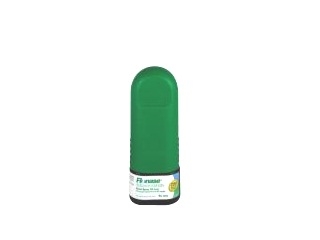
Flonase Nasal Spray (Fluticasone) – Patient Information for Australia
Basic Product Information
| International Non-Proprietary Name (INN) | Fluticasone Propionate |
|---|---|
| Australia Brand Names | Flonase, Flixonase, Fluticasone Sandoz, Zyrtec Nasal Spray (some combination products) |
| Anatomical Therapeutic Chemical (ATC) Code | R01AD08 |
| Available Forms & Strengths | Nasal Spray: 50 micrograms per actuation; 120-dose, 150-dose packs |
| Manufacturers | GSK (GlaxoSmithKline), Sandoz, generic manufacturers |
| Legal Status in Australia | Pharmacist-only medicine (Schedule 3, S3); no prescription required for over-the-counter purchase, but pharmacist advice is mandatory. |
Mechanism of Action
Simple terms:Flonase Nasal Spray contains fluticasone propionate, a corticosteroid that works by reducing inflammation inside the nose. It helps relieve symptoms such as nasal congestion, sneezing, itching, and runny nose by blocking the body’s release of substances that cause allergic reactions.
For specialists:Fluticasone propionate is a synthetic trifluorinated corticosteroid with potent glucocorticoid activity. It exerts anti-inflammatory, antipruritic, and vasoconstrictive actions by binding to glucocorticoid receptors, inhibiting multiple types of inflammatory cells (mast cells, eosinophils, neutrophils, macrophages, lymphocytes), and downregulating the transcription of pro-inflammatory mediators.
Pharmacokinetics
- Absorption: Minimal systemic absorption when administered intranasally. Most of the spray is either absorbed locally in the nasal mucosa or swallowed.
- Metabolism: Extensive first-pass hepatic metabolism (CYP3A4); very low oral bioavailability (<1%).
- Elimination: Predominantly faecal elimination (via bile); renal elimination <5%.
- Half-life: Approx. 8 hours.
- Duration of action: Symptomatic relief lasts >24 hours, allowing once-daily use.
Everyday Use & Best Practices
Flonase Nasal Spray is used for the prevention and treatment of symptoms of hay fever (allergic rhinitis) and non-allergic rhinitis. It is suitable for adults and children from 6 years of age (depends on preparation; some are approved for age 12+).
- Usual adult dose: Two sprays into each nostril once daily (total daily dose: 200 mcg), preferably at the same time each day.
- Pediatric dose (6–12 years): One spray per nostril once daily (maximum 2 sprays per nostril if severe; only on doctor’s advice).
- How to use: Shake the bottle gently. Blow your nose to clear nostrils. Tilt your head slightly forward and insert the nozzle into one nostril while closing the other. Breathe in gently as you spray. Avoid spraying directly onto the nasal septum. Repeat for the other nostril. Wipe the nozzle after use and replace the cap.
- Example for Australia: For seasonal hay fever, begin using Flonase a few days before the expected pollen season for best results.
Dosing: Morning vs Evening
- Both morning and evening dosing are effective. Once-daily dosing is usually adequate for most patients.
- Morning dosing: May help control daytime symptoms, such as those triggered by outdoor pollen exposure (common in Australia’s spring and summer).
- Evening dosing: May be beneficial for patients who experience more severe symptoms at night or early morning.
- Tip: Take your dose at the same time each day for best symptom control. Choose the timing that best fits your daily routine and symptom pattern.
Taking with Food or on an Empty Stomach
Flonase is a nasal spray, so it is not absorbed through the stomach and does not interact with food or meals. It can be used before or after eating, and is unaffected by typical Australian dietary habits such as dairy consumption, hot drinks, or breakfast timing.
Interaction Warnings
While fluticasone nasal spray has low systemic absorption, interactions are still possible, especially with certain medicines or with long-term use.
| Type | Interaction | Advice |
|---|---|---|
| Food/Drink | No known significant interactions; nasal absorption route. | No precautions necessary. |
| Alcohol | No direct interaction, but excessive alcohol can worsen nasal irritation. | Drink in moderation; consult pharmacist if concerned. |
| Medications |
| Inform your pharmacist/doctor about all medicines/sprays you use. Monitor for nasal irritation/bleeding. |
Indications
| Indication | Official (TGA-approved) | Off-label |
|---|---|---|
| Allergic rhinitis (hay fever) | ✔ | - |
| Non-allergic rhinitis | ✔ | - |
| Nasal polyps (adjunct) | - | ✔ |
| Sinusitis (adjunct) | - | ✔ |
| Nasal symptoms in children under 6 years | - | ✔ (specialist supervision) |
Dosing According to Clinical Indication
| Population | Indication | Usual Dose | Maximum Dose |
|---|---|---|---|
| Adults & adolescents 12+ | Allergic/non-allergic rhinitis | 2 sprays/nostril once daily | 4 sprays/nostril daily (split into 2 times) |
| Children 6–11 years | Allergic rhinitis | 1 spray/nostril once daily | 2 sprays/nostril daily (follow medical advice) |
| Elderly | All indications | No dose adjustment necessary | — |
Safety Profile & Side Effects
Most people tolerate Flonase well. Side effects are generally mild and localised to the nose or throat. If you notice any serious or persistent symptoms, seek medical advice.
| Side Effect | Frequency | Details/Warning |
|---|---|---|
| Nasal irritation/burning | Common | May resolve with continued use |
| Nosebleeds | Common | Reduce dose/use, avoid direct septum spraying |
| Dryness in nose/throat | Common | Use saline spray if troublesome |
| Headache | Uncommon | Generally mild, self-limiting |
| Disturbances in taste/smell | Rare | Should resolve; consult doctor if persistent |
| Allergic reaction/skin rash | Rare | Seek immediate medical help |
| Perforation of nasal septum | Very rare | Risk increases with long-term/higher doses |
| Growth suppression (children) | Rare | Monitor height with long-term use |
| Vision changes (glaucoma, cataracts) | Very rare | Report blurred vision to your doctor |
Guidelines for Proper Use
To ensure safe and effective use of Flonase Nasal Spray:
- Always follow the pharmacist’s or doctor’s directions.
- Prime the spray before first use (or if unused for 7+ days): pump until fine mist appears.
- Rinse the nozzle in warm water weekly to prevent blockage.
- Don’t share your nasal spray to avoid infection spread.
- If you miss a dose, use it when you remember or skip if close to next dose; do not double up.
- Do not use more than recommended, even if your symptoms are severe.
- Inform your GP/pharmacist if there’s no improvement after 7 days, or if your condition worsens.
- Monitor children’s growth if used for longer than 2 months.
- Safe for use during typical Australia allergy seasons (e.g., spring pollen peaks, dust storms).
Alternative Treatment Options
- Other nasal corticosteroids (all reimbursed under PBS): Mometasone (Nasonex), Budesonide (Rhinocort), Beclomethasone (Aldecin).
- Oral antihistamines: Cetirizine (Zyrtec), Loratadine (Claratyne), Fexofenadine (Telfast).
- Nasal antihistamines: Azelastine.
- Saline nasal sprays/irrigation: Suitable for milder symptoms, adjunct to steroids.
- Decongestants: Short-term only due to rebound risk (e.g., Oxymetazoline), not for long-term management.
- Pros of Flonase compared to alternatives: Once-daily dosing, potent, minimal sedation, effective for nasal congestion.
- Cons: Slower onset than oral antihistamines, local nasal side effects, not suitable for acute severe congestion relief.
Legal, Registration & Reimbursement Status in Australia
- Registered with the Therapeutic Goods Administration (TGA), ARTG No. varies by brand.
- Prescription status: S3 Pharmacist-only; no doctor's script required, but pharmacist must supply after consultation.
- Reimbursement: Many nasal corticosteroid sprays are covered under the Pharmaceutical Benefits Scheme (PBS) in specific formulations or age groups (usually with GP prescription for chronic conditions).
- Available in pharmacies across Australia and many online pharmacies.
Latest Research & Clinical Guidance (2022–2025)
- Australian Society of Clinical Immunology and Allergy (ASCIA) 2022-2024 guidelines recommend intranasal corticosteroids, such as fluticasone, as first-line treatment for moderate to severe allergic rhinitis and as effective adjuncts in chronic sinusitis.
- Recent systematic reviews (Cochrane, 2023) confirm that fluticasone is more effective than oral antihistamines for controlling nasal congestion, but benefits are enhanced when combined for full symptom relief.
- Australian studies (2023, Med J Aust) support the safe use of fluticasone in children (age 6+) with minimal systemic effects when used as directed.
- Long-term use (>12 weeks) is considered safe in adults and children with monitoring for growth and ocular effects.
Availability & Delivery
| Pack Size | Dose Count | Indicative Price (AUD) | Delivery to Major Cities* |
|---|---|---|---|
| 60 doses | 50mcg/spray | $12–$15 | 1–2 business days (Syd, Mel, Bris, Adel, Perth) |
| 120 doses | 50mcg/spray | $18–$22 | 1–2 business days |
| 150 doses | 50mcg/spray | $24–$28 | 2–3 business days (regional/rural areas) |
*Check with your local or online pharmacy for most current pricing and next-business-day delivery options.
FAQ – Frequently Asked Questions
- How long does Flonase take to work?
Most people notice relief within 12–24 hours, but maximum benefit occurs after 3–5 days of regular use. - Can children use Flonase nasal spray?
Yes, Flonase is approved for children 6 years and older (some products 12+). Always consult a pharmacist or doctor before starting in children. - Can I use Flonase if I am pregnant or breastfeeding?
Consult your GP. Nasal corticosteroids are generally considered safe in pregnancy and breastfeeding if used at the lowest effective dose. - What should I do if I miss a dose?
Use your next dose at the usual time. Do not double up. Missing an occasional dose does not significantly affect control if you resume regular use. - Do I need a prescription?
No, Flonase is a Pharmacist-only medicine (S3) in Australia. Your pharmacist will supply it and provide advice on usage without a script.
Speak with your pharmacist or GP for personalised advice tailored to your health, medicines, and allergies.