Fexofenadine – Medicine Information for Patients in Australia
Basic Product Information
| International Nonproprietary Name (INN) | Fexofenadine |
| Common Australia Brand Names | Telfast®, Fexotabs®, Xergic® |
| ATC Code | R06AX26 |
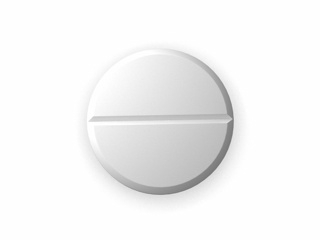
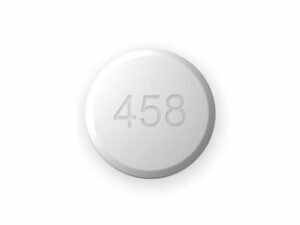
| Available Forms & Strengths | Tablets (30 mg, 60 mg, 120 mg, 180 mg); Oral Suspension (for paediatric use; strength may vary) |
| Manufacturers | Sanofi-Aventis, Apotex, generic manufacturers |
| Prescription Status | Some strengths (30 mg/60 mg/120 mg/180 mg tablets) are available over-the-counter; oral suspensions are usually prescription only. Confirm with your local pharmacy. |
Mechanism of Action
For Patients: Fexofenadine is a non-drowsy antihistamine. It works by blocking the action of histamine, a substance your body produces during an allergic reaction. This helps reduce symptoms like sneezing, itchy or runny nose, and itchy or watery eyes.
For Specialists: Fexofenadine is a selective, peripherally acting H1-receptor antagonist. It does not cross the blood-brain barrier appreciably, minimising central sedation. It inhibits histamine-induced capillary permeability, bronchoconstriction, and sensory nerve stimulation, attenuating the clinical manifestations of allergic responses.
Pharmacokinetics
- Absorption: Rapid – peak plasma levels within 1–3 hours after oral administration; bioavailability is not altered significantly by the formulation.
- Metabolism: Minimal hepatic metabolism; largely excreted unchanged.
- Elimination: Renal (~10%) and faecal (~80%); mean elimination half-life is 14–16 hours in healthy adults.
- Duration of Action: Symptom relief lasts up to 24 hours with a single daily dose.
Use in Everyday Life and Best Practices
Fexofenadine is most commonly used for relief of allergy symptoms such as hay fever (allergic rhinitis) and hives (urticaria). It is suitable for adults and children above certain ages, depending on the product strength.
Typical Doses: - Allergic rhinitis: 120 mg once daily (adults and children ≥12 years); 30 mg twice daily (children 6–11 years)
- Chronic urticaria: 180 mg once daily (adults and children ≥12 years)
- Always use the medicine exactly as indicated on the package leaflet or as directed by your doctor or pharmacist.
Take the medicine at the same time each day for best effect. For children, use the oral suspension or the approved tablet dose for their age and weight.
Dosing in the Morning vs Evening
- Morning dosing: Preferred for daytime allergy symptoms and in line with typical pollen release (especially relevant in Australia’s high pollen seasons); helps control symptoms through active hours; supports routine adherence.
- Evening dosing: May be considered if symptoms are worse at night, e.g., due to dust mites; however, fexofenadine’s non-sedating effect means timing is flexible. Regularity is more important than the exact time of day.
- Tip: Choose a time that fits your lifestyle and stick to it for consistent relief.
Taking with Food or on an Empty Stomach
- Fexofenadine can be taken with or without food, but high-fat meals may reduce its absorption and effectiveness.
- Avoid taking with grapefruit, orange, or apple juice, as these can decrease absorption.
- For Australian diets, regular meals or breakfast are a suitable time for taking fexofenadine, but avoid juice at the time of dosing for best results.
Interaction Warnings
| Interaction | Effect | Advice |
| Fruit juices (grapefruit, orange, apple) | Reduces absorption of fexofenadine | Take medicine with water, not juice |
| Antacids containing aluminium or magnesium | Lower absorption if taken at the same time | Allow at least 2 hours between antacid and fexofenadine |
| Alcohol | No direct interaction; still not recommended | May worsen drowsiness in sensitive people |
| Ketoconazole, erythromycin | Increase fexofenadine levels | Generally safe, monitor for increased side effects |
| Other antihistamines | No additional benefit; may increase side effects | Do not combine unless advised by your doctor |
Indications
| Indication | Official (TGA Approved) | Off-Label/Other |
| Seasonal allergic rhinitis (hay fever) | Yes | No |
| Chronic urticaria (hives) | Yes | No |
| Other allergic conditions (e.g., atopic conjunctivitis) | No | May be used on specialist advice |
Dosing According to Clinical Indications
| Population | Indication | Usual Dose | Comments |
| Adults & children ≥12 years | Allergic rhinitis | 120 mg once daily | May use up to 180 mg for urticaria |
| Children 6–11 years | Allergic rhinitis | 30 mg twice daily | Tablets or oral suspension |
| Children 2–5 years | Allergic rhinitis, urticaria | Oral suspension, 15–30 mg twice daily | Consult paediatrician |
| Elderly | All indications | As for adults; use lowest effective dose | Adjust if kidney function reduced |
| Impaired renal function | All indications | Consider starting at half dose | Monitor for increased side effects |
Safety Profile & Side Effects
| Frequency | Side Effects | Notes |
| Common (≥1%) | Headache, somnolence (rare), dry mouth, nausea, dizziness | Generally mild and transient |
| Uncommon (0.1%-1%) | Fatigue, sleep disturbances, nervousness | Monitor if persistent |
| Rare (<0.1%) | Allergic reactions, rash, tachycardia, palpitations | Seek medical attention urgently if severe |
- Unlike first-generation antihistamines (e.g., promethazine), fexofenadine does not cause significant drowsiness or impair driving in most people.
- Seek immediate help if experiencing swelling of the face/throat, severe rash, or difficulty breathing.
Guidelines for Proper Use
- Only take the recommended dose – higher doses do not work better and may increase side effects.
- Swallow tablets whole with water. Do not take with fruit juice (especially grapefruit, apple, orange).
- Keep medication out of the reach of children. For children, use the correct paediatric preparation and measuring device.
- If you miss a dose, take it as soon as you remember. If it’s almost time for your next dose, skip the missed dose—do not double up.
- Store below 25°C in a cool, dry place, away from moisture and sunlight (as recommended on Australian packaging).
- If symptoms persist, worsen, or you have other medical conditions, seek advice from your pharmacist or doctor.
Alternative Treatment Options
- Loratadine (Claratyne®): Also a non-sedating antihistamine, generally well-tolerated, available over-the-counter. May be less effective for some patients, but similar overall effectiveness to fexofenadine. Once daily dosing.
- Cetirizine (Zyrtec®): Slightly higher risk of drowsiness in sensitive individuals, effective for allergy & hives. Can be more sedating than fexofenadine, especially at higher doses or in the elderly.
- Desloratadine (Aerius®): Prescription only; very similar to loratadine with a greater duration of action.
- Intranasal corticosteroids (e.g., budesonide, fluticasone): More effective for nasal congestion but require daily administration and correct technique.
- For some patients, oral antihistamines may work best when used in combination with allergen avoidance strategies (e.g., minimising pollen exposure, regular cleaning).
Legal, Registration, and Reimbursement Status in Australia
- Registered under the Therapeutic Goods Administration (TGA) for non-prescription and prescription use, depending on strength and formulation.
- Many brands of fexofenadine are available as Schedule 2 (Pharmacy Medicine) – can be purchased without a prescription for short-term use.
- Higher strengths and paediatric preparations may be Prescription Only (Schedule 4) and require a doctor’s prescription.
- Available on the Pharmaceutical Benefits Scheme (PBS) for specific indications (e.g., chronic urticaria, severe allergic rhinitis resistant to other treatments).
- Ask your GP or pharmacist if you are eligible for a PBS-subsidised prescription.
Latest Research & Clinical Guidance (2022–2025)
- According to recent Australian and international allergy guidelines (ASCIA, ARIA 2022–2024), fexofenadine remains a first-line therapy for allergic rhinitis and urticaria due to its high safety and low sedation profile.[1,2]
- Studies support once-daily dosing at the lowest effective dose to minimise side effects while maintaining symptom control.[3]
- Efficacy is comparable to other second-generation antihistamines, with a suggestion that fexofenadine has a slightly more favourable profile regarding sedation, especially in the elderly.[4]
- Emerging evidence suggests high-dose fexofenadine (up to 4 times the standard dose) may be safe and effective for some chronic urticaria patients under specialist supervision.[5]
References:
[1] Australasian Society of Clinical Immunology and Allergy (ASCIA). ASCIA Guidelines for Allergic Rhinitis 2023.
[2] ARIA: Allergic Rhinitis and its Impact on Asthma 2022 update.
[3] Wang DY et al., "Pharmacological management of allergic rhinitis," Ann Allergy Asthma Immunol 2024.
[4] Simons FE et al., "Fexofenadine review," Clin Exp Allergy 2022.
[5] Zuberbier T et al., "Guidelines for urticaria management," Allergy 2025.
Availability and Delivery
| Pack Size | Indicative Price (AUD, 2024) | Prescription Needed |
| 10 tablets (120 mg) | $10–$15 | No |
| 30 tablets (180 mg) | $25–$35 | No (for most brands) |
| 60 tablets (various strengths) | $45–$65 | Depends on brand |
| Oral suspension (60 mL) | $15–$25 | Yes |
| City | Express Delivery | Standard Delivery | Pharmacy Click & Collect |
| Sydney | Same day | 1–2 days | Within 2 hours (selected stores) |
| Melbourne | Next day | 2 days | Within 4 hours |
| Brisbane | 1–2 days | 3 days | Within same day |
| Perth | 2 days | 4 days | 1 day |
| Adelaide & other cities | 2 days | 2–4 days | Check with local pharmacy |
Frequently Asked Questions
- Will fexofenadine make me drowsy?
Fexofenadine is a non-sedating antihistamine, so it is much less likely to cause drowsiness compared to older antihistamines. However, a small number of people may still feel slightly tired. Avoid other sedative medications or alcohol if you notice drowsiness. - Can I take fexofenadine with other allergy medicines?
Usually, fexofenadine should not be combined with other antihistamines. Using it with nasal steroid sprays or allergy eye drops is often safe. See your doctor or pharmacist before combining allergy treatments. - Is it safe during pregnancy or breastfeeding?
While fexofenadine is considered relatively safe, you should seek medical advice before using if you are pregnant, planning a pregnancy, or breastfeeding. - What should I do if I miss a dose?
Take your next dose at the usual time; do not double up. Missing a single dose is unlikely to significantly affect your symptom control. - How quickly does fexofenadine work?
Most people experience relief within 1–2 hours after taking the tablet. Maximum benefit develops over several days of regular use.