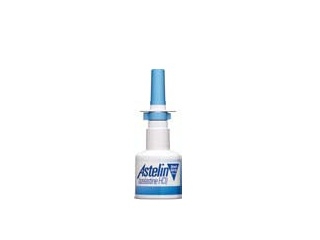
Astelin (Azelastine) Nasal Spray — Comprehensive Patient Guide (Australia)
Basic Product Information
| International Nonproprietary Name (INN) | Azelastine |
| Brand Names (Australia) | Astelin, Azep, Rhinolast |
| Anatomical Therapeutic Chemical (ATC) Code | R01AC03 |
| Available Forms & Strengths | Nasal spray: 0.15% (137 micrograms per spray), Eye drops in some cases |
| Manufacturers (AU) | Various, including Meda Pharmaceuticals, Mylan, Apotex |
| Prescription Status (Australia) | S4 (Prescription Only Medicine); available at community pharmacies with a valid script from an Australian healthcare provider |
Mechanism of Action
For Patients: Astelin (Azelastine) is an antihistamine that works by blocking the effects of histamine, a substance in your body responsible for allergy symptoms such as sneezing, runny nose, itching, and congestion. When sprayed into the nose, it acts directly on nasal tissue to reduce inflammation and relieve allergic reactions quickly.
For Specialists: Azelastine is a selective, second-generation H1-receptor antagonist that also stabilises mast cells and inhibits the synthesis and release of inflammatory mediators. This multimodal anti-allergic effect makes it effective in both early and late phases of allergic responses.
Pharmacokinetics
- Absorption: After intranasal administration, systemic bioavailability is low (~40%); effects are mainly local.
- Time to Onset: Begins to work within 15–30 minutes after use; peak effect within hours.
- Metabolism: Metabolised primarily in the liver (CYP3A4 involvement) to the active metabolite desmethylazelastine.
- Elimination: Excreted mainly via faeces (hepatic clearance); elimination half-life is 20–22 hours.
- Duration of Action: Symptom relief persists for up to 12 hours after each dose.
Use in Everyday Life & Best Practices
Astelin nasal spray is widely used in Australia for managing seasonal and perennial allergic rhinitis (“hayfever”) as well as allergic conjunctivitis (in eye drop form). It is appropriate for adolescents and adults, and in some circumstances for children over 5 years—always as directed by your doctor.
- Typical nasal spray dose (adults and children ≥ 12 years): 1–2 sprays in each nostril, twice daily (morning & evening).
- Children: For ages 5–11, dosing adjustments may be recommended; consult a paediatrician or pharmacist.
- How to use: Gently blow your nose before use. Shake the bottle, remove cap, prime pump on first use, insert nozzle, and spray as directed while breathing in gently. Avoid blowing your nose for several minutes afterwards.
- Storage: Store below 25°C, away from direct sunlight; keep out of reach of children.
Dosing in the Morning vs Evening
It is important to use Astelin at roughly the same times each day to ensure consistent blood levels and symptom control.
- Morning: Controls symptoms throughout the active part of the day; may help with morning congestion or sneezing.
- Evening: Helps reduce nighttime symptoms that may disturb sleep. For some, using the spray in the evening lessens morning symptoms the next day.
- Tip: Establish a daily routine to avoid missed doses. Setting reminders on your phone or leaving the bottle in a visible location (but out of reach of children) may help.
Taking with Food or on an Empty Stomach
- Nasal spray: Food and drinks have no significant effect on efficacy or absorption because the medicine is delivered directly to the nasal passages.
- Recommended practice: You may use the spray with or without meals, making it compatible with typical Australian dietary patterns.
- Eye drops: Not affected by food; follow pharmacist instructions.
Interaction Warnings
| Item | Interaction/Advice |
| Alcohol | May enhance drowsiness or dizziness. Use caution if driving or operating machinery, especially after the first dose. |
| Other Antihistamines | Increases risk of side effects (e.g., drowsiness, dry mouth). Avoid using multiple antihistamines together unless advised by your doctor. |
| Tricyclic Antidepressants, Sedatives | Enhances sedative effects. Inform your prescriber about all medicines you take. |
| Grapefruit or Citrus Juice | No significant interaction for nasal form, but always check if using oral forms (not common in AU). |
| Ketoconazole, Erythromycin | May slightly increase blood levels of Azelastine, but clinical significance is minimal with nasal dosage. |
Indications
| Use | Status |
| Allergic Rhinitis (Seasonal & Perennial) | Official indication |
| Allergic Conjunctivitis (eye drops) | Official indication (limitations apply) |
| Vasomotor Rhinitis | Off-label use; by prescription only |
| Non-allergic Rhinitis | Off-label; specialist advice required |
Dosing According to Indication
| Indication | Age Group | Recommended Dose |
| Allergic Rhinitis | Adults & Adolescents (≥12 years) | 1–2 sprays per nostril, twice daily |
| Allergic Rhinitis | Children (5–11 years) | 1 spray per nostril, twice daily (as advised by doctor) |
| Allergic Conjunctivitis (Eye Drops) | All ages (per brand) | 1 drop in each eye, 2 times daily |
| Elderly | Individualised; usually as for adults unless contraindicated | Monitor for sedation, falls risk |
Safety Profile and Side Effects
| Frequency | Reported Side Effects |
| Common (>1/100) | Bitter taste, mild nosebleeds, nasal irritation, headache, sneezing, cough, dry mouth or throat, mild drowsiness |
| Occasional (<1/100) | Fatigue, nausea, somnolence, dizziness |
| Rare (<1/1,000) | Allergic reactions (rash, swelling, severe nasal irritation), palpitations, anaphylaxis (very rare) |
| Warnings | May cause drowsiness or dizziness—especially with alcohol or sedative medicines; do not drive or operate machinery until you know how it affects you. Use with caution in people with severe liver disease. Discontinue and see a doctor if you experience facial swelling or breathing difficulties. |
Guidelines for Proper Use — Pharmacist & Clinic Advice
- Blow your nose gently before using the spray to clear mucus.
- Shake the bottle well, prime it if new, and discard after the recommended number of doses (usually 120 sprays).
- After spraying, avoid sniffing hard to prevent the medicine from running down your throat (reducing bitter taste).
- Do not share your nasal spray with others to prevent infection.
- If you miss a dose, use it as soon as you remember. If nearly time for your next dose, skip the missed dose & continue as scheduled (do not double up).
- Speak with your pharmacist about safe use during pregnancy or breastfeeding — generally not recommended unless advised by your specialist.
- For eye drops, remove contact lenses prior to use and wait at least 15 minutes before reinserting.
- If using other nasal medicines, space each product by at least 10 minutes. Always use Astelin last if possible.
Alternative Treatment Options (Australia)
- Intranasal Steroids: Fluticasone (Flixonase), Mometasone (Nasonex), Beclomethasone (Beconase). PRO: More effective for congestion. CON: May take days to work; potential for nosebleeds.
- Other Antihistamine Sprays: Olopatadine (Patanase). PRO: Similar efficacy, may be better tolerated by some.
- Oral Antihistamines: Cetirizine (Zyrtec), Loratadine (Claratyne). PRO: Convenient, non-drowsy formulations. CON: Less effective for nasal congestion.
- Cromones: Sodium cromoglycate nasal spray. PRO: Good for children, very safe. CON: Less potent than Azelastine or steroids.
- Saline Nasal Rinses: Available at pharmacies; relieve mild symptoms and help clear allergens from the nose.
Legal, Registration, and Reimbursement Status in Australia
| Regulatory Agency | Therapeutic Goods Administration (TGA) |
| Legal Status | S4 (Prescription Only); not available over-the-counter in AU |
| Subsidy | Not on the Pharmaceutical Benefits Scheme (PBS) for nasal formulation. Eye drops may be available for certain conditions. |
| Script Requirements | Must be prescribed by a doctor, nurse practitioner, or specialist registered in Australia. |
| Latest TGA Approval | Products updated as of 2024 |
Latest Research & Clinical Guidance (2022–2025)
- A 2023 systematic review (Smith et al., ANZ Allergy Journal) confirmed that intranasal Azelastine provides rapid, effective control of seasonal allergic rhinitis and is well tolerated in both adults and children over 5.
- Australian Allergy Society guidelines (2024) recommend Azelastine as a first-line or adjunct therapy for moderate-severe allergic rhinitis, especially when congestion is difficult to control.
- Recent studies show combination sprays containing Azelastine and fluticasone outperform monotherapy for nasal allergy symptoms (Munoz et al., JACI 2022).
- No major new safety concerns have emerged in recent post-marketing surveillance.
Availability & Delivery (Australia)
| Pack Size | Typical Price (AUD) | Estimated Delivery (Business Days)* |
| 10 mL (120 sprays) | $19–$29 | Sydney: 1–2; Melbourne: 1–3; Brisbane: 2–3; Perth: 3–4; Adelaide: 2–3 |
| 20 mL (240 sprays) | $35–$39 | Sydney: 1–2; Melbourne: 1–3; Brisbane: 2–3; Perth: 3–4; Adelaide: 2–3 |
*Subject to stock, pharmacy partner, and local courier availability
FAQ — Your Questions Answered
- Is Azelastine suitable for daily, long-term use?
Yes, Astelin can be used daily for allergy control over the allergy season or all year long, as needed. Your doctor may periodically review your treatment. - Can I use Astelin with other allergy medicines?
Often yes, particularly with intranasal steroids or oral antihistamines, but always consult your healthcare provider first for safe combinations. - What if I accidentally swallow the nasal spray?
A small amount is not harmful, but may cause a bitter taste or mild stomach upset. Rinse your mouth and do not exceed the recommended dose. - Is it safe for children?
Astelin is approved for use in children over 5 in Australia. Doses differ from adults, so follow your child’s doctor’s instructions exactly. - How quickly will I notice relief?
Most patients feel improvement within 15–30 minutes of using the spray, with full effect in a few hours.