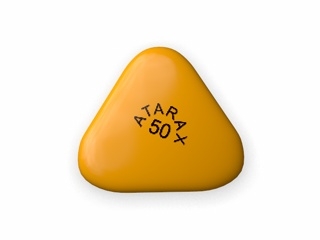
Atarax (Hydroxyzine): Patient-Friendly Medication Guide – Australia
Basic Product Information
| Active ingredient (INN) | Hydroxyzine hydrochloride |
|---|---|
| Brand names in Australia | Atarax, Ucerax |
| ATC code | N05BB01 |
| Available forms & strengths | Tablets: 10 mg, 25 mg; Oral solution: 10 mg/5 ml |
| Australian manufacturers | UCB Pharma, Generic Health, other registered sponsors |
| Prescription status | Prescription-only, Schedule 4 (S4) medicine |
Mechanism of Action
Simple explanation: Atarax (hydroxyzine) is an antihistamine. It works by blocking the effects of histamine, a substance in your body that causes allergy symptoms like itching or hives. It also acts as a sedative to help calm anxiety, tension, and help with sleep.
For healthcare professionals: Hydroxyzine is a first-generation H1 receptor antagonist with anticholinergic and sedative properties. It does not significantly depress the cerebral cortex but exerts its sedative action via suppression of activity in certain subcortical regions of the CNS. It is not a benzodiazepine nor a barbiturate, but it has affinity for muscarinic, serotonergic and dopaminergic receptors.
Pharmacokinetics
- Absorption: Rapidly and well-absorbed when taken orally; peak plasma concentrations within 2 hours.
- Metabolism: Extensively metabolised in the liver; main metabolite is cetirizine.
- Elimination: Excreted mainly in urine; average elimination half-life is about 20–25 hours in adults, longer in the elderly and those with liver impairment.
- Duration of action: Sedative and anti-histaminic effects typically last 4–6 hours, sometimes longer with higher doses or in sensitive individuals.
Use in Everyday Life and Best Practices
- Common uses: Control of itching due to allergies (pruritus), management of anxiety and tension, short-term treatment of sleep disorders, and as a premedication before surgery.
- Typical adult dose for itching/allergies: 25–50 mg at night or in divided doses (up to 100 mg daily).
- Anxiety treatment: 50–100 mg/day in divided doses.
- Paediatric dose: 1–2 mg/kg, maximum single dose 50 mg.
- How to use: Swallow tablets whole with water. The oral solution can be measured with a dosing syringe or spoon.
- Best practice: Take exactly as prescribed by your doctor or pharmacist. Don’t stop or change the dose abruptly.
Dosing: Morning vs Evening
- Evening dosing: Preferred for allergy symptoms or sleep, as sedative effects can help you rest. Usually safer before bedtime to minimise sedation during daily activities.
- Morning dosing: Sometimes used for daytime anxiety or persistent itching, but may cause drowsiness. Avoid driving or operating machinery until you know how you react.
- Tips: Take at the same time(s) each day to build a routine and minimise missed doses.
Taking with Food or on an Empty Stomach
- With food: Food does not significantly alter the absorption or effect of hydroxyzine.
- On an empty stomach: Works equally well; mild stomach upset may occur in a small number of people.
- Australian context: Can be taken with meals or snacks typical in an Australian diet (e.g., toast, fruit, cereal); adjust to your comfort.
Interaction Warnings
| Interaction | Effect/Advice |
|---|---|
| Alcohol | Increases sedation and drowsiness; avoid drinking while on hydroxyzine. |
| Other sedatives (benzodiazepines, opioids) | May cause excessive drowsiness and breathing difficulty; use with caution. |
| Anticholinergic drugs (some antidepressants, antipsychotics) | Increase risk of dry mouth, constipation, urinary retention. |
| Antihypertensives | Possible additive sedation or low blood pressure — monitor closely. |
| QT-prolonging agents (antipsychotics, certain antibiotics) | Risk of serious heart rhythm disturbances — seek pharmacist supervision. |
| Grapefruit juice | No significant interaction documented; can be consumed in moderation. |
Indications
| Indication | Official (TGA) | Off-label/Other |
|---|---|---|
| Allergic skin reactions/pruritus | Yes | Yes |
| Management of anxiety and tension | Yes | Yes |
| Sleep disorders (short term) | No | Yes (off-label) |
| Sedation in perioperative settings | Yes | No |
| Antiemetic (nausea prevention) | No | Rarely |
Dosing According to Indication
| Indication | Adults | Children (6+ years) | Elderly |
|---|---|---|---|
| Itching/allergies | 25–50 mg at night, up to 100 mg/day in divided doses | 1–2 mg/kg/day in divided doses (max single dose 50 mg) | Dosage should be reduced by 50% |
| Anxiety/tension | 50–100 mg/day, divided into 3-4 doses | Not typically used for anxiety in children unless indicated by a doctor | Start at lowest possible dose, titrate slowly |
| Sedation (preoperative) | 50–100 mg single evening dose | 0.6 mg/kg (single dose 30-50 mg evening before) | Adjust dosing as per renal/hepatic function |
Safety Profile & Side Effects
- Common side effects:
- Drowsiness or sleepiness
- Dry mouth
- Headache
- Dizziness
- Upset stomach
- Less common or rare side effects:
- Blurred vision
- Palpitations or fast heart rate
- Confusion, especially in the elderly
- Allergic reactions (rash, swelling, difficulty breathing)
- Seizures (very rare)
- Warnings:
- Avoid driving or operating machinery until you understand your response
- Caution in people with glaucoma, severe liver or kidney disease, and the elderly
- Prolonged use not recommended without a doctor’s review
Guidelines for Proper Use (Australia)
- Follow your doctor’s instructions exactly—do not exceed the prescribed dose.
- Take with or without food; never double dose if you miss a tablet.
- Store in a cool, dry place away from direct sunlight and out of reach of children.
- Return unused medicine to your pharmacy during the National Return & Disposal Program (RUM Project).
- If side effects occur, talk to your pharmacist or doctor—it may be possible to adjust your treatment.
- Do not give to others, even if symptoms are similar.
Alternative Treatment Options
- For Allergies/Pruritus:
- Loratadine (Claratyne) – less sedating; available OTC
- Cetirizine (Zyrtec) – OTC, milder sedation than hydroxyzine
- Desloratadine, fexofenadine – also non-sedating, available OTC
- For Anxiety (short-term):
- Diazepam (prescription only) – higher risk of dependency, use with caution
- Buspirone – non-sedative but slower onset
- Psychological therapies (CBT, mindfulness) – long-term benefit; often combined with or instead of medication
- For Sleep:
- Zopiclone, temazepam (prescription only) – short-term, risk of dependency
- Melatonin (over the counter in Australia for short-term insomnia in adults 55+)
Always consult your doctor or pharmacist before changing medications.
Legal, Registration, and Reimbursement Status in Australia
- Classified as Schedule 4 (S4) prescription-only medicine under the Poisons Standard.
- Registered with the Therapeutic Goods Administration (TGA AUSTRALIA).
- Listed by the Pharmaceutical Benefits Scheme (PBS) for some allergy indications; check current PBS status or ask your pharmacist.
- No professional or driving licence restrictions—but you must not drive if drowsy.
Latest Research and Clinical Guidance
- Hydroxyzine remains a safe and effective option for acute relief of itching and short-term anxiety (see: "Australian Prescriber", Vol. 46, 2023).
- The Royal Australian College of General Practitioners (RACGP) 2024 guidelines recommend non-sedating antihistamines first for allergies, reserving hydroxyzine for moderate to severe cases or short-term adjunct therapy.
- Caution advised in elderly (start low, go slow) due to increased falls risk (Therapeutic Guidelines, Dermatology, 2023 Edition).
- Limited long-term safety data for use in anxiety; should be reviewed regularly by a prescriber (“Hydroxyzine: updated clinical guidance”, MJA, 2023).
Availability and Delivery
| Pack Size | Form | Indicative Price (AUD) | Availability | Delivery time (business days) |
|---|---|---|---|---|
| 25 | Tablets, 25 mg | $13–$18 | Most major pharmacies (Chemist Warehouse, Priceline) | Sydney: 1–2, Melbourne: 1–2, Brisbane: 2–3, Perth: 3–5, Adelaide: 2–3 |
| 50 | Tablets, 10 mg | $18–$28 | Major online and hospital pharmacies | National: 3–5; rural/remote: 5–7 |
| 150 ml | Oral solution (10 mg/5 ml) | $21–$30 | Selected pharmacies, by order | Major cities: 2–4; rural: up to 7 |
Some pack sizes may be subject to supply interruptions. Ask your pharmacy for availability and current PBS price if eligible.
FAQs: Common Patient Questions
- Can I take Atarax (hydroxyzine) if I am pregnant or breastfeeding?
Hydroxyzine is not recommended during pregnancy, especially in the first trimester, unless advised by your doctor. It passes into breast milk and is usually avoided in breastfeeding. Please consult your GP or obstetrician before use. - How quickly does Atarax start to work?
It is usually absorbed within 30–60 minutes and you may start to feel effects within an hour. Peak effects are within 2 hours. - Can I use Atarax for long-term anxiety or sleep problems?
Atarax is mainly for short-term use. Long-term safety and effectiveness for anxiety or insomnia are uncertain. Your doctor will review your ongoing need at regular intervals. - Is Atarax habit-forming or addictive?
No, Atarax does not cause physical dependence or addiction, but should still be used as prescribed. - Can I drive or operate machinery while taking Atarax?
Atarax can cause drowsiness. Do not drive, cycle, or operate machinery until you know how it affects you.
If you have further questions, speak to your pharmacist or GP—they are here to help keep you safe and comfortable while using your medication.