Triamcinolone: Comprehensive Patient Information for Australia
Basic Product Information
| International Non-Proprietary Name (INN) | Triamcinolone |
|---|---|
| Common Australia Brand Names | Kenacort®, Kenalog®, Aristocort®, Tricortone® |
| ATC Code | D07AB09 (dermatological), A07EA02 (rectal), R01AD11 (nasal), H02AB08 (systemic) |
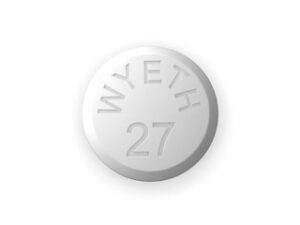
| Available Forms & Strengths | Topical cream/ointment (0.01%–0.1%), nasal spray (55 micrograms/dose), oral paste (0.1%), injectable suspension (10mg/mL, 40mg/mL) |
| Manufacturers in Australia | Bristol-Myers Squibb, Aspen, Ego Pharmaceuticals, Mylan |
| Prescription Status | Prescription Only Medicine (Schedule 4, S4) |
Mechanism of Action
For Patients
Triamcinolone is a corticosteroid, commonly called a “steroid,” that works by reducing inflammation and suppressing the body’s immune response. It helps relieve swelling, redness, itching, and allergic reactions in various conditions — from skin rashes to nasal allergies and arthritis.
For Specialists
Triamcinolone has both glucocorticoid and minimal mineralocorticoid activity. It acts at the cellular level, binding to the glucocorticoid receptor, leading to modulation of transcription of anti-inflammatory proteins, inhibition of pro-inflammatory gene synthesis, reduction in leukocyte migration, and reduced capillary permeability.
Pharmacokinetics
- Absorption: Well-absorbed through the skin (especially when applied to thin or damaged skin), nasal mucosa (~46%), and after intramuscular injection. Oral bioavailability may be lower due to first-pass metabolism.
- Distribution: Widely distributed in body tissues. Plasma protein binding: 68–80%.
- Metabolism: Primarily hepatic (liver), CYP3A4 pathway.
- Elimination: Excreted mostly via urine as metabolites. Half-life: topical/nasal: varies; intramuscular: 18–36 hours; biological effect may last longer.
- Duration of Action: Typically 24–72 hours for injection; 6–24 hours for topical; variable for nasal.
Use in Everyday Life and Best Practices
Triamcinolone can be used for a variety of conditions. In Australia, it’s mainly prescribed for:
- Skin disorders: Eczema, dermatitis, psoriasis (usually topical forms)
- Allergic rhinitis (hayfever): Nasal spray
- Arthritis and joint inflammation: Injection
- Mouth ulcers: Oral paste
Typical Doses:
- Topical (cream/ointment): Apply a thin layer to the affected area 1–2 times daily
- Nasal spray: 2 sprays in each nostril once daily (adult), or as directed
- Mouth paste: Small amount, dabbed onto affected sore 2–3 times daily
- Injection: Dosed individually, commonly 10–40mg for joints, less frequent administration
Dosing in the Morning vs Evening
- Topical: Can be applied morning and/or evening, but try to use at the same times each day for best results.
- Nasal spray: Typically used in the morning to reduce daytime symptoms of allergy.
- Oral/injected: If using regular doses, mornings are preferred to mimic the body’s natural cortisol rhythm and reduce sleep disturbances or adrenal suppression risk.
- Tips: Set reminders on your mobile, or tie dosing to routines (e.g., brushing teeth), especially for chronic conditions.
Taking with Food or on an Empty Stomach
- Topical/Oral Paste/Nasal: Food intake is not relevant.
- Injectable forms: Food is not required, but if you experience stomach upset, try eating beforehand or consult your doctor.
- General Australian dietary context: No specific foods need to be avoided, but maintain a balanced English diet rich in calcium and vitamin D to help counter steroid effects on bone health, especially with long-term or high-dose use.
Interaction Warnings
| Interaction | Details |
|---|---|
| Other medications | CYP3A4 inducers/inhibitors (e.g., some antibiotics, antifungals, anticonvulsants), other corticosteroids, immunosuppressives, NSAIDs (increased stomach risk), oral anticoagulants (may alter effect) |
| Vaccines | Avoid live vaccines (e.g., measles, mumps, yellow fever) while on immunosuppressive doses |
| Food | No pronounced interactions, but maintain good nutrition to offset potential calcium loss or blood sugar changes in diabetes |
| Alcohol | Moderation advised, as high alcohol intake with steroids can increase risk of stomach ulcers |
Indications
| Indication | Formulation | Official/Off-label |
|---|---|---|
| Atopic/Contact Dermatitis, Psoriasis, Lichen Planus, Eczema | Topical | Official |
| Allergic Rhinitis (Hayfever) | Nasal spray | Official |
| Mouth Ulcers (Oral Lichen Planus, Aphthous Stomatitis) | Oral paste | Official |
| Joint & Soft Tissue Inflammation | Injection | Official |
| Asthma Rescue (severe) | Injection | Off-label (specialist use) |
| Other immune-mediated diseases | Any | Off-label (case-by-case) |
Dosing According to Clinical Indications
| Condition | Adults | Children | Elderly |
|---|---|---|---|
| Dermatitis/Eczema | Apply thin layer of 0.02–0.05% ointment/cream 1–2 times daily | Same, but use lowest potency formula & limit duration; avoid for infants unless prescribed | As for adults, but monitor for thinning skin |
| Hayfever | 1–2 sprays per nostril once daily (up to 220 mcg/day) | 1 spray per nostril once daily. Age 6+, dose as directed | As for adults, caution for nosebleeds/dryness |
| Mouth Ulcers | Dab small amount of 0.1% oral paste 2–3 times per day | As prescribed, do not exceed adult dose | As for adults |
| Joint inflammation | Injection: 10–40 mg per site; repeat as needed at intervals | Lower dose (2.5–40 mg depending on size/location/joint) | Same as adults; assess for osteoporosis risk |
Safety Profile & Side Effects
- Common
- Skin: burning, itching, thinning (topical), stretch marks
- Nasal: nosebleeds, sore throat, cough, nasal dryness
- Mouth paste: local irritation, taste disturbance
- Injectable: pain at injection site, temporary flare-up
- Rare but serious
- Suppression of normal cortisol (“adrenal suppression”)
- Eye problems – glaucoma, cataracts (with prolonged use near eyes)
- Serious infection risk (especially on high doses/injections)
- Allergic reactions (rash, swelling, breathing difficulties—seek immediate help)
- Warnings
- Do not use for longer than prescribed or over large areas unless directed
- Report new symptoms or side effects to your doctor or pharmacist
- Monitor children or frail elderly closely for side effects
Guidelines for Proper Use
- Always use the minimum required dose, for the shortest duration necessary.
- Do not cover topical applications with airtight dressings unless instructed.
- For nasal sprays, gently blow your nose before use and avoid spraying directly onto the nasal septum.
- If you forget a dose, use/apply as soon as you remember—do not double-up.
- Keep medication out of reach of young children and avoid eye contact with creams or sprays.
- Ask your pharmacist for a medication review, especially if using with other prescriptions or have medical conditions like diabetes, osteoporosis, or glaucoma.
Alternative Treatment Options
- Hydrocortisone (OTC for mild skin inflammation) – milder, safer for children/face; less potent for resistant eczema
- Betamethasone (stronger corticosteroid cream) – more potent, suited for severe dermatitis/psoriasis but higher risk of thinning skin
- Mometasone furoate (nasal spray, skin) – similar efficacy for allergic rhinitis, often preferred for daily prevention
- Non-steroid topicals (e.g., pimecrolimus, tacrolimus for eczema; antifungal creams for fungal rashes)
- Non-drug therapies – saline rinses (nasal), moisturisers/barrier creams (skin), lifestyle and allergen avoidance (hayfever/eczema)
Pros & Cons: Triamcinolone has intermediate potency and versatility across formulations, making it effective for a wide range of conditions. Alternatives may be milder or stronger, have fewer side effects, or suit specific tissues (e.g., hydrocortisone for eyelids, betamethasone for thick plaques).
Legal, Registration, and Reimbursement Status in Australia
- Legal Classification: Triamcinolone is a Schedule 4 (Prescription Only) medicine in Australia for all forms and strengths.
- Australian Register of Therapeutic Goods (ARTG): All available products are registered with the Therapeutic Goods Administration (TGA).
- Pharmaceutical Benefits Scheme (PBS): Most topical, nasal, and oral paste preparations are reimbursed for listed conditions (e.g., eczema, rhinitis). Injections are covered for indicated uses.
- Prescription Requirements: All use must be supervised by a medical practitioner or specialist pharmacist.
Latest Research and Clinical Guidance (2022–2025)
- Topical corticosteroids remain first-line for moderate-to-severe eczema and psoriasis (Australian Eczema Society, 2023; Dermatology Guidelines, MJA, 2024).
- Nasal triamcinolone sprays continue to have a strong evidence base for allergic rhinitis, with favourable safety, as per “Allergic Rhinitis Management In Australia (ARMA) Consensus Statement 2023.”
- Emerging advice: Prefer the lowest-potency corticosteroid which is still effective, particularly for children and long-term users, with step-down therapy recommended wherever possible (Therapeutic Guidelines Australia, 2024).
- References:
- “Therapeutic Guidelines: Dermatology. 2024.” Therapeutic Guidelines Limited, Australia
- “ARMA Consensus Statement: Allergic Rhinitis. 2023” Australian Society of Clinical Immunology and Allergy
- “Corticosteroids in Oral Medicine (Review).” J Oral Pathol Med, Jan 2024
Availability and Delivery
| Formulation | Pack Sizes | Indicative PBS Price (A$) | Delivery Times (Sydney, Melbourne, Brisbane) |
|---|---|---|---|
| Topical cream (0.02%, 0.05%) | 15g, 30g, 100g | 6–15 | Next business day* |
| Nasal spray | 10mL, 30mL | 14–18 | 1–2 business days |
| Oral paste (0.1%) | 5g, 10g | 8–13 | 1–2 business days |
| Injection | 1x1mL, 5x1mL ampoules | 16–40 | By arrangement/specialist clinic |
*Most metropolitan pharmacies offer same-day or next-business-day delivery; rural/remote areas may require 2–4 business days or more.
Frequently Asked Questions (FAQ)
- Can I use triamcinolone cream on my face?
Triamcinolone cream may be too strong for the delicate skin on your face and can lead to thinning or irritation. Only use on the face if your doctor specifically prescribes it, and always follow their directions closely. - How long can I use triamcinolone nasal spray?
Use for as long as prescribed by your doctor. It’s generally safe for several weeks, but not designed for indefinite use without medical follow-up. If symptoms persist, consult your GP. - Is it safe during pregnancy or breastfeeding?
Short-term use of topical/nasal forms is generally considered safe if clearly needed. Injections and long-term/high-dose use require a careful benefit-risk assessment by your doctor. Always inform your GP or pharmacist if pregnant or breastfeeding. - What should I do if I miss a dose?
Apply or use as soon as you remember. If nearly time for your next dose, skip the missed dose — do not double up. - Are there natural alternatives to triamcinolone?
While some patients find relief with moisturisers, barrier creams, saline nasal sprays, or avoiding known triggers, these typically do not fully replace prescribed steroid treatment in moderate or severe cases. Discuss options with your GP or pharmacist.