
DDAVP (Desmopressin): Patient Information for Australian Healthcare
Basic Product Information
| International Non-proprietary Name (INN) | Desmopressin |
|---|---|
| Australia Brand Names | DDAVP®, Minirin®, Octostim® |
| ATC Code | H01BA02 |
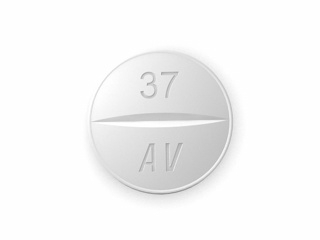
| Available Forms and Strengths |
|
| Manufacturers | Ferring Pharmaceuticals, Sanofi Aventis |
| Prescription Status | Prescription only (Schedule 4, S4) |
Mechanism of Action
For patients: Desmopressin is a man-made hormone similar to the natural hormone vasopressin, which helps your kidneys manage the amount of water in your body. By mimicking this hormone, Desmopressin reduces urination and can help control symptoms where there is too much urine production.
For specialists: Desmopressin acts selectively on V2 receptors in the renal collecting ducts, enhancing water reabsorption. This antidiuretic effect is achieved with minimal vasopressor activity, making it suitable for conditions such as central diabetes insipidus, nocturnal enuresis, and mild to moderate haemophilia A or von Willebrand’s disease.
Pharmacokinetics
- Absorption: Oral bioavailability is low (~0.16%), higher via intranasal (3–5%), and complete with IV injection.
- Time to Peak: Oral: 1-2 hours, nasal: 1 hour.
- Metabolism: Mainly hepatic; some renal metabolism.
- Elimination: Renal clearance of active drug and minor metabolites.
- Duration of action: 6–14 hours (form/dependent).
Use in Everyday Life and Best Practices (Australia Context)
Desmopressin is used for adults and children in Australia as prescribed by your doctor. Best practices include:
- Take at the same time each day for consistency.
- Swallow tablets with water; oral melts can be placed under the tongue without water.
- If using the nasal spray, follow pharmacist/clinic instructions closely to ensure correct dosing.
- Inform your pharmacist of all other medications you are taking.
- Always keep fluid intake within recommended limits to minimise the risk of water retention and low sodium (hyponatraemia).
Dosing in the Morning vs Evening
- Morning dosing: Useful for central diabetes insipidus or day-time symptoms; allows monitoring of side effects during waking hours.
- Evening dosing: Preferred for bedwetting (nocturnal enuresis) or overnight urine control; avoids unnecessary night-time urination.
- Consistency in timing is key for effective symptom management; discuss with your doctor the best schedule for your circumstance.
Tips: Set alarms or reminders, and keep a medication diary, especially for children or elderly patients. Regular review with your healthcare provider is advised.
Taking with Food or on an Empty Stomach
Food may reduce the absorption of Desmopressin tablets and oral melts. For best results, take DDAVP at least one hour before or two hours after meals. Typical Australian meals (high in fibre and grains) can slow absorption, so separating the dose from main meals helps maintain effectiveness.
Interaction Warnings
| Interaction Type | Details & Advice |
|---|---|
| Food | Take on an empty stomach. Large or high fibre meals decrease absorption. |
| Alcohol | Avoid—may increase risk of water retention and hyponatraemia. |
| Medications: SSRIs, tricyclics, NSAIDs, carbamazepine | Some drugs increase risk of low sodium: always review new/additional medicines with your pharmacist or GP. |
| Diuretics | May reduce effectiveness; monitor for dehydration or fluid balance issues. |
| Other | Avoid recreational/illicit drugs affecting ADH or sodium balance. |
Indications
| Official (TGA-approved) | Off-label (specialist/protocol) |
|---|---|
|
|
Dosing According to Clinical Indications
| Indication | Adults | Paediatrics | Elderly (65+) |
|---|---|---|---|
| Central diabetes insipidus | 100–400 mcg orally, 2–3 times daily, titrated to effect | 50–200 mcg orally, 2–3 times daily | Start at lowest effective dose; regular sodium monitoring required |
| Nocturnal enuresis | 200 mcg orally at bedtime (may increase up to 400 mcg) | 200 mcg orally at bedtime (6 years+); review after 3 months | Not typically recommended (risk of hyponatraemia) |
| Haemophilia A / vWD (type 1) | 0.3 mcg/kg IV or subcut, repeat after 12–24 hours if required | 0.3 mcg/kg IV or subcut; suitable specialist supervision required | Use with caution |
| Diagnostic testing | Dose as advised by endocrine/haematology specialist | ||
Safety Profile and Side Effects
| Common | Less Common | Rare/Serious |
|---|---|---|
|
|
|
Warnings: The most important risk is hyponatraemia (low blood sodium) due to drinking too much fluid. Always follow fluid restriction advice, especially in children and the elderly.
Guidelines for Proper Use (Pharmacist/Clinic Advice)
- Take your dose at the same time daily; do not double up if you miss a dose.
- Do not increase or decrease the dose without medical advice.
- Inform your GP or pharmacist if you develop vomiting, diarrhoea, fever, or experience unexpected headaches or confusion.
- Be especially careful with additional fluids in hot weather, strenuous sports, or illness (“sick day rules”).
- Attend all scheduled blood tests and clinic reviews.
- If using nasal spray, store as directed (usually in refrigerator before use); follow priming and cleaning instructions.
Alternative Treatment Options
- Nocturnal enuresis: Bedwetting alarms (often first line, especially children), anticholinergic medicines (e.g., oxybutynin—but more side effects).
- Central diabetes insipidus: Thiazide diuretics (rarely used, less effective), low-salt diet, adequate water.
- Haemophilia A/vWD: Factor VIII or von Willebrand factor replacement therapy (IV; higher cost, used when DDAVP is unsuitable).
Pros of DDAVP: Non-invasive, convenient, effective in many cases.
Cons: Requires careful monitoring of sodium; not suitable for all bleeding disorders.
Legal, Registration, and Reimbursement Status in Australia
- Registered with the Therapeutic Goods Administration (TGA), Australia.
- Prescription Medicine (Schedule 4, S4), available only with valid doctor’s prescription.
- Listed on the Pharmaceutical Benefits Scheme (PBS) for most indications; patient co-payment may apply.
- Some brands and forms may be hospital-only (e.g., Octostim for bleeding disorders).
Latest Research and Clinical Guidance (2022–2025)
- 2024 UK & international consensus (BMJ, ASN): New oral lyophilisate forms provide equivalent efficacy, with better adherence in children and elderly (BMJ 2024).
- Australian Prescriber 2023: Updated guidance for fluid monitoring in older patients; increased awareness of hyponatraemia risk.
- European Society for Paediatric Nephrology 2023: Recommends age-appropriate starting doses; reinforce “sick day” fluid adjustment advice.
- Cochrane Reviews (2022–2025): Confirmed sustained efficacy for bedwetting; suggest alternating with non-pharmacologic interventions for best results.
Availability and Delivery
DDAVP is stocked by most community and hospital pharmacies in Australia. Most patients receive a 30-day supply per prescription pack.
| Pack Size | Form | Indicative PBS Price* | Typical Delivery (business days) |
|---|---|---|---|
| 30 tablets | 200 mcg | $40–$53 (PBS co-payment) | Sydney: 1; Melbourne: 1–2; Brisbane: 1–2; Perth: 2–3; Adelaide: 1–2 |
| 60 melts | 120 mcg | $50–$56 (PBS co-payment) | Sydney: 1; Melbourne: 1–2; Brisbane: 1–2; Perth: 2–3; Adelaide: 1–2 |
| 2.5 mL bottle | Nasal spray | $45–$58 (PBS co-payment) | Sydney: 1; Melbourne: 1–2; Brisbane: 1–2; Perth: 2–3; Adelaide: 1–2 |
*Prices may vary according to pharmacy, dispensing fees, and prescriber details. For emergency or hospital administration, Australian hospital pharmacies have additional stock; delivery to remote/rural regions may require one additional business day.
Frequently Asked Questions (FAQ)
- Q: Can I drink normally while taking Desmopressin?
A: No. You must follow fluid restriction guidelines provided by your doctor or pharmacist to prevent low blood sodium (hyponatraemia). Do not drink more than needed to satisfy thirst, and avoid “just in case” glasses of water. - Q: How soon does Desmopressin start working?
A: The medicine starts to work within 1–2 hours, depending on the form. Maximum effect is usually seen within 6 hours. - Q: What should I do if I miss a dose?
A: Skip the missed dose and take your next dose at your usual time. Do not double up. If unsure, ask your pharmacist. - Q: Is Desmopressin safe for long-term use?
A: Yes, if regularly reviewed and monitored by your doctor. Blood sodium checks are particularly important, especially in children and older adults. - Q: Can children take Desmopressin?
A: Yes, as prescribed from age 6 (for enuresis) and in younger children by specialist instruction for certain medical conditions. Dosing and fluid intake require careful review.
For further information, speak to your GP, pharmacist, or hospital clinic.