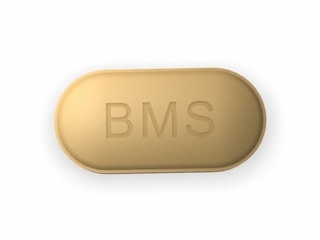
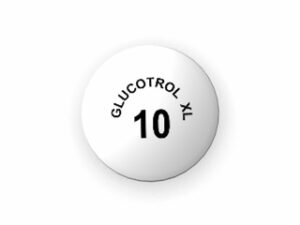
Glucovance® (Metformin/Glyburide) – Comprehensive Patient Information for Australia
Basic Product Information
| International Non-proprietary Names (INN): | Metformin Hydrochloride and Glyburide (also known as Glibenclamide) |
|---|---|
| Australia Brand Names: | Glucovance® (Note: Metformin and Glyburide also available as separate generic medicines in Australia) |
| ATC Code: | A10BD02 (Combinations of oral blood glucose lowering drugs) |
| Available Forms and Strengths: | Film-coated tablets, commonly: 250 mg Metformin/1.25 mg Glyburide, 500 mg/2.5 mg, 500 mg/5 mg |
| Manufacturer: | Sanofi-Aventis and various generic manufacturers |
| Prescription Status: | Prescription Only Medicine (Schedule 4 – S4, Prescription Medicine) |
Mechanism of Action
- In Simple Terms for Patients: Glucovance® helps to lower blood sugar levels in adults with type 2 diabetes (T2DM) by combining two medications:
- Metformin: Makes your body’s cells more sensitive to insulin and decreases the amount of sugar released from your liver.
- Glyburide (Glibenclamide): Helps your pancreas release more insulin after meals.
- For Healthcare Professionals: Metformin acts primarily by reducing hepatic glucose production (gluconeogenesis), increasing peripheral glucose uptake and utilisation. Glyburide stimulates pancreatic beta-cell insulin secretion and may improve insulin sensitivity to a modest extent.
Pharmacokinetics
- Absorption: Both components are well absorbed orally. Peak plasma levels of glyburide are usually reached within 1–2 hours, and metformin within 2–3 hours after ingestion.
- Metabolism: Glyburide is metabolised by the liver (CYP2C9), while metformin is not significantly metabolised and is excreted unchanged in urine.
- Elimination: Glyburide and its metabolites are excreted in urine and bile. Metformin is eliminated by the kidneys unchanged.
- Duration of Action: Glyburide’s effect generally lasts 12–24 hours. Metformin has a steady effect for up to 12 hours.
Use in Everyday Life and Best Practices
Glucovance® is typically used as part of a broader diabetes management plan, including diet and exercise. Speak with your doctor or pharmacist to agree on a dose and timing that fits your lifestyle and health needs.
- Common Starting Dose: Often 1 tablet (e.g. 250 mg/1.25 mg) once daily with breakfast or the first main meal.
- Titration: The dose is gradually increased to reach your personalised target blood sugar, always under medical supervision. Maximum dose: usually 2000 mg Metformin/20 mg Glyburide
- Swallow Tablets Whole: Do not crush or chew.
- Regular Monitoring: Check your blood glucose as recommended by your health professional.
- Never Substitute or Stop Suddenly: Always consult your pharmacist or doctor before making changes.
Dosing in the Morning vs Evening
- Morning Dosing: Most patients take Glucovance® with breakfast. Advantages include covering post-breakfast glucose spikes, reinforcing a routine, and minimising risk of forgetting a dose.
- Evening Dosing: Less commonly recommended unless prescribed, as the risk of overnight hypoglycaemia (low blood sugar) increases.
- Tip: Take at the same time each day with a meal for best results.
Taking with Food or on an Empty Stomach
- With Food: Always take Glucovance® with a meal to reduce the chance of stomach upset (from metformin) and avoid low blood sugar (from glyburide). Typical Australian breakfast options like wholegrain toast, cereal, or eggs are suitable.
- On an Empty Stomach: Increases risk of nausea, diarrhoea, or stomach cramps; should be avoided.
- Dietary Tips: Stick to a healthy, balanced Australian diet following NHMRC or Diabetes Australia guidelines: lots of vegetables, whole grains, lean meats, and reduced processed foods and sugars.
Interaction Warnings
| Type | Examples | Potential Problem |
|---|---|---|
| Food | Alcohol (beer, wine, spirits) | Increases risk of lactic acidosis (metformin) and hypoglycaemia (glyburide); limit or avoid alcohol. |
| Medications | Beta-blockers ACE inhibitors NSAIDs (ibuprofen) Corticosteroids Diuretics Others (consult your pharmacist) | Some may increase or decrease blood glucose levels, increase risk of side effects, or affect kidney/liver function. Always inform healthcare providers of all medicines and supplements you take. |
| Lifestyle | Fasting, intensive exercise, low-carb diets | Can increase risk of hypoglycaemia. Consult your healthcare professional before major changes. |
Indications
| Indication | Status | Notes |
|---|---|---|
| Type 2 Diabetes Mellitus (T2DM) in Adults | Official (ARTG registered) | Not adequately managed by metformin or sulfonylurea alone and lifestyle changes |
| Polycystic Ovary Syndrome (PCOS) | Off-label | Rarely used; metformin alone more common |
| Other forms of diabetes | Not indicated | Do not use in type 1 diabetes or diabetic ketoacidosis |
Dosing According to Clinical Indication
| Population | Starting Dose | Maintenance/Maximum Dose | Adjustments |
|---|---|---|---|
| Adults (T2DM) | 1 tablet once daily (250 mg/1.25 mg or 500 mg/2.5 mg) | Up to maximum tolerated (usually max 4 tablets/day or as advised) | Titrate upward at intervals of 2+ weeks; regular blood glucose checks |
| Elderly (>65 years) | Lower starting dose | Caution – avoid maximum doses | Monitor renal function closely; increased sensitivity to hypoglycaemia |
| Children | Not recommended | — | Glucovance® is not indicated for anyone under 18 years |
Safety Profile and Side Effects
| Type | Frequency | Examples & Precautions |
|---|---|---|
| Common | 10–20% |
|
| Rare/Serious | <1% |
|
See your doctor/pharmacist promptly if you develop severe stomach pain, vomiting, rapid breathing, confusion, or unexplained tiredness.
Guidelines for Proper Use – Practical Advice
- Maintain regular diabetes reviews as recommended (at least every 3–6 months).
- Maintain hydration, especially in hot/warm Australian climates.
- Discuss sick day management plans with your pharmacist. Have a plan for missed doses and illness.
- Monitor for changes in vision or tingling in your hands/feet. Report promptly.
- Always inform GPs, hospital staff, and pharmacists when starting new medicines, as interactions are possible.
- Wear a 'diabetes' medical ID if travelling or at risk of severe hypoglycaemia.
Alternative Treatment Options in Australia
- Separate Metformin and Sulfonylurea Tablets: Allows flexible dosing and component choice; usually reimbursed by the PBS (Pharmaceutical Benefits Scheme)
- DPP-4 inhibitors (e.g., Sitagliptin, Saxagliptin): Less hypoglycaemia risk, once-daily dosing; can be more expensive
- SGLT2 inhibitors (Empagliflozin, Dapagliflozin): Additional heart/kidney benefit; risk of urinary infections and dehydration
- GLP-1 agonists (Dulaglutide, Semaglutide): Injectable; help weight loss; usually more costly and specialist prescribed
- Insulins: For advanced or difficult-to-control diabetes
Choice of alternative is based on your clinical needs, preferences, risk factors, and PBS coverage.
Legal, Registration, and Reimbursement Status in Australia
- ARTG Registration: Included in the Australian Register of Therapeutic Goods (ARTG)
- Legal Status: Schedule 4 (Prescription Only Medicine)
- PBS (Pharmaceutical Benefits Scheme): PBS reimburses separate metformin and sulfonylurea tablets in most cases; combination products may require Authority approval
- You require a current prescription from your GP, endocrinologist or credentialled diabetes educator
Latest Research and Clinical Guidance (2022–2025)
- Most Australian diabetes guidelines (e.g., RACGP, ADS) now recommend metformin as first-line therapy, with sulfonylureas (like glyburide) as a secondary option when cost, hypoglycaemia risk, or cardiovascular concerns are considered.
- Combination tablet use remains appropriate for some patients whose blood glucose is not controlled by monotherapy (single drug) and who prefer fewer tablets.
- European and American guidelines (ADA 2023, EASD 2023) highlight the rising preference for DPP-4, SGLT2, and GLP-1 drug classes due to lower hypoglycaemia risk and potential heart/kidney protective effects, but cost/access may be a barrier.
- Key research: Severe hypoglycaemia risk is higher with combination tablets versus metformin alone, particularly in elderly and those with changing meal schedules (PMID: 37402984; NEJM 2023; RACGP Guidelines 2024).
Availability and Delivery
| Pack Size | Typical Price (PBS co-payment, 2024) | Delivery Times |
|---|---|---|
| 60 tablets (250 mg/1.25 mg or 500 mg/2.5 mg) | $30–$45 (standard PBS co-payment; concession discounts apply) | Major cities (Sydney, Melbourne, Brisbane): Same day–2 days Regional areas: 2–5 days Rural/remote: up to 10 days |
| 120 tablets (bulk) | $55–$75 | Available with prescription, similar delivery timing |
Frequently Asked Questions (FAQ)
- Is Glucovance® safe to use with my other blood pressure and cholesterol medications?
Usually yes, but always inform your pharmacist or GP of all your current prescriptions, as some drugs can increase the risk of hypoglycaemia or affect kidney/liver function. - What should I do if I miss a dose?
Take it as soon as you remember, unless it is almost time for your next dose. Do not double up. If in doubt, ask your pharmacist for advice. - Can I drink alcohol while taking Glucovance®?
Alcohol should be limited or avoided, as it increases the risk of dangerous low blood sugar and lactic acidosis, especially with metformin-containing medicines. - Are there any foods I must avoid?
Not specifically, but follow a healthy, balanced diet and avoid missing meals to reduce hypoglycaemia risk. - Is Glucovance® suitable for women who are pregnant or breastfeeding?
Glucovance® is not recommended in pregnancy or during breastfeeding; consult your doctor for safer alternatives if planning pregnancy or already pregnant.
For more information: Always consult your community pharmacist, diabetes educator, or general practitioner for personalised advice about diabetes management and your medicine.