
Glucophage (Metformin): Comprehensive Patient Guide for Australia
Basic Product Information
| International Nonproprietary Name (INN) | Metformin |
|---|---|
| Common Australia Brand Names | Glucophage, Diabex, Diaformin, Formet, Metex |
| Anatomical Therapeutic Chemical (ATC) Code | A10BA02 |
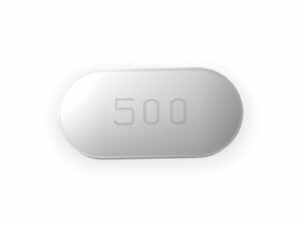
| Available Forms & Strengths | Film-coated tablets: 500 mg, 850 mg, 1000 mg Modified-release tablets (XR/ER): 500 mg, 750 mg, 1000 mg |
| Manufacturers | Merck, Alphapharm, Apotex, Sandoz, generic manufacturers |
| Prescription Status (Australia) | Prescription only medicine (Schedule 4, S4) |
Mechanism of Action
For Patients: Metformin helps to lower your blood sugar by improving the way your body responds to insulin. It reduces the amount of sugar your liver makes and decreases how much sugar you absorb from food.
For Specialists: Metformin is an oral biguanide antihyperglycaemic agent. It suppresses hepatic gluconeogenesis, increases peripheral insulin sensitivity (primarily through enhanced glucose uptake and utilisation in skeletal muscle), and may also delay intestinal glucose absorption.
Pharmacokinetics
- Absorption: Bioavailability is approximately 50-60% under fasting conditions. Absorption is slower and more prolonged with extended-release (XR/ER) forms.
- Metabolism: Metformin is not extensively metabolised and is excreted unchanged in the urine.
- Elimination: Renal excretion; elimination half-life of approximately 4-8.7 hours.
- Duration of Action: Maintains effect over 24 hours, especially with extended-release tablets.
Use in Everyday Life & Best Practices
- Typical Adult Dose: Initial: 500 mg once or twice daily; can be increased gradually up to maximum 2000–3000 mg daily, depending on indication and tolerance.
- Take tablets with meals to reduce stomach upset. XR/ER are often taken once at evening meal.
- To get the best results, take medication regularly at the same times each day. Missing doses may increase the risk of high blood sugar.
- Metformin is to be used along with a balanced diet, regular physical activity, and weight management (as recommended by your doctor or dietitian).
- Alcohol intake should be minimised, especially binge drinking, due to the risk of lactic acidosis.
Dosing: Morning vs Evening
- Morning dosing: May suit patients with more pronounced morning elevations in blood glucose. More likely with immediate-release tablets.
- Evening dosing: XR/ER forms are often prescribed at night to reduce nighttime liver glucose output and help with fasting blood sugar. Also helps avoid some gastrointestinal side effects for some patients.
- Tip: Take your medication at the same time each day, as advised by your healthcare provider, to maintain stable blood sugar levels.
Taking with Food or on an Empty Stomach
- Always take Metformin with food (main meal or directly after food) to minimise stomach upset, diarrhoea, or nausea.
- Some patients find that foods typical in the English/Australian diet—such as meals rich in starchy vegetables, lean meats, and whole grains—can help ease digestion and reduce side effects.
- Avoid high-fat or spicy meals if you commonly experience gastrointestinal symptoms with Metformin.
Interaction Warnings
| Category | Interaction | Advice |
|---|---|---|
| Alcohol | Increased risk of lactic acidosis, especially with heavy drinking | Keep alcohol minimal; avoid binge or excessive consumption |
| Food | No major food interactions known; food reduces GI side effects | Always take with food |
| Other Medicines | Some blood pressure and heart medications (e.g., ACE inhibitors, diuretics), corticosteroids, contrast agents for scans | Tell your pharmacist/doctor about all medicines you take; extra monitoring may be needed |
| Herbal Supplements | Ginseng, fenugreek may affect blood sugar | Discuss with your healthcare provider |
Indications
| Indication | Status | Notes |
|---|---|---|
| Type 2 diabetes mellitus (T2DM) | Official | First-line oral therapy; can be used alone or in combination |
| Polycystic ovary syndrome (PCOS) | Off-label | Improves insulin sensitivity, ovulation, and menstrual cycles |
| Prediabetes (Impaired glucose tolerance) | Off-label | May be used to delay onset of T2DM in high-risk patients |
| Gestational diabetes | Off-label | Alternative to insulin when diet alone does not suffice |
Dosing According to Clinical Indications
| Indication/Population | Starting Dose | Titration/Maintenance | Maximum Dose |
|---|---|---|---|
| Adults (T2DM) | 500 mg once/twice daily (IR), 500 mg once daily (XR/ER) | Increase by 500 mg weekly as tolerated | 2000–3000 mg/day (divided doses) |
| Elderly (75+ years) | 500 mg once daily | Cautious uptitration; regular kidney monitoring | ~1000–1500 mg/day |
| Adolescents (10–17 years) | 500 mg once daily | Increase cautiously as tolerated | 2000 mg/day |
| PCOS (adults) | 500 mg once daily | Increase as tolerated | 1500–2000 mg/day |
Safety Profile / Side Effects
- Common: Nausea, diarrhoea, abdominal pain, loss of appetite, metallic taste, mild weight loss
- Uncommon: Headache, skin rash, B12 deficiency with long-term use
- Rare but serious: Lactic acidosis (higher risk in kidney impairment, heavy alcohol use, or during dehydration/sepsis)
| Symptom | How Common? | What to Do |
|---|---|---|
| Digestive upset | Very common, especially at start | Take with food, start low and increase slowly |
| B12 deficiency | Occasional, with long-term use | Annual blood tests, take supplements if advised |
| Lactic acidosis | Very rare | Seek urgent help if you have persistent vomiting, rapid breathing, muscle pain, confusion |
Guidelines for Proper Use (Australia Advice)
- Follow your doctor’s instructions carefully.
- Have regular blood sugar and kidney function tests at your GP’s recommendation.
- Store tablets below 25°C, out of reach of children.
- If you are due for surgery, X-ray, or scan using contrast dye, tell your medical team—Metformin may need to be paused.
- Always carry key health information if you are on chronic Metformin therapy, especially if living regionally in Australia.
- Inform your pharmacist if you have any new symptoms, medication, or holiday travel plans; extreme heat and unexpected illness can both affect blood glucose control and kidney function.
Alternative Treatment Options
- Sulfonylureas (e.g., gliclazide): Rapid onset, suitable as add-on but risk of hypoglycaemia, weight gain, not always first choice in overweight/obese.
- DPP-4 inhibitors (e.g., sitagliptin): Oral, weight neutral, low hypoglycaemia risk, higher price, often used if Metformin not tolerated.
- SGLT2 inhibitors (e.g., empagliflozin, dapagliflozin): Weight loss and heart benefits, possible urinary/genital infection risk, good for cardiovascular disease.
- GLP-1 receptor agonists (e.g., semaglutide, dulaglutide): Injectable, considerable weight loss, can be costly, PBS support only for criteria-met people.
- Insulin: Used when oral therapy is insufficient, in pregnancy, or with significant hyperglycaemia.
Comparison overview: Metformin remains the first choice for most Australians with T2DM due to effectiveness, long-term safety, weight neutrality (or potential weight loss), and cost (PBS reimbursement). Newer drugs may offer additional benefits for selected patients.
Legal, Registration, and Reimbursement Status in Australia
- Registered with the Therapeutic Goods Administration (TGA).
- Classified as a Schedule 4 medicine (Prescription Required).
- Funded by the Pharmaceutical Benefits Scheme (PBS) for T2DM and some related conditions.
- PBS subsidy applies in both community pharmacy and hospital settings.
- Not available over the counter; requires a valid Australian prescription.
Latest Research and Clinical Guidance (2022–2025)
- Australian Diabetes Society (2023): Recommends Metformin as first-line oral therapy for type 2 diabetes due to proven cardiovascular safety, glucose-lowering effect, and low risk of hypoglycaemia.
- International Diabetes Federation (2024): Supports use in prediabetes and polycystic ovarian syndrome, especially where lifestyle change alone is insufficient.
- Australian Prescriber (2022): Ongoing monitoring for vitamin B12 deficiency and kidney function is recommended with long-term use.
- Emerging studies: Long-term data confirms a low risk of lactic acidosis when Metformin is used with appropriate kidney monitoring, and ongoing research is exploring broader metabolic and cardiovascular benefits.
Availability and Delivery
- Available Australia-wide in 500 mg, 850 mg, and 1000 mg tablet strengths; ER/XR also widely available.
- Supplied in packs of 30, 60, or 100 tablets (formulation dependent).
- Indicative PBS co-payment: approx. $30 per month for general patients, as low as $7 for concession card holders.
| Major City | Delivery Times (Business Days, Median) |
|---|---|
| Sydney | 1–2 |
| Melbourne | 1–2 |
| Brisbane | 2–4 |
| Perth | 3–5 |
| Adelaide | 1–3 |
| Hobart | 2–4 |
| Darwin | 3–5 |
Frequently Asked Questions (FAQ)
1. Can I drink alcohol while taking Metformin?
Moderate alcohol may be safe for most adults, but heavy or binge drinking can increase your risk of serious problems like lactic acidosis. Always drink only within Australian guidelines and consider avoiding alcohol if you have liver or kidney problems or are feeling unwell.
2. What happens if I miss a dose?
Take the missed dose as soon as you remember, unless it is almost time for your next dose. Never double up doses. Try to take your medicine at the same times each day to help remember.
3. Can Metformin cause low blood sugar?
Metformin on its own rarely causes hypoglycaemia (low blood sugar). However, if you are also taking other diabetes medicines (like sulfonylureas or insulin), your risk is higher.
4. What should I do if I get stomach upset?
Always take Metformin with food. If you have ongoing nausea or diarrhoea, speak to your doctor—your dose may need adjusting or you may benefit from an extended-release brand.
5. Is Metformin safe during pregnancy?
Metformin is sometimes used in pregnancy (such as in gestational diabetes or PCOS), but only under specialist supervision. Discuss any pregnancy plans or concerns with your endocrinologist, GP, or obstetrician.