
Glimepiride: Patient Guide for Australia
Basic Product Information
| International Non-Proprietary Name (INN) | Glimepiride |
|---|---|
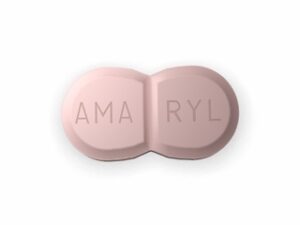
| Common Brand Names in Australia | Amaryl, Dimirel, Aurobindo Glimepiride, Glimaday |
| ATC Code | A10BB12 |
| Available Forms & Strengths | Tablets: 1 mg, 2 mg, 3 mg, 4 mg |
| Manufacturers | Sanofi-Aventis, Aurobindo Pharma, Sandoz, Mylan |
| Prescription Status | Prescription Only Medicine (Schedule 4, Rx) |
Mechanism of Action
For Patients: Glimepiride is a medicine used for lowering blood sugar in adults with type 2 diabetes mellitus. It belongs to a group of drugs known as sulfonylureas. Glimepiride works mainly by helping your pancreas produce more insulin, which is the hormone responsible for controlling blood glucose levels.
For Specialists: Glimepiride selectively stimulates pancreatic beta-cells, enhancing insulin secretion through closure of ATP-sensitive potassium channels, resulting in membrane depolarisation and subsequent opening of voltage-dependent calcium channels. This leads to improved glucose uptake by peripheral tissues. Glimepiride also exhibits extrapancreatic effects, promoting insulin sensitivity in hepatic and muscular tissues.
Pharmacokinetics
- Absorption: Glimepiride is rapidly and almost completely absorbed after oral administration. Peak plasma concentrations are reached within 2-3 hours.
- Metabolism: Extensively metabolised in the liver by CYP2C9 to active metabolites.
- Elimination: Around 60% excreted in urine, 40% in faeces (mainly as metabolites).
- Duration of action: Up to 24 hours per dose, allowing for once-daily dosing.
Use in Everyday Life & Best Practices
Glimepiride is most commonly used as part of a treatment plan for adults with type 2 diabetes, alongside healthy eating and physical activity as recommended by Australian diabetes guidelines (Diabetes Australia). The typical starting dose is 1 mg once daily, which may be adjusted by your doctor based on your blood glucose levels.
- Initial dosing: 1 mg once daily with breakfast or the first main meal.
- Adjustment: Dose increased in 1 mg steps at 1–2 week intervals, up to a maximum of 4 mg (occasionally up to 8 mg in some protocols).
- Regular monitoring: Blood glucose monitoring is essential for safe use.
- Consumption: Swallow whole with water, do not crush or chew.
- Not suitable for: Type 1 diabetes, diabetic ketoacidosis, pregnancy, or lactation.
Always follow your diabetes educator's advice and keep regular appointments with your GP or endocrinologist.
Dosing Timing: Morning vs Evening
- Morning dosing (recommended): Glimepiride is best taken with your first substantial meal (usually breakfast). This helps reduce the risk of low blood sugar (hypoglycaemia) during the day and aligns with typical Australian meal patterns.
- Evening dosing: Usually not advised, as the risk for hypoglycaemia overnight may be higher and patients may miss meals or snacks, increasing risk further.
- Tip: Take glimepiride at the same time each day to help maintain a routine and stable blood sugar control.
Taking with Food vs On an Empty Stomach
Glimepiride should always be taken with food, ideally during or just after breakfast or your first substantial meal of the day. Taking glimepiride on an empty stomach increases the risk of low blood glucose. In Australia, a typical breakfast containing carbohydrates and protein is ideal for medication administration.
- With food: Reduces risk of hypoglycaemia and gastrointestinal discomfort.
- On an empty stomach: Significantly increases chances of low blood sugars, dizziness, and fainting.
Interaction Warnings
| Item | Interaction | Advice |
|---|---|---|
| Alcohol | Increases risk of hypoglycaemia and may mask warning signs. | Limit alcohol or avoid binge drinking. |
| Other diabetes medicines (e.g., metformin, insulin) | Can add to blood sugar-lowering effect. | Close monitoring required; dose adjustments may be needed. |
| Beta-blockers (e.g., metoprolol, atenolol) | May mask hypoglycaemia symptoms (especially rapid pulse). | Monitor blood glucose more closely. |
| NSAIDs (e.g., ibuprofen) | Can increase glucose-lowering effect. | Discuss with your GP if frequent use. |
| Corticosteroids (e.g., prednisone) | May reduce efficacy of glimepiride. | May need dose adjustment; do not stop corticosteroids abruptly. |
| Antibiotics (e.g., sulphonamides, fluoroquinolones) | Some antibiotics may alter blood sugar control. | More frequent monitoring during short courses. |
| Herbal products (e.g., ginseng, St. John's wort) | May interact and affect efficacy or side effects. | Discuss any supplements with your pharmacist or GP. |
- Important: Always inform your healthcare team of any other medications (including over-the-counter and complementary therapies) you are taking.
Indications
| Indication | Status | Description |
|---|---|---|
| Type 2 diabetes mellitus | Official (TGA approved) | For blood glucose control in adults when diet, exercise, and weight reduction alone are insufficient. |
| Monotherapy or combination with metformin | Official | Can be used alone or with other oral agents. |
| Off-label uses | Unapproved | Not generally recommended in Australia. |
Dosing According to Clinical Indications
| Population | Initial Dose | Usual Dose Range | Maximum Dose | Comments |
|---|---|---|---|---|
| Adults | 1 mg once daily | 1–4 mg once daily | 8 mg once daily (occasionally) | Adjust in 1 mg steps every 1–2 weeks based on blood glucose |
| Elderly (>65 years) | Start low, often 1 mg | 1–2 mg | 4 mg | Monitor for hypoglycaemia closely |
| Children | Not recommended | — | — | Insufficient data on safety and efficacy in paediatric patients |
| Renal impairment | 1 mg | Use with caution | Use with caution | May be considered with specialist advice at the lowest dose |
Safety Profile & Side Effects
- Common side effects:
- Hypoglycaemia (low blood sugar) – symptoms include sweating, shakiness, hunger, confusion, and dizziness.
- Weight gain (typically mild).
- Nausea or mild gastrointestinal symptoms.
- Headache.
- Uncommon/Rare side effects:
- Allergic skin reactions (rash, itchiness, rarely severe reactions such as Stevens-Johnson syndrome).
- Changes in blood counts—thrombocytopaenia, leukopaenia (rare).
- Visual disturbances (often at treatment start or with large glucose swings).
- Liver dysfunction or jaundice (extremely rare, report yellowing of skin/eyes promptly).
- Warnings: Hypoglycaemia risk is higher in the elderly, those with irregular meals, increased physical activity, or after alcohol use. Always carry a source of fast-acting glucose (e.g., jelly beans, glucose tablets).
- Emergency: Seek urgent medical attention if signs of severe hypoglycaemia, confusion, fainting, severe rash, or yellowing of the eyes/skin appear.
Guidelines for Proper Use
- Take at the same time each day, preferably with breakfast.
- Never double up a missed dose. If you forget a dose, take it as soon as you remember unless it is almost mealtime for the next dose—then skip the missed dose.
- Continue regular blood glucose monitoring as advised by your diabetes team.
- Discuss any major lifestyle changes (diet, exercise) with your diabetes educator before altering your medication routine.
- Notify your GP or specialist if you experience any side effects or if you become pregnant or intend to breastfeed.
- Keep a record of your medications and doses for hospital staff and emergencies.
Alternative Treatment Options
- Metformin: First-line oral agent, does not cause hypoglycaemia, often used in combination with glimepiride. Pros: Weight neutral/loss. Cons: GI upset, not for use in severe renal dysfunction.
- DPP-4 inhibitors (e.g., sitagliptin, vildagliptin): Oral agents, low hypoglycaemia risk. Cons: Higher cost, less potent reductions in glucose.
- SGLT2 inhibitors (e.g., dapagliflozin, empagliflozin): Also reduce weight and blood pressure, shown to improve cardiovascular outcomes. Cons: Genital/urinary infections, more expensive, avoid in some kidney problems.
- Insulin: Used when oral agents are inadequate or in specific situations. Cons: Must be injected, requires blood glucose monitoring, risk of hypoglycaemia.
- GLP-1 receptor agonists (e.g., dulaglutide, semaglutide): Injectable, weight loss benefits, very effective. Cons: Cost, injectable, can cause nausea.
All these options are listed on the Pharmaceutical Benefits Scheme (PBS) and generally reimbursed in Australia based on clinical criteria.
Legal, Registration & Reimbursement Status in Australia
- Registered with the Therapeutic Goods Administration (TGA), Australia.
- Prescription only (Schedule 4, Rx); requires a script from a registered medical practitioner.
- Supplied under the Pharmaceutical Benefits Scheme (PBS)—eligible patients pay reduced co-pay for covered brands/strengths.
- Reimbursed for official indications only (type 2 diabetes, failure of diet/exercise alone).
- Not permitted for over-the-counter sale.
Latest Research and Clinical Guidance (2022–2025)
Recent Australian and international guidelines, including the 2023 ADS/ADS Standard of Care, maintain that glimepiride may be used in combination with metformin or as monotherapy in some patient groups when newer agents are not suitable or affordable. However, newer diabetes drugs (SGLT2 inhibitors, GLP-1 receptor agonists) are preferred for patients at risk of cardiovascular or renal complications.
Systematic reviews and meta-analyses from 2022–2024 confirm glimepiride effectiveness but emphasise individual risk of hypoglycaemia, especially in the elderly and those with renal impairment (refer: Australian Diabetes Society, NPS MedicineWise for clinical resources).
Availability, Pack Sizes & Delivery
| Pack Size | Strengths | Indicative PBS Price | Delivery Time (Metropolitan/Regional/Rural) |
|---|---|---|---|
| 30 tablets | 1 mg, 2 mg, 3 mg, 4 mg | $10.60–$15 under PBS (co-pay as of 2024) | 1–2 days / 2–4 days / 3–7 days |
| 100 tablets | All strengths | $28–$45 (unsubsidised) | 1–2 days / 2–4 days / 3–7 days |
- Available from all major pharmacies in Australian capital cities (Sydney, Melbourne, Brisbane, Perth, Adelaide, Canberra, Hobart) as well as regional centres. Most pharmacies offer prescription fulfilment and delivery via Australia Post or courier within the timeframes above.
- Home delivery and click-&-collect options are increasingly available.
FAQ: Common Patient Questions
- What should I do if I miss a dose of glimepiride?
If you forget to take your tablet, take it with your next meal unless it is almost time for your next dose. Do not take a double dose. Resume your regular schedule the following day. - Can I drink alcohol while taking glimepiride?
It is safest to limit or avoid alcohol as it can both lower and raise your blood glucose unpredictably, and may also disguise the warning signs of hypoglycaemia. - Will glimepiride cure my diabetes?
No. Glimepiride helps manage blood sugar levels as part of ongoing treatment for type 2 diabetes—it does not cure the condition. Maintaining a healthy lifestyle remains essential. - Can I use glimepiride with other diabetes medicines?
Yes, but always under your doctor’s supervision. It can be combined with other oral medications or insulin. Your risk of low blood sugar may be increased, so regular monitoring is important. - How can I reduce my risk of low blood sugar?
Take your tablet with a meal, eat regular meals and snacks, monitor your blood glucose as advised, and carry a source of fast-acting sugar with you at all times.