Actos (Pioglitazone) – Patient-Friendly Medicine Information for Australia
Basic Product Information
| International Non-proprietary Name (INN) | Pioglitazone |
|---|---|
| Australian Brand Name(s) | Actos, Eglitaz, Pioglitazone Sandoz, Pioglitazone APOTEX |
| ATC Code | A10BG03 |
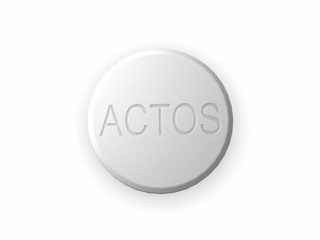
| Available Forms and Strengths | Tablets: 15 mg, 30 mg, 45 mg |
| Manufacturers | Takeda Pharmaceuticals, Sandoz, Apotex, other generic manufacturers |
| Prescription Status | Prescription Only Medicine (Schedule 4, S4) |
Mechanism of Action
In Simple Terms
Actos (pioglitazone) helps lower blood sugar levels in adults with type 2 diabetes. It works by making your body’s cells more sensitive to insulin—a hormone that helps move sugar from your blood into your cells for energy. By improving how your body uses insulin, Actos helps to keep your blood glucose levels in a healthy range.
For Healthcare Professionals
Pioglitazone is a member of the thiazolidinedione class. It acts primarily as a peroxisome proliferator-activated receptor gamma (PPAR-γ) agonist. By activating PPAR-γ, pioglitazone enhances the transcription of insulin-responsive genes involved in the control of glucose and lipid metabolism, thereby improving insulin sensitivity in adipose tissue, muscle, and the liver.
Pharmacokinetics
- Absorption: Rapidly and almost completely absorbed from the gastrointestinal tract after oral administration; peak plasma concentrations in 2 hours.
- Metabolism: Extensively metabolised in the liver via cytochrome P450 enzymes (mainly CYP2C8, to a lesser extent CYP3A4).
- Elimination: Mainly excreted as metabolites via the faeces and urine.
- Duration of Action: Terminal half-life is about 5 to 6 hours; active metabolites have a longer half-life.
Use in Everyday Life and Best Practices
Actos is used to help manage type 2 diabetes in adults, either alone or more commonly in combination with other blood sugar-lowering medicines (such as metformin, sulfonylureas, or insulin). Pioglitazone is not used to treat type 1 diabetes.
- Typical Starting Dose: 15 mg or 30 mg once daily
- Maximum Dose: 45 mg once daily
- How to Use: Take Actos at the same time every day for best results. Swallow tablets whole with a glass of water.
- Who Should Take It: Only adults with type 2 diabetes who have not achieved adequate control through diet, exercise, and/or other medications, as determined by your doctor.
- Monitoring: Regular blood sugar tests and periodic liver function checks are recommended.
Dosing in the Morning vs Evening
- Actos can be taken at any time of day that suits you, but it is important to take it at the same time each day.
- Morning: May be easier to remember as part of your daily routine; may reduce risk of forgetting.
- Evening: Some individuals prefer taking all their medicines in the evening, but discuss with your doctor especially if you take other glucose-lowering medicines.
- Regardless of time, regularity is key to maintaining steady medication levels and blood sugar control.
Taking with Food or on an Empty Stomach
- You can take Actos with or without food. Food does not significantly affect how your body absorbs the medicine.
- If you have a sensitive stomach, taking it with a meal may help prevent mild stomach upset.
- Typical Australian meals—rich in cereals, fruits, vegetables, and dairy—do not affect the effectiveness of Actos.
Interaction Warnings
| Interaction | What to Watch for |
|---|---|
| Alcohol | May increase risk of low blood sugar (hypoglycaemia); drink in moderation and check BGLs more often. |
| Insulin and other antidiabetic medicines | May increase risk of hypoglycaemia; dosage adjustments may be needed. |
| Gemfibrozil | Increases pioglitazone blood levels; monitor for side effects. |
| Rifampicin | Lowers effectiveness by reducing pioglitazone blood levels. |
| Contraceptive pills (certain types) | Pioglitazone may reduce their effectiveness; use additional contraception methods if needed. |
| Herbal supplements (e.g., St. John’s wort) | Can affect medicine levels; discuss all supplements with your doctor/pharmacist. |
Indications
| Indication | Official/Off-label | Notes |
|---|---|---|
| Type 2 diabetes mellitus (adults only) | Approved | Monotherapy or with metformin, sulfonylureas, or insulin |
| Polycystic ovary syndrome (PCOS) | Off-label | Under endocrinologist supervision only |
| Non-alcoholic fatty liver disease (NAFLD) | Off-label | Specialist indication with careful monitoring |
Dosing According to Clinical Indication
| Patient | Typical Dose (per day) | Adjustments |
|---|---|---|
| Adults with type 2 diabetes | 15-30 mg once daily | Increase to 45 mg daily if necessary |
| Elderly | Start low (15 mg) and monitor | Higher risk of fluid retention; titrate with caution |
| Children | Not approved; safety not established | Not recommended |
| Renal impairment | Standard dose; no adjustment required | Use with caution; monitor closely |
| Hepatic impairment | Contraindicated | Do not use if liver dysfunction present |
Safety Profile & Side Effects
Like all medicines, Actos may cause side effects; not everyone will experience them. Many are mild and improve with time.
| Side Effect | Frequency | Advice |
|---|---|---|
| Weight gain | Common | Monitor weight; report unexpected gain |
| Fluid retention (oedema) | Common | Report swelling, especially in legs/ankles |
| Fracture risk (esp. in women) | Common | Bone health monitoring |
| Headache, muscle aches | Occasional | Usually mild; speak to doctor if persistent |
| Bladder cancer | Rare | Seek medical attention for blood in urine/urinary symptoms |
| Heart failure | Rare but serious | Contact doctor if shortness of breath, swelling, weight gain |
| Liver problems | Rare | Report jaundice or persistent nausea |
| Hypoglycaemia | Uncommon unless combined with other antidiabetics | Monitor glucose; carry sugar source if needed |
Guidelines for Proper Use
- Follow your doctor’s instructions and do not adjust the dose yourself.
- Keep to a diet and exercise regime alongside your medication for best results.
- Inform your healthcare team about all other medicines and supplements.
- Take the medicine at the same time every day to help remember.
- If you miss a dose, take it as soon as you remember. Do not double up doses.
- Regularly check your blood glucose and attend all follow-up appointments.
- Report any new or unusual symptoms to your doctor or pharmacist.
- Women: discuss family planning and contraception with your healthcare provider.
Alternative Treatment Options
- Metformin: First-line oral therapy for type 2 diabetes; well tolerated and highly effective; PBS reimbursed.
- SGLT2 inhibitors (e.g., dapagliflozin, empagliflozin): Promote glucose loss in urine; can reduce heart/kidney risk; higher cost.
- DPP-4 inhibitors (e.g., sitagliptin, linagliptin): Raise natural insulin levels after meals; well tolerated; fewer side effects.
- GLP-1 receptor agonists (e.g., semaglutide, dulaglutide): Injectable, support weight loss, proven cardiovascular benefits.
- Insulin: For advanced or poorly controlled cases; effective but increased risk of hypoglycaemia and weight gain.
Your doctor will recommend the most appropriate option for you, usually starting with metformin and adding other agents like pioglitazone, SGLT2 inhibitors, or insulin as required, based on your personal risk factors and needs.
Legal, Registration & Reimbursement Status in Australia
- Registration: Approved by the Therapeutic Goods Administration (TGA), Australia.
- Legal status: Schedule 4 (Prescription Only Medicine, S4); only available from a pharmacy with a valid prescription.
- Reimbursement: Pioglitazone is reimbursed under the Pharmaceutical Benefits Scheme (PBS) for type 2 diabetes not controlled by metformin and/or sulfonylureas.
- Supply: Available throughout Australia via pharmacies; pharmacist must counsel on use and risks.
Latest Research & Clinical Guidance (2022–2025)
- The 2022–2025 consensus by the Australian Diabetes Society (ADS) and Australian guidelines continues to support the use of pioglitazone as an adjunctive agent, especially where insulin resistance predominates or where metformin is not tolerated.
- Recent meta-analyses confirm long-term durability of HbA1c-lowering effect, though monitoring is needed for bone fractures and bladder cancer risk (Curr Opin Endocrinol Diabetes Obes. 2024).
- Pioglitazone is not first-line for weight loss or cardiovascular benefit but may reduce progression of fatty liver disease (hepatosteatosis) (Lancet Gastroenterology 2023).
- Frailty, age, existing heart failure, or a history of bladder cancer are important considerations for prescribing (MJA Clinical Update, 2025).
Availability & Delivery
Prescription required. Popular pack sizes: 28, 56, 90 tablets per pack.
| City/Region | Delivery Time (Standard) | Indicative Price (PBS) |
|---|---|---|
| Sydney | 1–2 days | $6.70 concessional, $30.00 general |
| Melbourne | 1–2 days | $6.70 concessional, $30.00 general |
| Brisbane | 1–3 days | $6.70 concessional, $30.00 general |
| Perth | 2–4 days | $6.70 concessional, $30.00 general |
| Adelaide | 1–2 days | $6.70 concessional, $30.00 general |
| Regional/Rural | 2–6 days | May vary, check with pharmacy |
FAQs
- Can Actos be used with other diabetes medicines?
Yes, Actos is often used alongside metformin, sulfonylureas, DPP-4 inhibitors, SGLT2 inhibitors, or insulin. Your doctor will carefully plan any combinations to minimise risks of low blood sugar or other side effects. - What should I do if I miss a dose?
Take the missed dose as soon as you remember, unless it is close to your next scheduled dose. Do not double the dose. Continue with your regular dosing schedule. - Can Actos cause weight gain?
Yes, some people may gain weight, particularly due to fluid retention. Regular monitoring of weight and checking for swelling is recommended. Speak to your doctor if you are concerned. - Is Actos safe during pregnancy or breastfeeding?
Actos is not recommended during pregnancy or breastfeeding. Women planning pregnancy or currently pregnant should consult their healthcare provider regarding safer alternatives. - Will Actos affect my ability to drive or operate machinery?
Actos alone does not usually affect these abilities, but low blood sugar (if combined with other medicines) may. Be cautious until you know how the medicine affects you.
This information is intended for patients in Australia. Always follow local medical and pharmaceutical advice, and consult your healthcare provider or pharmacist if you have any concerns about your medication.